Babies in Mind: Why the Parent's Mind Matters
Explore how parents and caregivers influence infant mental health, brain development, and a child’s emotional well-being.
894 enrolled on this course

Duration
4 weeksWeekly study
3 hours100% online
How it works
Babies in Mind: Why the Parent's Mind Matters

This course has been certified by the CPD Certification Service as conforming to continuing professional development principles. Find out more.
Understand the impact of early experiences on child development
A child’s development begins long before birth. Knowing how prenatal and postnatal experiences about a baby, starting even in utero, shape brain and emotional growth is crucial for anyone dedicated to supporting healthy child development.
On this four-week course from the University of Oxford in collaboration with AiMH UK, explore how mothers-to-be can connect with their babies and the impact of things like parental anxiety and depression on their development
Discover the ways babies first make sense of the world – and themselves
After a brief course introduction and a look into what babies need in their early environments, you’ll learn how social contexts develop a baby’s understanding of who they are.
You’ll explore attachment theories and how these early connections influence later emotional and cognitive growth.
Go inside the emotional and cognitive mind of a parent
You’ll then examine the impacts of a parent’s cognitive state and emotional well-being on their baby’s development.
You’ll explore how mental health challenges, such as anxiety and depression, affect the parent-child bond and shape a child’s brain, behaviour, and emotional growth.
Understand prenatal influences on a baby’s development
This course also goes into depth about a baby’s development during pregnancy.
You’ll get an overview of foetal programming and its impact on foetal development, which will help you understand the early experiences that shape a child’s physical and emotional foundation.
You’ll also get insight into supportive methods that promote healthy prenatal and postnatal development, empowering you to provide the best care and support during this crucial stage of life.
Syllabus
Week 1
The Social Baby


Introduction to the Course
These steps will help you to understand what the course is about, and how to get the best out of it.

Extreme environments and what we have learned from them
This set of activities examines what we have learned about the importance of the early environment from extreme environments such as orphanages.

The social baby
This part of the course examines what the baby needs from the early environment and why these are important in terms of their developing brain.

Check your understanding
What have you learnt this week?
Week 2
The Social Construction of Self
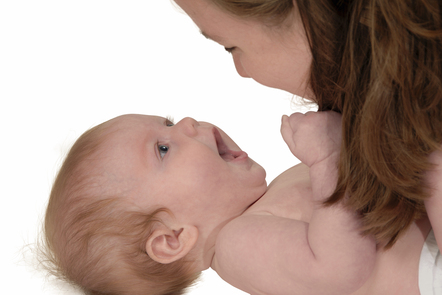
From the constitutional self to the known self
This part of the course examines the development of the infant’s mind and the role of attachment.

The parent's emotional mind
This part of the course examines the way in which the parent's emotional mind impacts on parent-infant interaction and the consequences of this for the infant’s developing mind.

The parent's cognitive mind
This part of the course examines the way in which the parent’s cognitive mind impacts on parent-infant interaction, and the consequences of this in terms of the infant’s developing mind.

Check your understanding
What have you learnt this week?
Week 3
Backwards in Time

Foetal programming
This part of the course examines what is meant by foetal programming and the impact of such programming on foetal development.

Maternal emotional mind in pregnancy
The next set of activities focus on the way in which aspects of the mother's emotional mind, such as anxiety and depression, can impact adversely on the foetus.

The maternal cognitive mind in pregnancy
In this section we explore the way in which aspects of the mother’s cognitive mind such as her mental representations can influence her behaviours post birth.

Check your understanding
What have you learnt this week?
Week 4
Getting it Right from the Start

Supporting pregnant and new parents
This part of the course examines some of the key methods of working during the perinatal period.

Antenatal interventions
The next set of activities examines methods of working to support parents during the antenatal period.

Postnatal interventions
This section examines methods of working to support parents during the postnatal period.

Check your understanding
What have you learnt this week?
Who is this accredited by?
The CPD Certification Service was established in 1996 and is the leading independent CPD accreditation institution operating across industry sectors to complement the CPD policies of professional and academic bodies.
When would you like to start?
Start straight away and join a global classroom of learners. If the course hasn’t started yet you’ll see the future date listed below.
Available now
Learning on this course
On every step of the course you can meet other learners, share your ideas and join in with active discussions in the comments.
What will you achieve?
By the end of the course, you‘ll be able to...
- The key factors in pregnancy and the first 2 years of life that influence the long term development of children
- The mechanisms (both physiological and psychological) by which such factors exert their influence on children’s development
- Some of the key ways of intervening during the pre and postnatal periods to both support optimal child development and also to address some of the problems that parents and infants experience.
Who is the course for?
This course is ideal for parents, caregivers, and professionals supporting families in the early years. Whether you’re interested in infant mental health, child development, or attachment theory, you’ll gain key insights into how early relationships shape a baby’s mind. No prior knowledge is needed.
Who will you learn with?

I am a Professor of Evidence Based Intervention and Policy Evaluation at the University of Oxford. My research focuses on the evaluating the mental health of mothers and babies.
Who developed the course?

Association for Infant Mental Health (AIMH)
Founded in 1996 as a not-for-profit organisation, AiMH UK was the first organisation in the UK to bring together the many different professionals working with infants and their families.

Department of Social Policy and Intervention, University of Oxford
At the Department of Social Policy and Intervention, we are passionate about research excellence and committed to making our society a better and fairer place.
| Unlock nowUpgrade and unlock this entire course now | |||
Ways to learn | Subscribe & save | Buy this course | Start learning today |
|---|---|---|---|
| Choose the best way to learn for you! | $349.99 for one year Automatically renews | $109/one-off payment | Free |
| Develop skills to further your career | Fulfill your current learning need | Try this course - with limits | |
| Access to this course | tick | tick | Limited to 4 weeks |
| Access to 1,000+ courses | tick | cross | cross |
| Learn at your own pace | tick | tick | cross |
| Discuss your learning in comments | tick | tick | tick |
| Certificate when you're eligible | Digital only | Printed and digital | cross |
Cancel for free anytime |
Ways to learn
Choose the best way to learn for you!
Buy this course
$109/one-off payment
Fulfill your current learning need
- Access to this course
- Learn at your own pace
- Discuss your learning in comments
- Printed and digital certificate when you’re eligible
Subscribe & save
$349.99 for one year
Automatically renews
Develop skills to further your career
- Access to this course
- Access to 1,000+ courses
- Learn at your own pace
- Discuss your learning in comments
- Digital certificate when you're eligible
Cancel for free anytime
Start learning today
Free
Try this course - with limits
- Limited to 4 weeks
Find out more about certificates, Unlimited or buying a course (Upgrades) | |||
Find out more about certificates, Unlimited or buying a course (Upgrades)
Learning on FutureLearn
Your learning, your rules
- Courses are split into weeks, activities, and steps to help you keep track of your learning
- Learn through a mix of bite-sized videos, long- and short-form articles, audio, and practical activities
- Stay motivated by using the Progress page to keep track of your step completion and assessment scores
Join a global classroom
- Experience the power of social learning, and get inspired by an international network of learners
- Share ideas with your peers and course educators on every step of the course
- Join the conversation by reading, @ing, liking, bookmarking, and replying to comments from others
Map your progress
- As you work through the course, use notifications and the Progress page to guide your learning
- Whenever you’re ready, mark each step as complete, you’re in control
- Complete 90% of course steps and all of the assessments to earn your certificate
Want to know more about learning on FutureLearn? Using FutureLearn
Get a taste of this course
Find out what this course is like by previewing some of the course steps before you join:
Do you know someone who'd love this course? Tell them about it...
More courses you might like
Learners who joined this course have also enjoyed these courses.



Browse more in Psychology & Mental Health and Healthcare & Medicine
