• Keio University logo
  • British Library
  • University of Cambridge
New

Global Codex: 世界の書物に秘められた物語

世界の貴重な写本や版本を手がかりに、その素材や形から、文化のつながりや違い、そして書物に秘められた物語を探っていきましょう!

Rare and old First edition books are lined up along a bookshelf. They are leather bound and in poor condition.

Global Codex: 世界の書物に秘められた物語

  • 3 weeks

  • 3 hours per week

  • Digital certificate when eligible

  • Open level

Find out more about how to join this course

書物には、文字を超えた物語がある

書物は、単に知識を収めるための器ではありません。

一枚一枚の紙、綴じ目、折り目、挿絵、そして繊維には、その書物を作り、所有し、大切にしてきた人々の手がかりが残されています。そこに書かれた言葉を読む前から、書物そのものが私たちに物語を語りかけているのです。

このコースでは、書物をこれまでとは違った視点から見つめていきます。日本、敦煌(中国)、朝鮮半島、ヨーロッパ、ギリシャ、イスラーム文化圏、東南アジアなど、世界各地の希少な写本や版本を手がかりに、冊子本(コデックス / codex)が文化や時代を越えてどのように伝わり、多様な形に発展してきたのかを探ります。

書物に刻まれた文化を読み解く

まずは、私たちがよく知る「本」という形について考えてみましょう。世界のさまざまな文化の中で、本はどのように生まれ、発展してきたのでしょうか。

8世紀から19世紀にかけて、日本、敦煌、ヨーロッパ、ギリシャ、イスラーム文化圏で作られた書物の製本技術や構造を比較しながら、時代や地域によって異なる本の姿と、その背景にある文化を探ります。

書物に隠された手がかりを見つける

次に、書物の歴史を研究する専門家や図書館員、修復・保存の専門家たちが、写本や貴重書を調査する際に用いる手法を学びます。

綴じ方やページの形と比率、顔料、紙の繊維、再利用された装丁など、書物のさまざまな特徴に注目しながら、その本がどこで作られ、どのように使われ、文化を越えて伝わってきたのかを探ります。

歴史を伝える「モノ」としての書物を体験する

最後に、書物と人々の暮らしが、互いにどのような影響を与えてきたのかを考えます。

蔵書印や書き込入れを手がかりに、書物が人々にとって大切な存在であり続けてきた理由を探ります。また、デジタル技術を活用した観察や、実際に本に触れる感覚的な体験を通じて、過去の人々と書物との関わりをより深く理解していきます。

このコースを終える頃には、きっと今までとは違った目で本を見るようになっているでしょう。

Skip to 0 minutes and 19 seconds Hi everyone, I’m Takahiro Sasaki, and I research the history of Japanese books at Keio University in Japan. I’m Satoko Tokunaga, also from Keio University, and I specialise in European book history. I’m Alessandro Bianchi from Cambridge University Libraries and Archives, and I study Japanese books in relation to the graphic arts. This course explores the history of the codex. It is a collaborative project between the British Library and Keio University with contributions from colleagues at Cambridge University.

Skip to 0 minutes and 54 seconds Moving beyond East Asia and Europe, the course offers a broader perspective on the codex across various cultures. Can you guess where we are standing now? We are here at the Mogao Caves in Dunhuang, in northwestern China. You may have heard of the “Dunhuang documents.” This is the very place where seventy thousands of written materials were discovered in 1900. In my research I have come to realize that although Japan adopted Chinese characters, the physical form, the binding methods and even the shape of the book are sometimes different. Yet among the Dunhuang documents produced more than a thousand years ago, we find examples whose structure and form closely resemble Japanese codices.

Skip to 1 minute and 53 seconds Where, then, do these books, preserved in Dunhuang like a time capsule, have their origins? Dunhuang was one of the key oasis towns on the Silk Road, which linked China to Central Asia as well as to regions of West Asia. As a trading hub, it was a vibrant and lively place where cultural exchanges flourished. The Dunhuang documents that have been passed down to the present include texts written in a range of languages and scripts. As physical objects, they display a variety of forms —not only scrolls and folded books, but also gatherings of leaves bound together. The codex has a history of more than two thousand years and continues to be an important companion to humanity.

Skip to 2 minutes and 41 seconds Yet its origins and forms remain full of mysteries. Join us, and let’s begin our journey.

Syllabus

  • Week 1

    冊子本とは何か?

    • 書物の謎から始めよう

      冊子本(コデックス)とは、そもそも何なのでしょうか。また、そのページをめくることには、どのような意味があるのでしょうか。壊れやすい構造でありながら、何世紀にもわたって受け継がれてきた日本の伝統的な装訂の謎を探り、その手がかりを朝鮮半島や中国を経て敦煌へとたどっていきます。

    • 冊子本の世界:敦煌からの手がかり

      このセクションでは、敦煌文献に注目します。その発見の経緯や、大英図書館所蔵の写本に見られる装訂、日本の冊子本との比較を通じて、装訂の技術が文化圏を越えてどのように伝わってきたのかを探ります。

    • 冊子本の世界:さまざまな地域の装訂

      視野を中世ヨーロッパ、ギリシア世界、イスラーム文化圏へと広げ、中世の聖書などを例に、それぞれの地域における冊子本の装訂を調べます。冊子本という共通の形式が、各地の伝統によってどのように独自の発展を遂げてきたのかを探ります。

    • 第1週のまとめ

      第1週の締めくくりとして、皆さん自身が所有する冊子本を紹介し合いながら、日本から敦煌、さらにその先の地域まで、これまでに学んだ内容を振り返ります。

  • Week 2

    書物は語る

    • 冊子本の形を探る

      冊子本には、どのような形があるのでしょうか。中国、朝鮮半島、日本の冊子本の縦横比を比較し、敦煌から東南アジアに至る地域の正方形や横長の書物を探るとともに、その他のさまざまな冊子本の形についても見ていきます。

    • 紙と書物の関係

      紙のサイズは、書物の形態にどのような影響を与えてきたのでしょうか。日本の冊子本とヨーロッパの版本や中世写本を比較した後、2人の紙の専門家による日本の書物の調査を見ていきます。

    • 書物に隠された痕跡

      さまざまな文化圏で書物の表紙がどのように作られてきたのか、また、その内部に見られる反故紙について調べます。「グーテンベルク聖書」の断簡など、表紙の中に隠されていた驚くべき発見や、時には貴重な資料となるものについても紹介します。

    • 挿絵と顔料の世界

      書物の色彩や絵柄に目を向け、日本の絵入り本や中世ヨーロッパの彩飾写本を探ります。さらに、日本の書物に用いられた顔料を調べ、ヨーロッパで使われていた顔料との比較を行います。

    • 第2週のまとめ

      第2週の締めくくりとして、これまでに学んだ内容を振り返るディスカッションを行います。その後、冊子本の形から表紙、顔料に至るまで、今週の重要なポイントをまとめます。

  • Week 3

    人と冊子本

    • 本を所有する喜び

      書物を所有する喜びと、読者がどのように自分だけの一冊に仕立ててきたのかを、収集家ウジェーヌ・ジレの事例を通して探ります。そのうえで、皆さん自身がどのように書物に自分らしさを加えているのかを考えます。

    • 書物研究のさまざまなアプローチ

      中世写本の断簡をデジタル技術でに復元する手法、統計的写本学、AIを活用した紙の経年変化の分析を通じて、研究者たちが書物の起源をどのように解き明かしているのかを探ります

    • 五感で味わう書物の世界

      書物のタンジブルなオブジェクトとしての側面に注目します。ページをめくる喜び、紙の種類によって異なる音、「グーテンベルク聖書」の音や重さ、そして装訂や読み手が触って動かせる本に触れる体験を通じて、書物がもたらす多様な物語を探ります。

    • 学びの旅を振り返る

      講座の締めくくりとして、書物の中に幾重にも積み重なった歴史と、人間と冊子本(コデックス)の関係について振り返ります。そして、書物をめぐる私たちの旅を締めくくります。

When would you like to start?

Start straight away and join a global classroom of learners. If the course hasn’t started yet you’ll see the future date listed below.

Learning on this course

On every step of the course you can meet other learners, share your ideas and join in with active discussions in the comments.

What will you achieve?

By the end of the course, you‘ll be able to...

  • 冊子本(codex)という書物の形態が、歴史の中でどのように発展してきたのか、その意義とともに説明できる。
  • さまざまな文化圏の冊子本について、形状や構造の主な特徴を、適切な専門用語を用いて説明できる。
  • 異なる文化や時代における冊子本の製本技術や構造を比較できる。
  • 書物を歴史的資料として注意深く観察し、その特徴を分析できる。
  • 書物から、文化間の交流や世界各地のつながりについて何が読み取れるのかを考察できる。

Who is the course for?

このコースは、書物の歴史、写本、貴重書、物質文化に関心のあるすべての方を対象としています。

特に、図書館員、アーキビスト、学芸員・保存修復専門家・研究者などの博物館関係者、デザイナー、人文科学やデジタル・ヒューマニティーズを学ぶ学生・専門家、収集家、出版関係者、そして書物を通じて、それを生み出した社会の歴史を知りたいと考えるすべての方におすすめです。

謝辞

このコースは、慶應義塾大学、大英図書館、ケンブリッジ大学が、敦煌研究院の協力を得て共同開発したものです。

Who will you learn with?

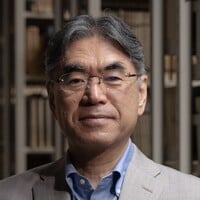
I am a Professor at the Institute of Oriental Classics, Keio University. I am the lead educator for "Japanese Culture Through Rare Books" and "Global Codex: Hidden Stories of Books Across Cultures".

I’m a Professor at Keio University. My research areas include book history and medieval literature. I’m currently exploring the material and tactile dimensions of medieval manuscripts and rare books.

Who developed the course?

Keio University

Keio University is Japan’s first modern institution of higher learning, and since 1858 has established itself as a leader in Japan through its continued commitment to education, research and medicine.

  • Established

    1858
  • Location

    Tokyo, Japan
  • World ranking

    Top 200Source: QS World University Rankings 2021

British Library

The British Library is the national library of the United Kingdom and one of the world’s greatest research libraries.

University of Cambridge

The University of Cambridge contributes to society through the pursuit of excellent education, learning, and research.

Unlock nowUpgrade and unlock this entire course now

Ways to learn

Subscribe & save

Buy this course

Start learning today

Choose the best way to learn for you!

$349.99 for one year

Automatically renews

$54/one-off payment

Free

Develop skills to further your careerFulfill your current learning needTry this course - with limits
Access to this courseticktick

Limited to 3 weeks

Access to 1,000+ coursestickcrosscross
Learn at your own paceticktickcross
Discuss your learning in commentstickticktick
Certificate when you're eligibleDigital onlyPrinted and digitalcross
Continue & Upgrade

Cancel for free anytime

Ways to learn

Choose the best way to learn for you!

Upgrade and unlock this entire course now

Buy this course

$54/one-off payment

Fulfill your current learning need

  • Access to this course
  • Learn at your own pace
  • Discuss your learning in comments
  • Printed and digital certificate when you’re eligible

Subscribe & save

$349.99 for one year

Automatically renews

Develop skills to further your career

  • Access to this course
  • Access to 1,000+ courses
  • Learn at your own pace
  • Discuss your learning in comments
  • Digital certificate when you're eligible

Cancel for free anytime

Start learning today

Free

Try this course - with limits

  • Limited to 3 weeks

Find out more about certificates, Unlimited or buying a course (Upgrades)

Learning on FutureLearn

Your learning, your rules

  • Courses are split into weeks, activities, and steps to help you keep track of your learning
  • Learn through a mix of bite-sized videos, long- and short-form articles, audio, and practical activities
  • Stay motivated by using the Progress page to keep track of your step completion and assessment scores

Join a global classroom

  • Experience the power of social learning, and get inspired by an international network of learners
  • Share ideas with your peers and course educators on every step of the course
  • Join the conversation by reading, @ing, liking, bookmarking, and replying to comments from others

Map your progress

  • As you work through the course, use notifications and the Progress page to guide your learning
  • Whenever you’re ready, mark each step as complete, you’re in control
  • Complete 90% of course steps and all of the assessments to earn your certificate

Want to know more about learning on FutureLearn? Using FutureLearn

Do you know someone who'd love this course? Tell them about it...