
Main Binding Methods 5 - Fukurotoji
Read the article then watch Prof. Sasaki introduce the pouch binding method.
V. Fukurotoji (“bound-pocket” or “pouch” binding)
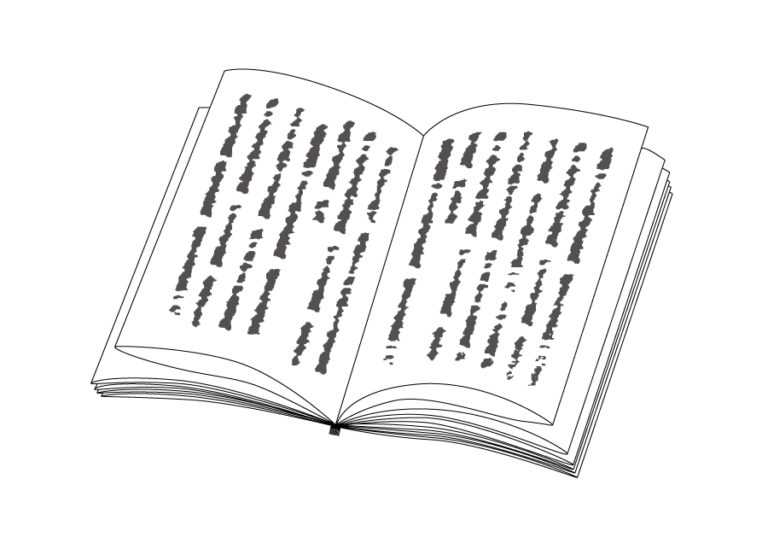 Fig.1 Above: Pouch binding (Unit: * Satsu*)
By far the most popular method in terms of number of books produced is the fukurotoji (variously translated as “bound-pocket,” “stitched,” or “pouch” binding). It was commonly used in China and Korea for printed books, and was known in China as xianzhuang (J. sensō). The sheets are folded “mountain fold” in two, placed on top of each other, and fastened using koyori paper strips. Covers are then added and everything is bound together with thread. (See below)
 Fig.2 Example of Fukurotoji: Heike Monogatari.
Click to take a closer look
Only one side of the paper was used, so it is usually very thin. Early books bound using this method were often made with pre-used paper (such as letters), by writing on the “clean” side.(See below)
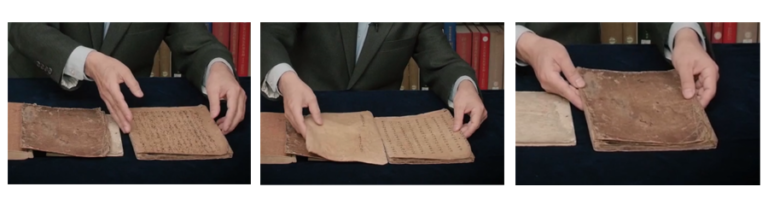 Fig.3 Example of Fukurotoji: Chōrokubumi.
Click to take a closer look
The oldest examples date from the 13th century, but it came into widespread use from the 15th century onward as a simpler alternative to the tetsuyōsō method. With the rise of commercial publishing in the 17th century, its popularity increased further, and its use now extended to handwritten books as well. Books bound in this style but without a cover are called Karitojibon (“semi-bound” books). (See below)
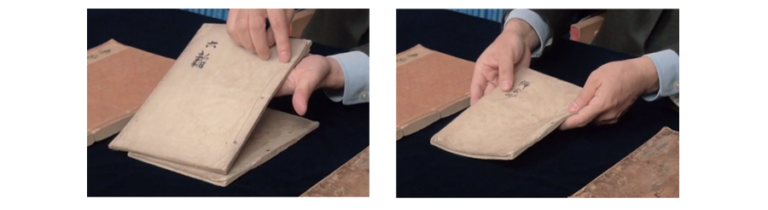 (Left) Fig.4 Example of Fukurotoji: Rikutō Click to take a closer look
(Right) Fig.5 Example of Fukurotoji: Hekianshō Click to take a closer look
A relatively rare variant of the fukurotoji method with the fold at the bottom of the page and the binding on the right-hand side is called nagachō-toji (wide-page binding). (See Below)
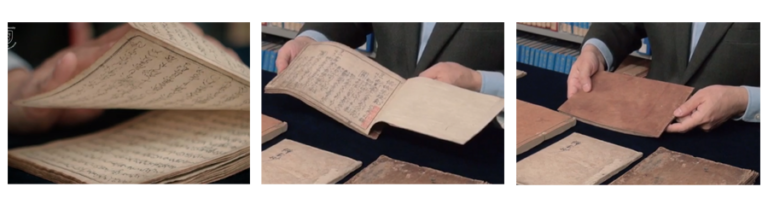 Fig.6 Example of Fukurotoji: Keisei kintanki.
Click to take a closer look
Books bound in the fukurotoji style are counted in satsu (volumes). Some scholars also count tetsuyōsō and detchōsō-style books in “volumes,” but as this can potentially lead to confusion with fukurotoji books, the term jyō is preferable for the former.


