

Skip to 0 minutes and 1 second Every day students are studying history, science, maths, english, arts, and humanities. They’re building knowledge, understanding key concepts, and completing meaningful tasks. At the same time, they’re also developing transferable or durable skills. If a student is working on a history project, they’re not just learning about the topic, they’re researching, analyzing different sources, working with others, and communicating their ideas. We don’t always make that second layer visible. Students complete the task, submit their work, and receive a grade. The learning is there, but much of what students can do remains implicit. So when they need to explain what they can do, whether that’s for subject selection, further study, or applying for jobs, they often fall back on describing what they completed.
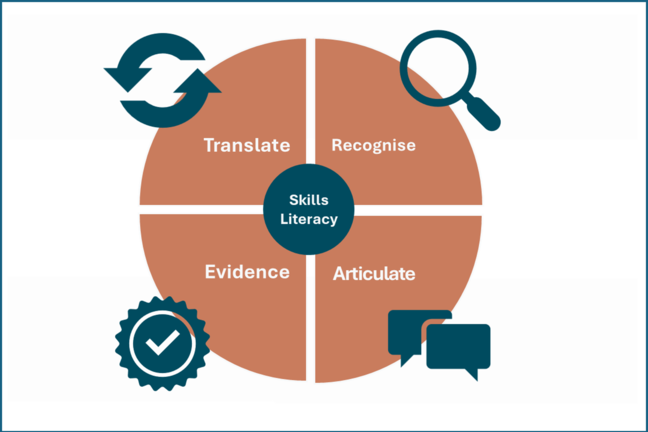
Skip to 0 minutes and 56 seconds This is what we sometimes refer to as the hidden curriculum. Students are developing skills all the time, but they don’t always recognize them or know how to talk about them in a way that others can understand and use. But by supporting students to see the hidden skills. I built a robot. . Becomes I tested different approaches, adjusted what wasn’t working and improved how it worked, and now I’m understanding how to solve problems. The task hasn’t changed, but the skills have been surfaced. That’s the start of skills literacy. Students begin to recognize what they can do, articulate it with more confidence, build evidence, and use their skills across different contexts, across subjects, and beyond school.
Skip to 1 minute and 43 seconds In this course, you’ll explore simple ways to surface the hidden skills all within the curriculum. You are already teach. The skills are there, make them visible. We look forward to seeing you in the course.