
How to manage compromised FPMs: case example
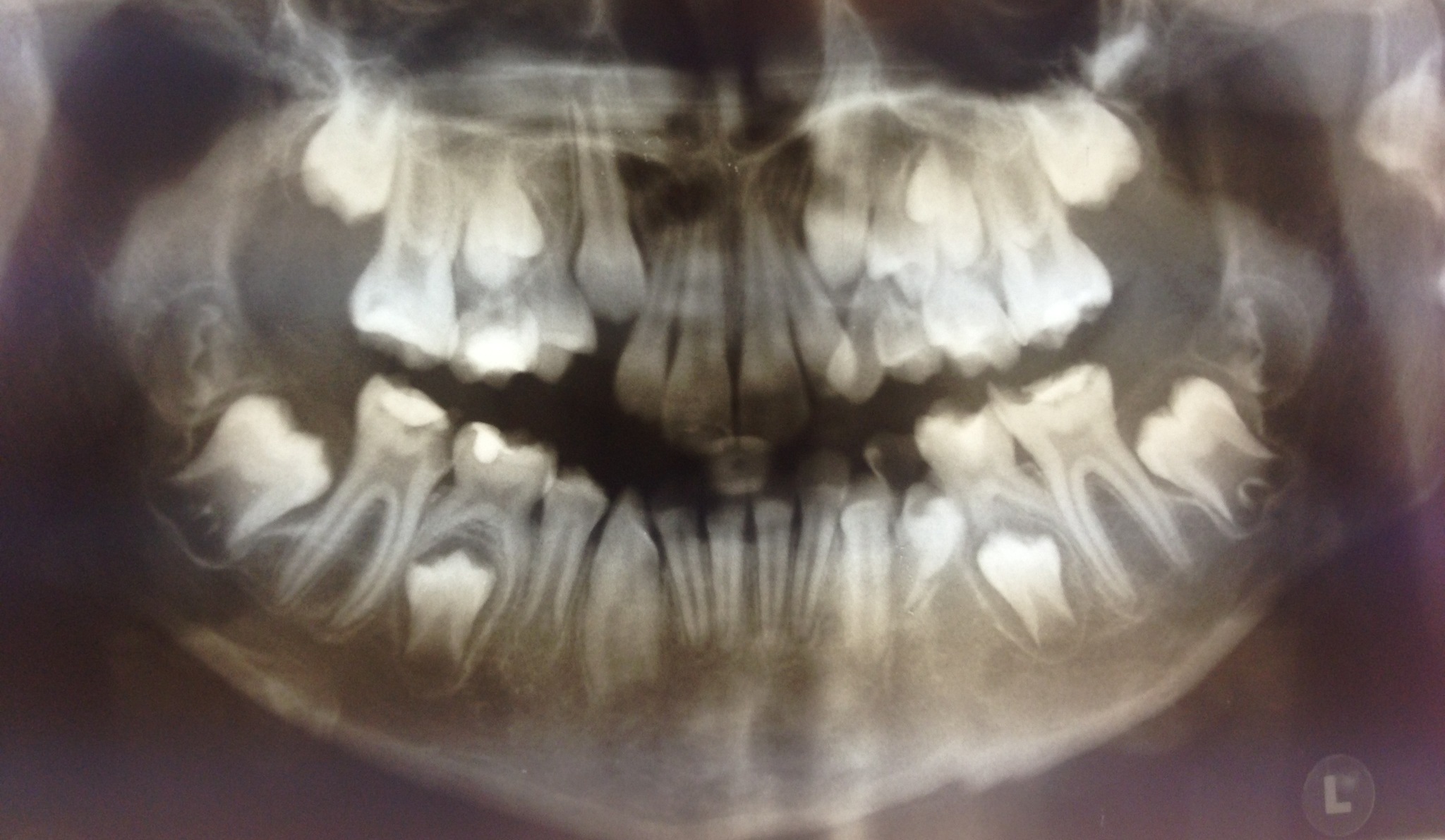
Another week, another case example! Have a look at the radiograph and the information below:
This patient is a 9 year old boy who presents with the following complaints:
Complaining of pain from the lower First Permanent Molar (FPM) teeth, the pain is not affecting his sleep, but sometimes he needs analgesics after eating.
So what does this mean and do we need to worry?
This suggests the patient is having symptoms of pulpitis that we need to address
Medical history
Fit and well child. History of chicken pox at 3 years of age
Social history
Lives with parents and younger sister. Attends mainstream school.
Diet history
Drinks fruit juice and snacks on biscuits daily
Toothbrushing
Two times daily
What other factors from the history might be important?
Clearly we need a full history and examination including assessing the prognosis of the FPMs and assessment of the occlusion. The medical history suggests that chicken pox may be an aetiological factor for MIH. Otherwise the history is relatively clear.
What can you see in the radiograph ?
The patient is in the mixed dentition. All permanent teeth are developing, including the third permanent molars. There is crowding in the upper buccal segments, with insufficient space for the upper permanent canines to erupt. The lower left first premolar is partially erupted and looks ectopic. All of the FPMs have restorations and 36 and 46 show significant post eruptive breakdown and caries. There are restorations in 55, 75 & 85.
What is the likely diagnosis?
MIH affecting the FPMs, with poor prognosis 36 & 46
What’s the plan?
This patient has poor prognosis lower FPMs and crowding. They will benefit from referral to an orthodontist at this stage to discuss options. Option 1 – the patient is crowded and likely to need extractions in the future. We would recommend extraction of the poor prognosis lower FPMs rather than unaffected lower premolars. There are lower third permanent molar teeth developing and the lower second permanent molar teeth are at the angulation and stage of development to consider interceptive extractions. The timing of the extractions will depend on symptoms and orthodontic needs. The upper FPMs have a better prognosis, so can be maintained or extracted as part of an orthodontic plan. Option 2 – Maintain the FPMs if the teeth are restorable. Tooth 46 is close to the pulp and may need indirect pulp therapy or partial pulpotomy before restoration. But you need to consider that the patient is 9 years old – will they be able to keep these teeth long term?
Assessing and Managing Developing Dentition

Assessing and Managing Developing Dentition





