
Assessing the occlusion
Measuring/assessing the occlusion
Determining Angle’s Classification
Patient Preparation
Seat the patient comfortably.
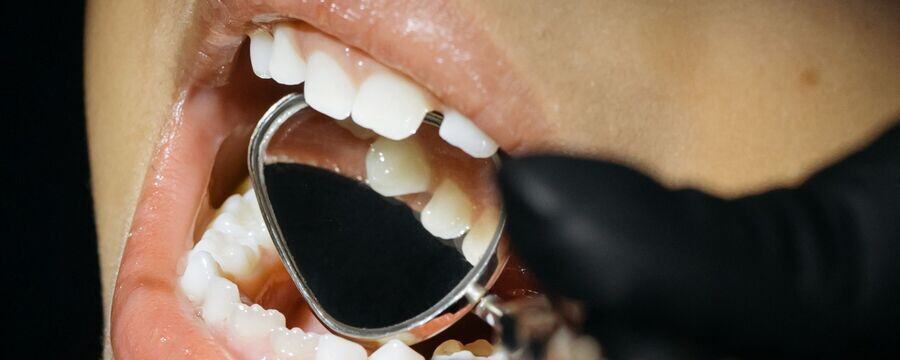
Ensure good lighting and use a mouth mirror if necessary.
Ask the patient to gently close into their centric occlusion (habitual bite)
Identify the Reference Teeth
Focus on the maxillary first molar and the mandibular first molar.
The mesiobuccal cusp of the maxillary first molar is the key landmark.
Assess the Molar Relationship
Observe where the mesiobuccal cusp of the upper first molar occludes relative to the buccal groove of the lower first molar. Classify According to how the mesiobuccal cusp of the upper first molar occludes relative to the buccal groove of the lower first molar.
Class I: Mesiobuccal cusp of upper first molar aligns with buccal groove of lower first molar.
Class II: Mesiobuccal cusp of upper first molar lies anterior (mesial) to buccal groove of lower first molar.
Class III: Mesiobuccal cusp of upper first molar lies posterior (distal) to buccal groove of lower first molar.
Always check both sides of the arch.
Clinical Note: The Canine Relationship While the molars are the primary key, orthodontists also check the Canines.
Class I Canine: The upper canine fits firmly into the wedge between the lower canine and the lower first premolar.
Checking the canines is helpful when the first molars are missing or heavily restored.
Summary
Angle’s classification provides a simple, reproducible framework for describing malocclusion:
Class I: Normal molar relationship
Class II: Upper molar cusp anterior to lower groove
Class III: Upper molar cusp posterior to lower groove
This system remains fundamental in orthodontic diagnosis and communication.
Assessing and Managing Developing Dentition

Assessing and Managing Developing Dentition





