
What is the value of healthier coastal waters?
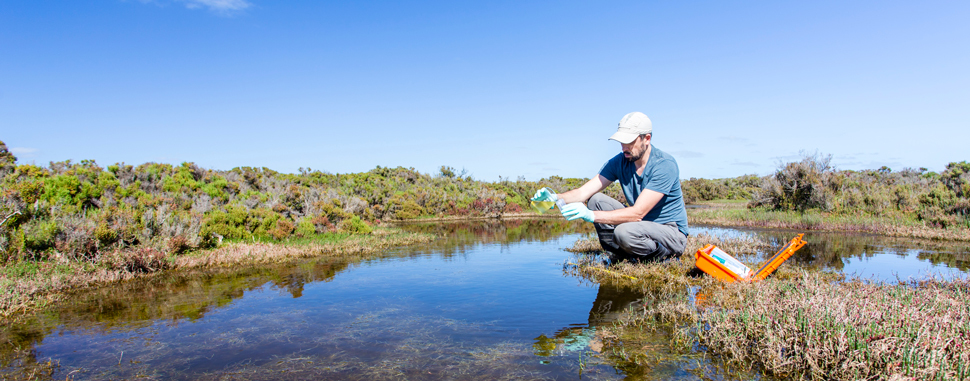
When climate change affects coastal waters, the consequences can extend beyond the environment. Changes in pathogen concentrations may increase people’s exposure to health risks, potentially leading to gastrointestinal illness, wound infections and other health problems.
But how can we understand the value of preventing these health impacts?
Economic valuation can help. It provides a way of estimating the benefits of reducing health linked to changing coastal environments and can support decisions about adaptation measures, public investment and policies.
From environmental change to economic value
Economic valuation is part of a wider pathway linking environmental change to human health:
Environmental change → Exposure → Health outcomes → Economic impacts
For example, changes in pathogen concentrations in coastal waters can affect the exposure of people who swim, work near the coast or consume seafood. Using information about exposure and health risks, researchers can estimate how changes in environmental conditions may lead to more or fewer cases of illness. These health outcomes can then be considered from an economic perspective.
What are the costs of illness?
One approach is known as the cost-of-illness method. This can include costs such as medical treatment, medication, hospital visits and lost productivity when people are unable to work.
However, these costs do not tell the whole story.
Illness can also involve pain, discomfort and anxiety, which do not have a direct market price. People may also change their behaviour to avoid risks. For example, someone might decide not to swim because they are concerned about water quality. They may avoid illness, but they also lose the enjoyment of an activity they would otherwise have chosen.
For this reason, the cost of illness provides only part of the picture.
Looking beyond medical costs
Economists can also consider willingness to pay (WTP): the amount people would be willing to pay for a benefit, such as reducing their risk of illness associated with exposure to pathogens.
Willingness to pay provides a way of capturing the wider benefits of reducing health risks, including improvements in wellbeing that may not appear on a medical bill.
Researchers can estimate this by looking at people’s behaviour and choices, or through carefully designed surveys that ask people to choose between different options.
What does this look like in practice?
BlueAdapt researchers have explored how people value safer coastal waters.
In a study in Poland, participants were asked to consider different bathing sites and policies that varied in factors such as water-quality monitoring, infection risk and cost.
Their choices helped researchers understand the trade-offs people were willing to make. For example, would someone be willing to travel further to a beach with better water-quality monitoring? Would households support a programme that reduced infection risks if it involved an additional cost?
The study also explored whether providing people with more information about pathogens and health risks influenced their preferences.
Why does this matter for adaptation?
Economic valuation can help make the health benefits of adaptation more visible. For example, decision-makers may need to consider investments in improved water-quality monitoring, better communication and warnings, or measures that reduce exposure to pathogens.
By comparing the costs of these measures with their potential benefits, cost-benefit analysis can help assess different options and support decisions about where resources could have the greatest benefit.
Key takeaway
The value of healthier coastal waters goes beyond the cost of treating illness. Economic valuation helps us understand the wider benefits of reducing health risks, associated with changing coastal environment. By connecting changes in pathogens exposure with health outcomes and economic evidence, it can support decisions about how to protect people and coastal communities in a changing climate.
Climate Change, Coastal Waters and Health: Risks and Solutions

Climate Change, Coastal Waters and Health: Risks and Solutions





