
From environmental risk to better health: Putting the evidence into context
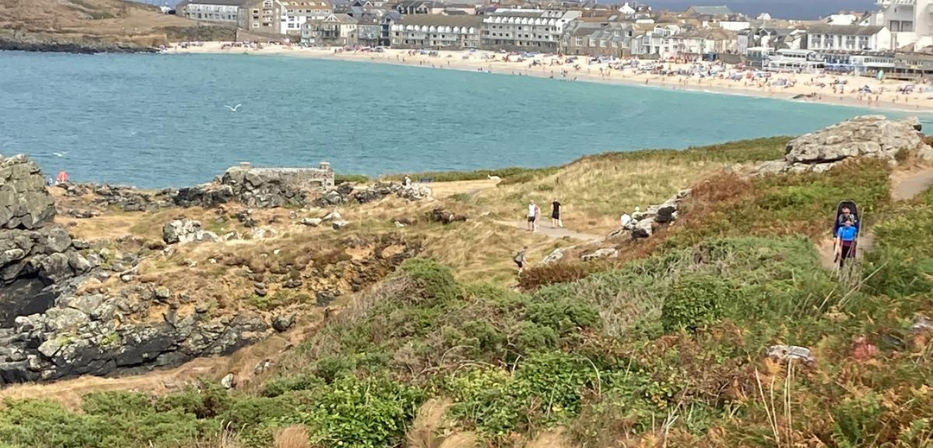
In the previous video, Matt Lloyd Jones explored how existing evidence can be used to estimate the potential health impact of reducing an environmental risk. His example of polluted coastal water showed how researchers can work with epidemiological evidence when it is not possible to study an intervention directly.
But estimating a potential health impact is only one part of the picture. When we use evidence to understand environmental health risks, we also need to think about where that evidence comes from, how certain it is and how relevant it is to the situation we are trying to understand.
What does the evidence tell us?
Studies can help us identify relationships between environmental exposure and health. For example, research involving people who use coastal waters can provide evidence about whether exposure to polluted water is associated with illness. However, an association does not necessarily mean that one factor directly caused the other. Researchers therefore need to consider the design and quality of studies, the populations included and the ways exposure and health outcomes were measured. This is why systematic reviews and meta-analyses can be useful. By bringing together findings from several studies, they can provide a broader picture of the evidence while also helping researchers understand how consistent the findings are.
There is always some uncertainty
Health impact estimates are based on evidence, data and assumptions. This means that they should not be interpreted as precise predictions of what will happen.
For example, people’s behaviour and exposure can vary, environmental conditions can change, and the available studies may not perfectly represent every population or location.
Recognising uncertainty does not make the evidence less useful. Instead, it helps us understand how confident we can be in an estimate and what we still do not know.
From an estimate to a real-world intervention
There is also an important difference between estimating the potential impact of reducing an environmental risk and knowing what a real intervention will achieve.
An intervention may not completely remove an exposure. Its effectiveness may depend on local conditions, how people respond to it and how successfully it is implemented.
This is why Matt’s approach provides a maximum potential health impact, rather than a guarantee of what an intervention will achieve.
Looking at the bigger health picture
Health Impact Assessment can help us take this thinking further.
An intervention designed to reduce one environmental health risk may also have other effects. Some may be positive, while others may be unintended.
For example, coastal environments can expose people to microbial pollution, but they also provide opportunities for recreation, physical activity and wellbeing. An intervention that changes how people use these environments could therefore influence different aspects of health.
HIA helps bring these different considerations together.
It can combine environmental evidence, epidemiological research, exposure information and wider perspectives to explore how a policy or intervention could affect health.
Why this matters for climate adaptation
As climate and environmental conditions change, decision-makers increasingly need to consider not only what health risks may emerge, but also which actions could reduce them and what their wider consequences might be.
The approach discussed by Matt provides one way of using the evidence we already have to explore these questions.
It reminds us that evidence does not have to provide a perfect prediction to be useful. It can help us understand possible impacts, identify uncertainty and make better-informed decisions.
Want to explore this topic further?
Read the full BlueAdapt blog: From climate risks to healthier decisions: What can we learn from the evidence?
The blog explores the topic in more detail, including how Health Impact Assessment can help connect environmental change, health risks and possible actions.
Climate Change, Coastal Waters and Health: Risks and Solutions

Climate Change, Coastal Waters and Health: Risks and Solutions





