
How games evolved through history
You could even say that as long as humans have existed, games have been evolving too. They are not just about passing the time. They are a condensed record of how human civilisation has developed.
If we go right back to prehistoric times, we can already see early forms of play. There was no writing yet, but people might have copied hunting actions with their bodies, or used stones to practise throwing during breaks in hunting and gathering. These games were simple, and the “rules” were mostly based on shared understanding. Even so, they reveal something important about how early humans communicated and expressed meaning.
Then, as societies moved into agriculture, language and symbols made games more systematic and easier to pass on. People began to play games that mirrored everyday labour, such as role-playing farming tasks or using pebbles to practise counting. At that stage, play was closely tied to production and daily life.
Once we reach more developed civilisations, writing changes everything. Take board games, for example. Their purpose is not merely fun. They often reflect how people understood order, structure, and the world itself. The board, the pieces, and the rules all carry traces of the way people thought, and the way society was organised at the time.
Game Design for Beginners: Create Your First Game
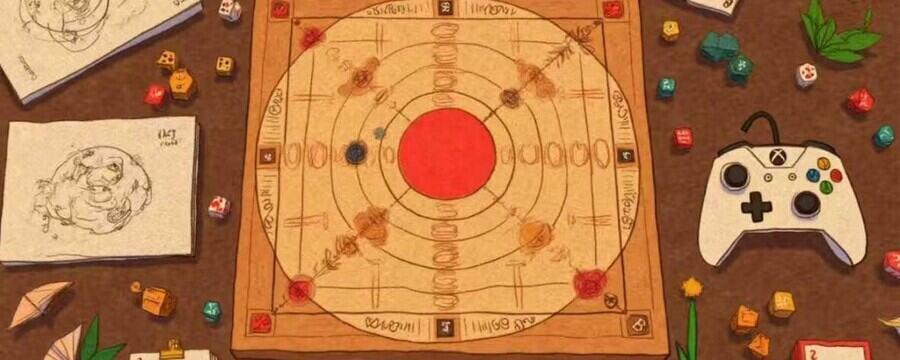

Game Design for Beginners: Create Your First Game





