
Characteristics of Game Experience
The motivations for playing games are often diverse and clear.
From the player’s perspective, we can categorize game experience into four dimensions: Enjoyment, Challenge, Engagement, and Social Interaction. These dimensions not only explain why players choose to keep playing but also provide designers with clearer directions for their design focus.
First, enjoyment. Often, playing games is about organizing information—exploring, categorizing, validating, and constantly adjusting judgments. The process of gradually understanding the rules and the world around them fuels enjoyment. Therefore, enjoyment is not a fixed sense of happiness, but rather an evolving experience. After all, in this world full of possibilities, the best game is often the one that is yet to be created.
Next, challenge. There are many types of challenges in games, and a good challenge resembles an emotional curve—starting with setbacks, followed by intense focus and tension, and culminating in satisfaction when the challenge is overcome. The design goal is not to prevent failure, but to ensure that failure provides clear feedback, helping players understand what they can improve and how they can get closer to success.
Third, engagement, also known as immersion. It’s the process where players continuously confirm their ability to impact the world and assert their presence. A world with reliable details, clear rules, and a rhythm controlled by the player naturally extends the sense of engagement. Overall, engagement is not a singular psychological state, but a process where players continuously affirm their sense of self-efficacy and presence within the virtual world.
Lastly, social interaction. Humans have an inherent need for affiliation, and games provide a low-barrier social space. Games not only connect individuals but also allow players to gain a sense of belonging and identity through relationships. Many games retain players through this sense of connection and shared experience.
Game Design for Beginners: Create Your First Game
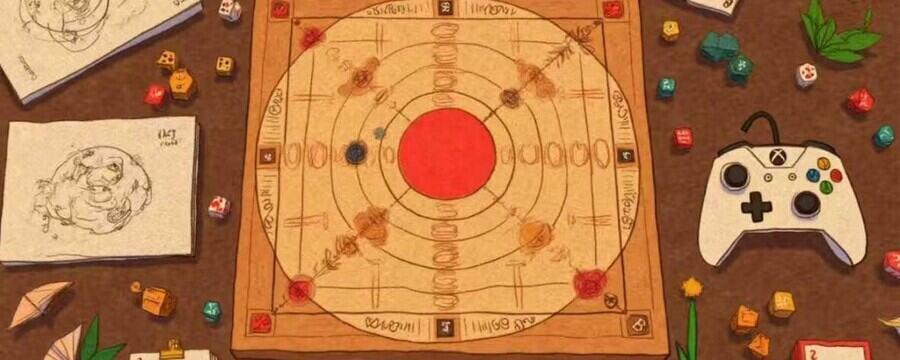

Game Design for Beginners: Create Your First Game





