
A latent horizon
Games are sometimes called the ninth art, not only because they integrate image, sound, narrative, and interaction, but also because they offer a mental space you can enter again and again. Players can step away from their real situation for a time, and also meet themselves again through a different identity and a different set of rules.
The horizon a player sees in a game does not appear out of nowhere. It is generated through a full set of design conditions. Character design shapes the identity through which you enter the world. Narrative structure affects which positions and choices are easier to push forward. The openness of quests and events decides how widely you can test different possibilities.
When a game allows players to switch ways of living, and when the cost of failure is manageable, players become more willing to try, to revise, and to try again. The horizon no longer stays inside the plot. It becomes real through repeated choices.
The “change” here refers to a shift in how players understand the world and the self. Games provide structures that can be acted upon and that respond. Players learn rules through testing and correction, and gradually understand how systems operate. Clear feedback and relatively stable cause and effect make it easier to judge the impact of action and to form a more integrated way of thinking.
Sometimes, this system perspective is carried back into real life. It can make people more inclined to break complex problems apart, to look for conditions and variables, and to focus on what can be adjusted.
Game Design for Beginners: Create Your First Game
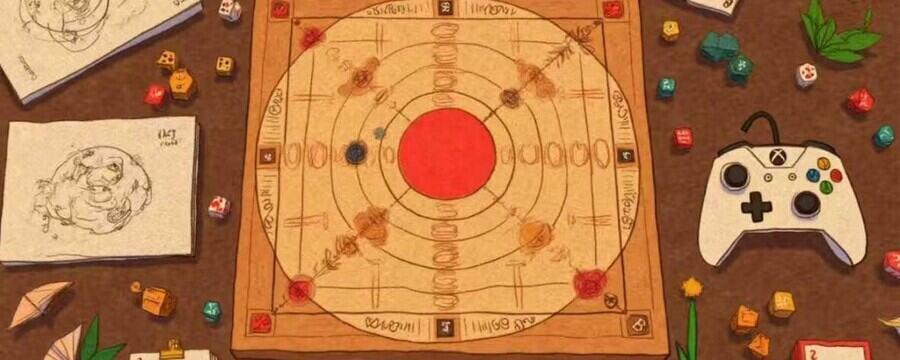

Game Design for Beginners: Create Your First Game





