
Types of Game Experience
This video explains that games are not only forms of entertainment, but also emotional, cultural, and social experiences. It shows how repeated play can influence players’ emotions, habits, relationships, self-perception, and even identity over time.
The video introduces four interconnected layers of player experience: sensory experience, which comes from visuals, sound, and tactile feedback; emotional experience, which connects players to characters, stories, and atmosphere; cognitive experience, which involves problem-solving, strategy, rule interpretation, and reflection; and social experience, which emerges through cooperation, competition, shared goals, and communities.
The video also emphasizes that player experience moves between real life and the virtual game world. As players continue to play, their psychological state may change from curiosity and excitement to deeper attachment, reflection, or even fatigue. For designers, this means game experience should be understood not only as moment-to-moment fun, but as a long-term, human-centered relationship between players and games.
Game Design for Beginners: Create Your First Game
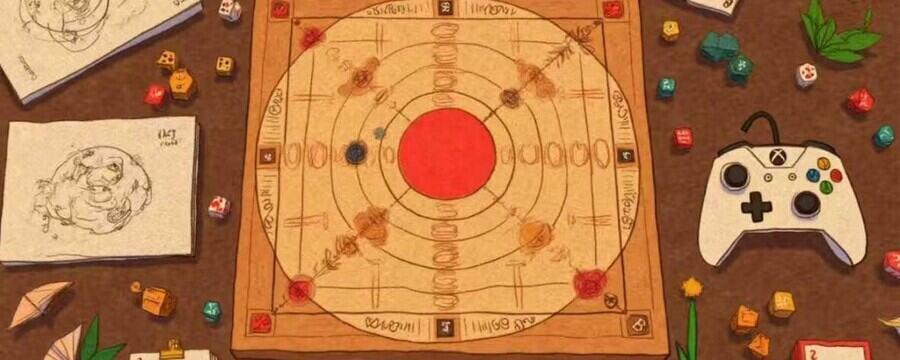

Game Design for Beginners: Create Your First Game


