
How Stories Are Experienced
This video shifts the focus from narrative structure to player experience. It explains that a good game story is not only about what happens, but about how players feel, choose, and act within that story.
The video discusses how narrative can be integrated into game mechanics, pacing, rhythm, and feedback loops. It also explains that different game genres require different storytelling approaches: RPGs often rely on rich characters and long-term emotional investment, while multiplayer games may create stories through real-time decisions, teamwork, and unexpected player interactions.
The main idea is that game narrative should not be treated as a separate layer, but as an interactive experience shaped by story, emotion, mechanics, and player agency.
Game Design for Beginners: Create Your First Game
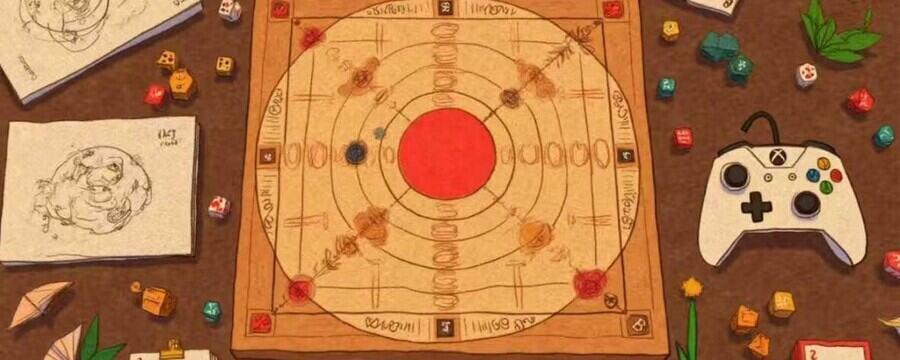

Game Design for Beginners: Create Your First Game


