Galaxy classification in Galaxy Zoo
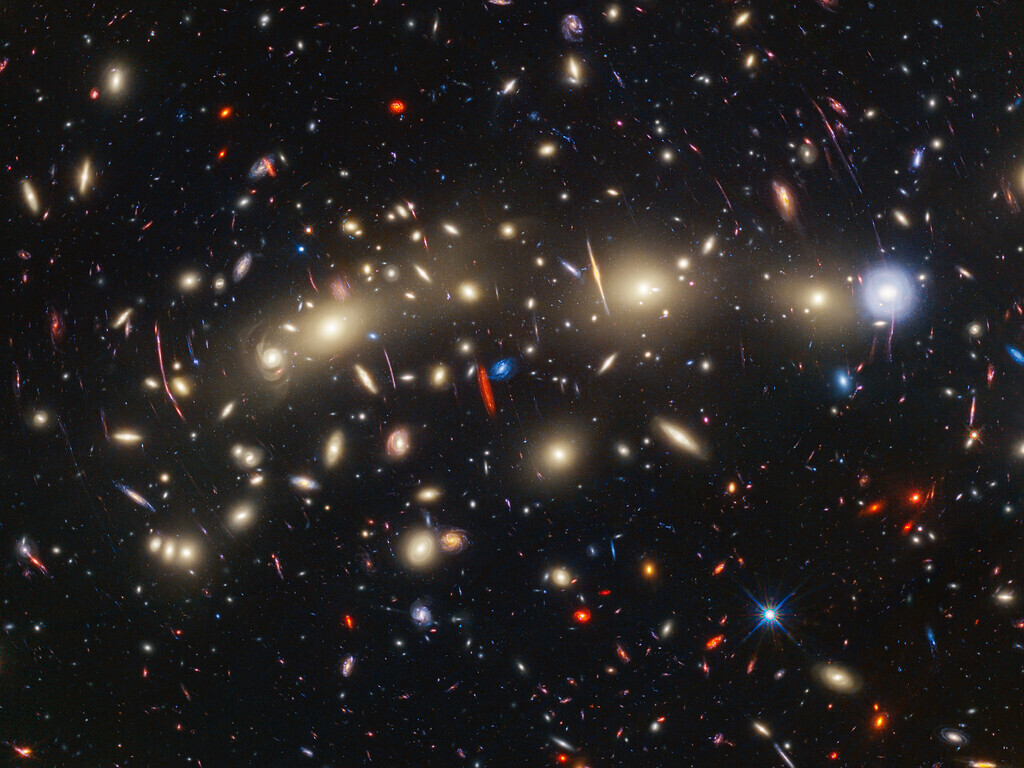
Astronomers have been studying galaxy morphologies over many years. For instance, we found spiral galaxies were bluer and younger than elliptical galaxies.
However, detailed classification of galaxy morphology is still a challenging task. There exist billions of galaxies in the Universe, many of which are too faint for computers to classify. This is one of the few remaining field, where human brain can do better than computers.
In this exercise, you help the astronomers classify them via Galaxy Zoo. Please find and classify three different types of galaxies (e.g., Barred spiral, Spiral, and Elliptical galaxies) based on Hubble’s classification of galaxies, and see how challenging it is.
In the past, a rare important object was found by an amateur astronomer through this exercise.