
Regulatory considerations
Objective: Grow familiar with the regulatory frameworks for natural products.
Natural products are classified depending on their intended use and different regulations apply for different classes of products such as medicinal products, cosmetics, foods and food supplements.
Regulatory considerations can vary by jurisdiction and requirements of regulatory frameworks must be understood in the development of natural products for all markets in which the products are to be sold.
Regulatory frameworks are in place to ensure the safety of products for the public and where products are intended to have a therapeutic effect, there must be evidence to support efficacy. Medicinal natural products must be manufactured according to Good Manufacturing Practices standards to ensure quality.
How are foods and food supplements regulated in Ireland?

The Food Safety Authority of Ireland (FSAI) ensures the safety and quality of food in Ireland for the public. The FSAI develops food safety regulations in line with the European Food Safety Authority (EFSA), European Union directives and national legislation. They ensure that food complies with all legal requirements and are responsible for enforcement through inspections and monitoring programs.
Food product sampling for contaminants and pathogens is carried out. There must be procedures for recalling products if they are found to be unsafe or non-compliant and the FSAI issues food safety alerts and recalls cooperating with international food safety authorities.
The FSAI ensures that food labelling is accurate and not misleading and that health claims on food products are substantiated. Claims must be truthful. Nutrition and health claims are used by businesses when they want to highlight particular beneficial effects of their food products or food supplements, in relation to health and nutrition, on the product label or in its advertising.
The EU Nutrition and Health Claims Register lists all permitted nutrition claims and all authorised and non-authorised health claims. Food businesses should be registered and food supplements should be notified to the FSAI by the manufacturer or by the importer if the product is imported into Ireland. The FSAI provides advice to businesses and consumers.
See https://www.fsai.ie/home for further information.
How are medicine regulated?
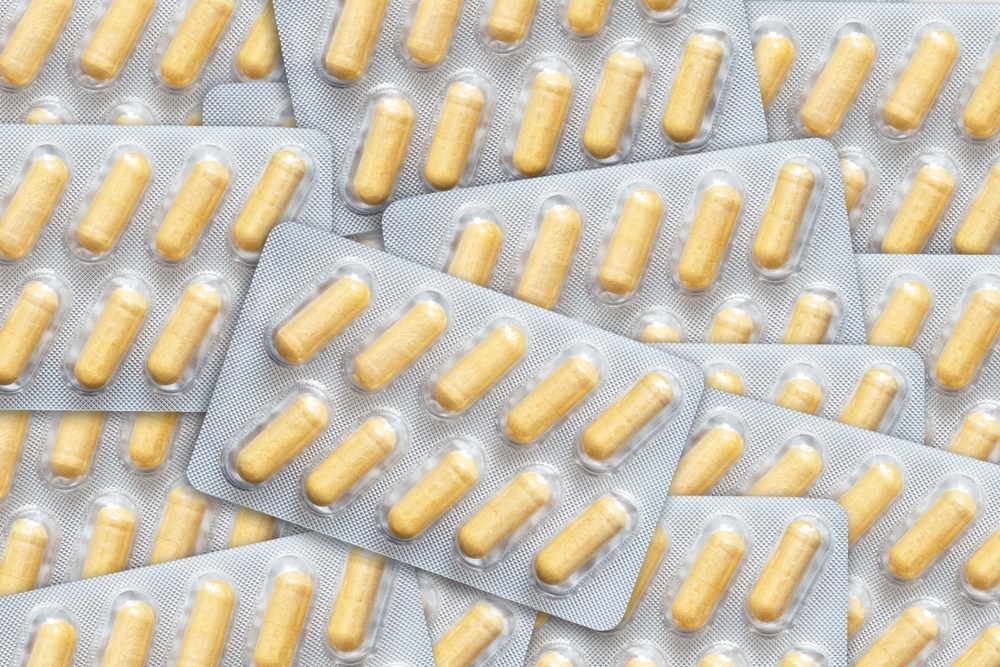
The process to develop a new drug is long and expensive. Generally, the process from lead to marketed drug takes approximately 10 to 15 years and it is estimated that of 10,000 to 20,000 candidate molecules, only one drug will make it to market. Drug candidates that proved promising in pre-clinical studies must demonstrate efficacy in human clinical trials.
Clinical trials for new drugs are divided into phases and each phase is considered a new trial. A phase I clinical trial screens the drug for safety in a small number of people to establish a safe dosage range and identify side effects. In phase II, the dose needed for the desired effect is established and the efficacy of the drug is examined i.e. how well it works.
Phase III trials are carried out with a larger group of trial participants and confirm efficacy and safety and build information on the side effect profile of the drug. Once a drug is successful in these phases, an application can be made to the regulatory authority to market it as a drug for use in the general population.

The competent authority is the Health Products Regulatory Authority (HPRA) in Ireland and the European Medicines Agency (EMA) in the European Union. Applications for new medicinal product authorisations are usually done at EU level for the jurisdiction. In the USA, applications are made to the Food and Drug Administration (FDA), the US regulatory authority.
Newly approved drugs are monitored post-marketing in Phase IV clinical trials. This is important for safety and optimum use of a new drug as we continue to learn more about it. For instance, a side effect that affects 1 in 100,000 people may not occur until Phase IV when the drug has been given to many people.
The risks of taking any drug are weighed against the benefits of taking it. While it is imperative that drugs reaching the market are safe and efficacious, it is also important that systems and processes are such that medicines get to the people who need them as quickly as possible. This was particularly the case for the approval of COVID-19 vaccines in 2020 where pharmaceutical companies and regulatory authorities globally cooperated to expedite the approval process safely.
There is a simplified registration procedure for herbal medicines that have a history of traditional use and are of acceptable safety and quality. These Traditional herbal medicinal products must be suitable for use without medical supervision. Evidence of efficacy of the product is exclusively based upon longstanding use and further clinical data is not required.
Further information on medicines authorisation and Traditional Herbal Medicinal Products registration can be found on the HPRA website.
How are cosmetics regulated?
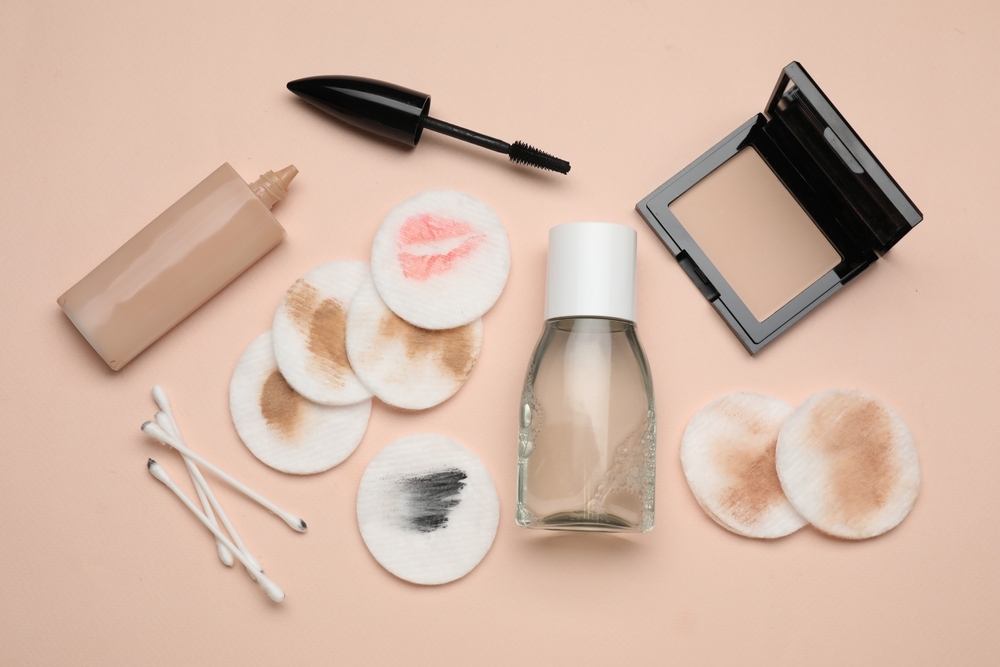
Every cosmetic placed on the market should be safe for use by consumers. In Ireland, the Health Products Regulatory Authority (HPRA) regulate the manufacture, sale and supply of cosmetic products. The safety of cosmetics is of the utmost importance and is monitored principally through post-market surveillance.
Cosmetic products in Ireland must comply with Regulation (EC) No. 1223/2009 on cosmetic products as amended (the Cosmetics Regulation) and S.I. 440 of 2013 European Union (Cosmetics Products) Regulations 2013. Every cosmetic product placed on the market in Europe must meet the requirements set out in this Regulation.
A cosmetic product does not require approval or a licence before being placed on the market. However, every cosmetic product must have a Responsible Person, who ensures the cosmetic is notified to the cosmetic product notification portal (CPNP), is manufactured in accordance with Good Manufacturing Practice and is appropriately labelled. A Product Information File and a Cosmetic Product Safety Report must be prepared and maintained.
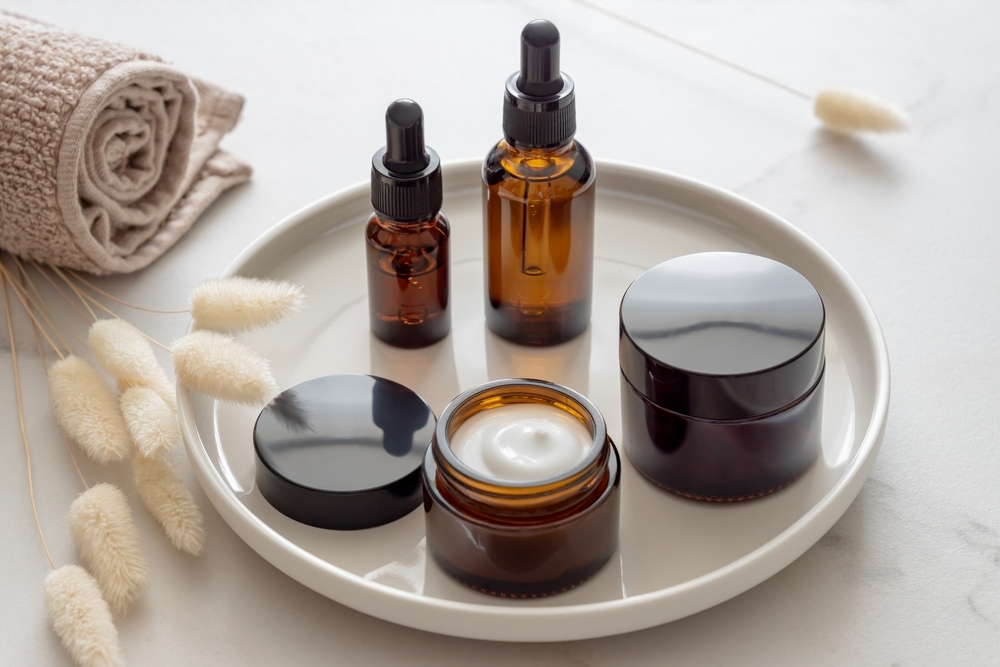
The HPRA provides guidance to individuals, companies and designated Responsible persons on the manufacture or import and placing on the market of cosmetics.
Cosmeceutical is a term used that may give an impression to consumers that a product may offer benefits to health and well-being beyond that expected of a cosmetic. However, this term has no legal basis and there are no requirements for a product to demonstrate such benefit. They should however be registered as cosmetics!
Similarly, nutricosmetics is a term sometimes used to describe supplements that are taken orally and intended to benefit appearance. Again, this term is not an official classification and such products are generally classified as food supplements.
Natural Products: Harnessing Nature’s Resources for a Better World


Natural Products: Harnessing Nature’s Resources for a Better World





