
Zookeepers in action
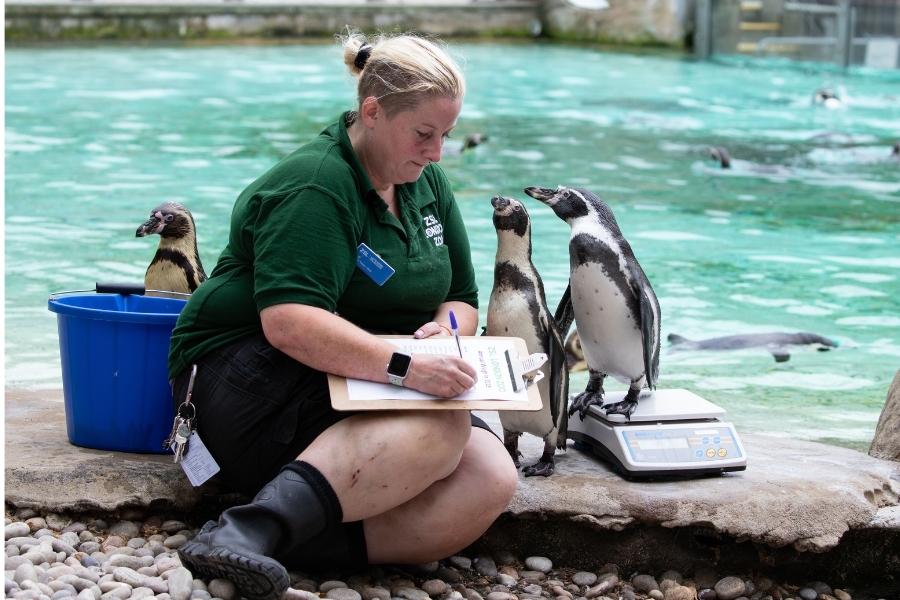
Zookeepers play a pivotal role in caring for animals whilst also supporting conservation, education and high standards of welfare. It’s practical, physical work and often outdoors. It relies on sharp observation, teamwork and clear communication so every animal gets consistent care.
Zookeeper career levels
There are different ways to start a career in zookeeping, with opportunities to develop your skills and progress over time. The information below highlights the entry-level roles and explains how responsibilities and career opportunities can grow as you gain experience.
- Apprentice Zookeeper: A fixed-term role, learning the basics of animal care and developing practical skills while working closely with experienced zoo staff and having time to learn theory in a classroom setting.
- Assistant Zookeeper: Supporting the care of animals and their environments while building confidence, knowledge, and hands-on experience.
- Qualified Zookeeper: Independently caring for animals, maintaining high welfare standards, and carrying out day-to-day zookeeping responsibilities. Qualified Keepers are likely to have two years’ experience and an animal related qualification.
- Senior Zookeeper: Taking a lead role in animal care, supporting and mentoring others, and helping to drive high standards across the team. Sometimes lead keepers take on an area of authority, focusing their skills in a certain skill base, for example habitat design or welfare.
- Animal Team Leader: Leading a team of zookeepers by coordinating daily activities, supporting staff development, and ensuring excellent animal care and welfare standards are maintained.
- Animal Section Head: Managing a specialist animal section, setting priorities, developing the team, and overseeing the delivery of animal welfare, conservation, and operational objectives.
Daily routine and responsibilities
Although every zoo and every species is different, most zookeeper days follow a clear routine:
- Start with welfare and safety checks
- Complete essential husbandry tasks such as feeding and cleaning
- Provide enrichment and training opportunities
- Habitat maintenance
- Finish by recording what was done and observed.
Underpinning everything, keepers work to maximise animal welfare.
Welfare and safety checks
Daily checks are one of the most important parts of the role. Every morning the following is assessed:
- Visual health checks: posture, movement/lameness, breathing, appetite, body condition, injuries or anything unusual
- Behaviour checks: activity level, social interactions, responsiveness or unusual behaviours
- Habitat safety: locks, barriers, hotwires, gates, moats, mesh, doors and hazards. Are there any changes or issues from wear and tear, weather or visitor impact?
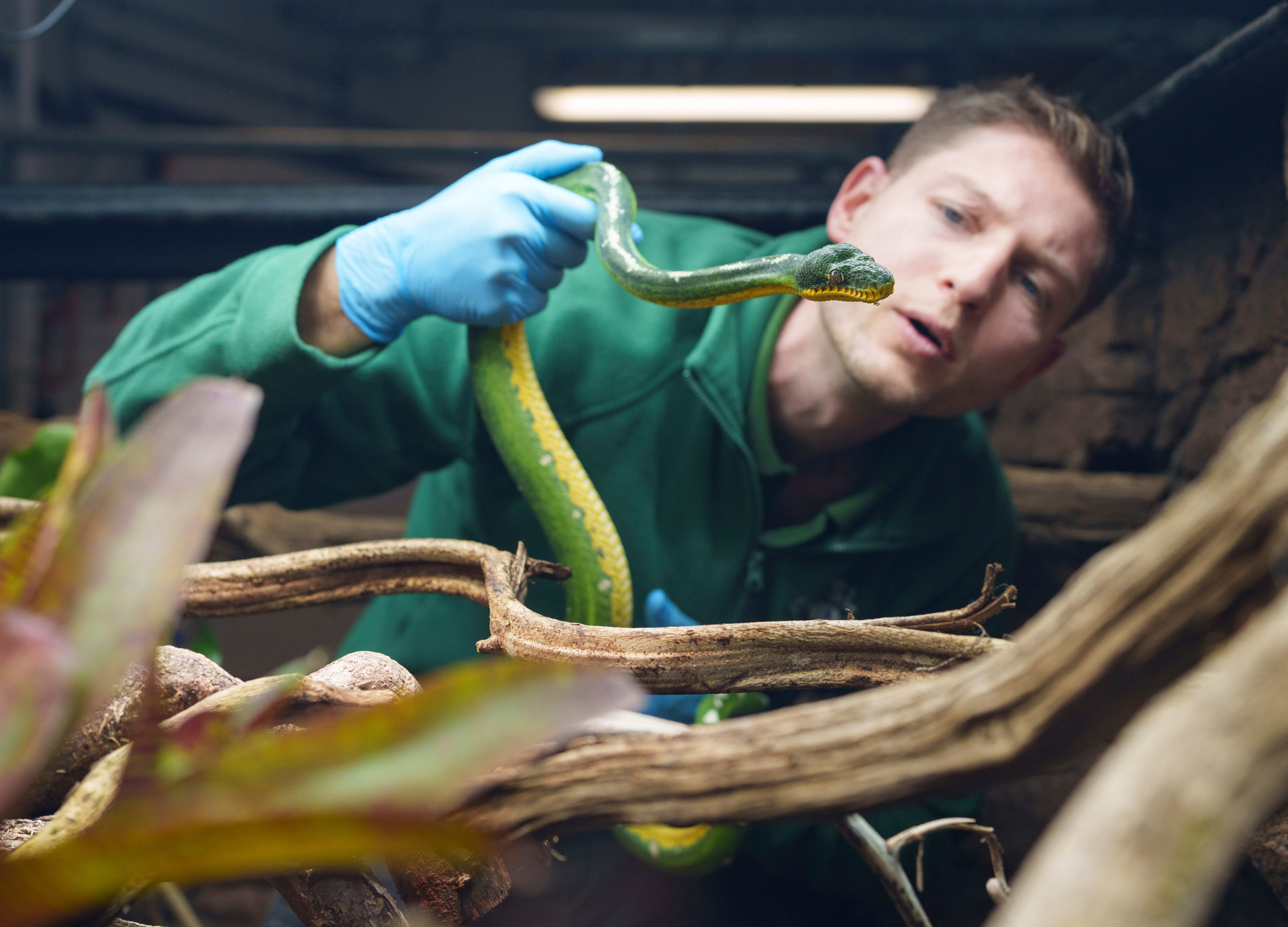
Observation skills and attention to detail are essential – small changes can be early warning signs. Keepers also use critical thinking and problem-solving skills to understand what they see and decide what action should be taken. They may immediately resolve an issue themself (e.g. removing a hazard) or report it to the right person. They use their initiative to take sensible action promptly.
Feeding and nutrition
Feeding is more than putting food out. The feeding tasks for a zookeeper include:
- Preparing diets accurately (including supplements) considering individual needs such as pregnancy, age or social hierarchy and following food hygiene procedures
- Providing species-appropriate feeding methods (scatter feeding, browse, puzzle feeders, carcass feeds where appropriate) to support natural feeding behaviours
- Monitoring and reporting intake – who ate what, how quickly and whether any animal is avoiding food or being excluded by others
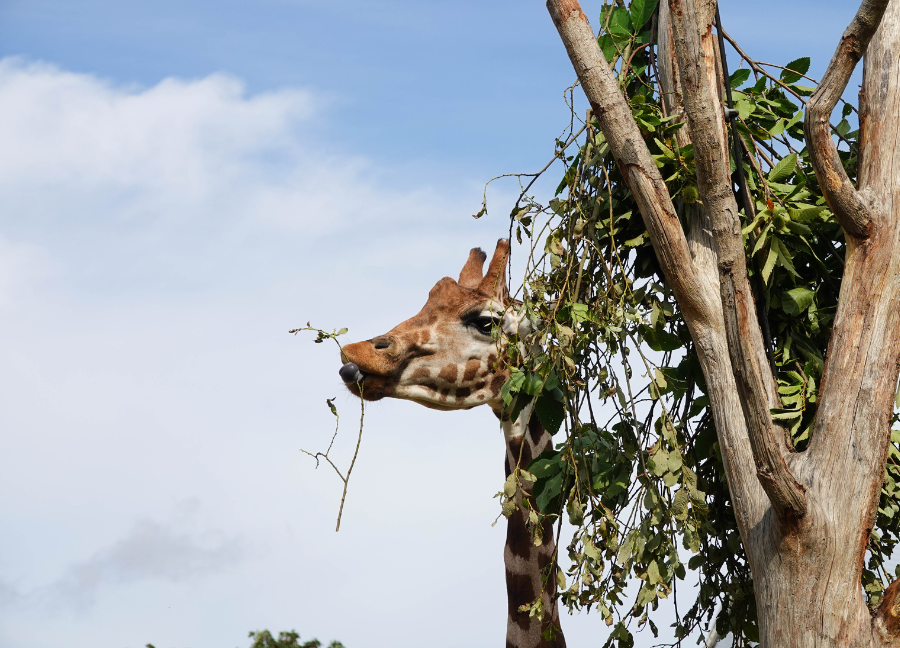
When it comes to feeding, attention to detail matters because small errors in weights, ingredients or supplements can affect health. Good communication and teamwork ensure changes, like reduced appetite, are reported clearly. Feeding also requires critical thinking and knowledge application to interpret what they see and apply feeding guidance correctly, while using initiative helps keepers notice what needs refilling or reorganising.
Cleaning and habitat maintenance
Cleaning is a core welfare task that supports health, comfort and disease prevention. It also keeps enclosures safe and presentable for animals and visitors. Tasks include:
- Moving animals between areas if needed
- Removing waste, dirty bedding and leftover food to reduce pests and minimise disease risks
- Cleaning and disinfecting surfaces, dens and equipment
- Changing bedding/substrate and maintaining nesting areas, dens or resting areas
- Maintaining pools and filtration systems and checking water quality where required
- Ensuring drinking water is clean and available
- Inspecting, reporting and repairing maintenance issues where appropriate (e.g. broken locks, damaged fencing, loose perches, unsafe flooring)
- Using correct manual handling techniques, personal protective equipment (PPE) and safe chemical use
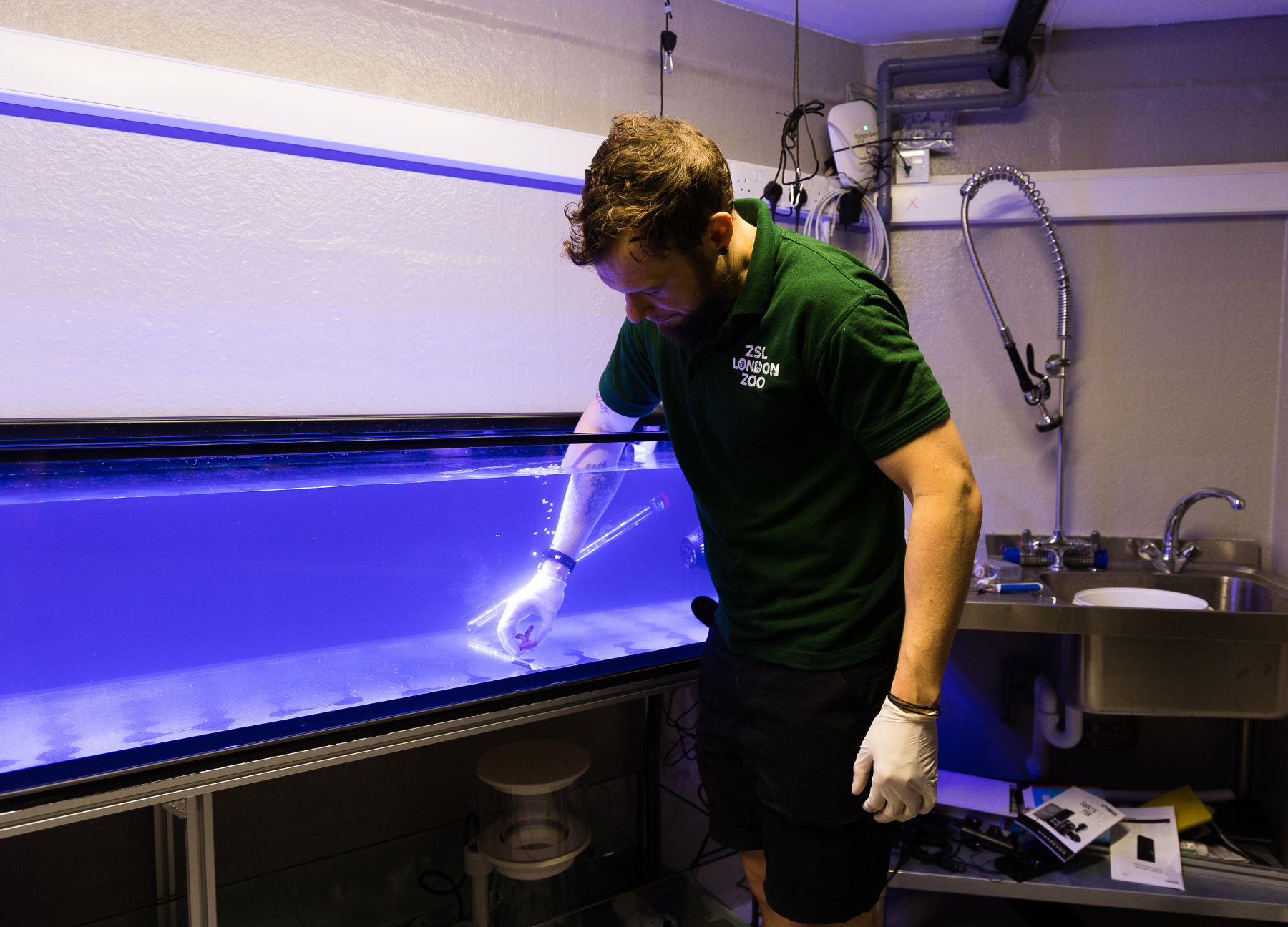
Keepers need practical problem-solving skills to adapt a plan or fix an issue, strong teamwork to complete tasks efficiently and show attention to detail to maintain hygiene standards. They also use initiative to identify the next task and address straightforward issues before they become bigger problems.
Enrichment, training and behavioural care
Enrichment ensures animals express a wide range of natural behaviours. It can maintain health, reduce stress and prevent boredom. Zookeepers design, deliver and review enrichment activities, making sure they are safe, appropriate and meaningful. Zookeeper tasks include:
- Providing a variety of enrichment across different categories, most commonly food-based, environmental or sensory
- Delivering training to animals for husbandry and veterinary purposes (e.g. target training, presenting a limb, stepping onto scales)
- Evaluating enrichment success by watching behaviour and recording observations
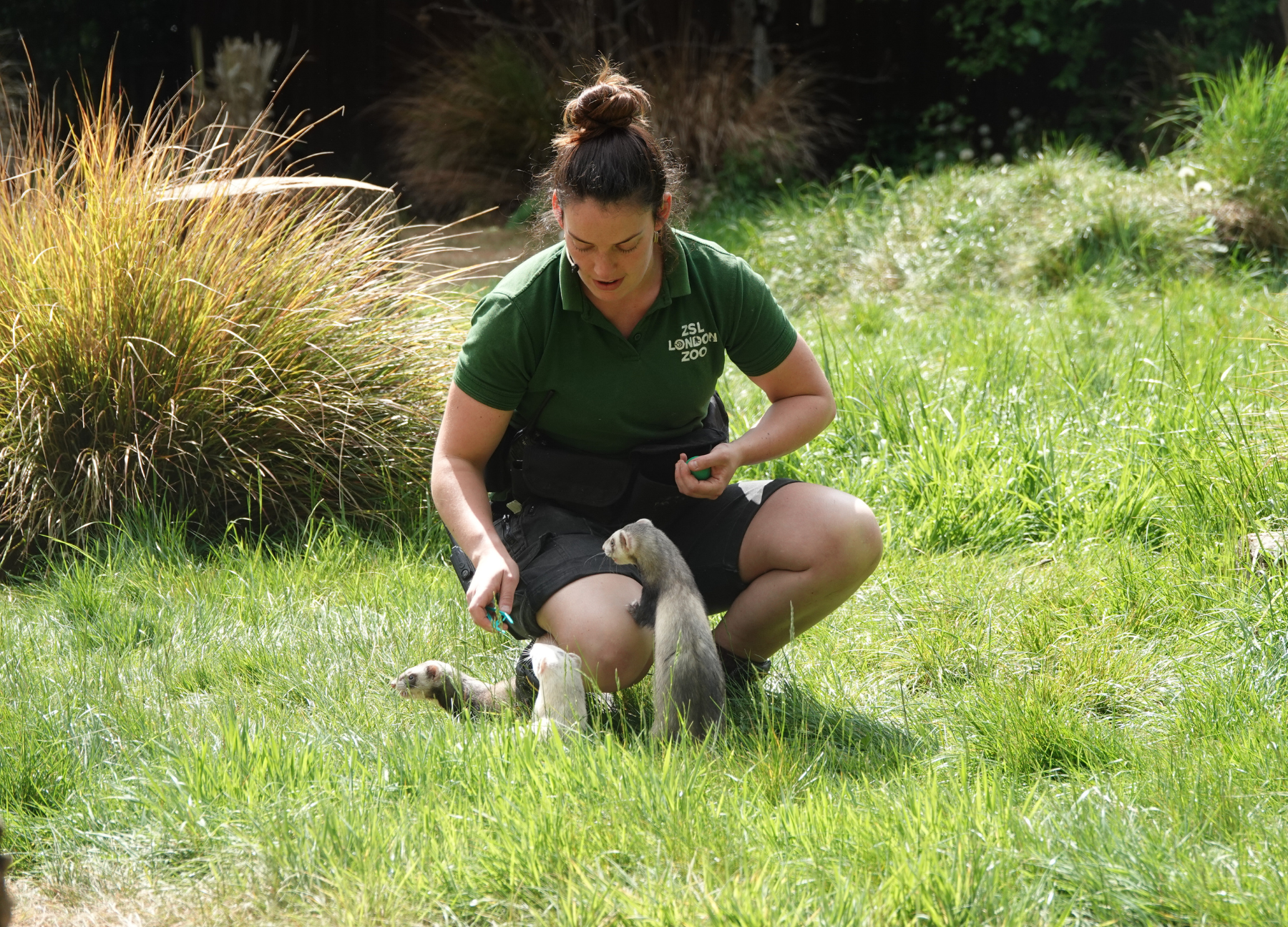
Designing and delivering enrichment requires creativity, observation, critical thinking and problem solving. Keepers must assess its impact on welfare, interpret behavioural responses, and apply species knowledge to adjust it if needed. Clear communication ensures enrichment is delivered consistently and safely.
Record keeping and reporting
Good record-keeping makes sure that animal care is consistent.
Records help teams spot patterns over time and provide clear information for veterinary decisions and management changes. Zookeepers are responsible for:
- Completing daily logs: food offered and eaten, cleaning completed, enrichment provided, weights and notable behaviour
- Recording health observations accurately and promptly
- Following medication and treatment instructions where authorised, and documenting what was given, when and by whom
- Reporting incidents, near-misses, maintenance issues and safety concerns
- Delivering clear shift handovers so that care continues smoothly during rota changes
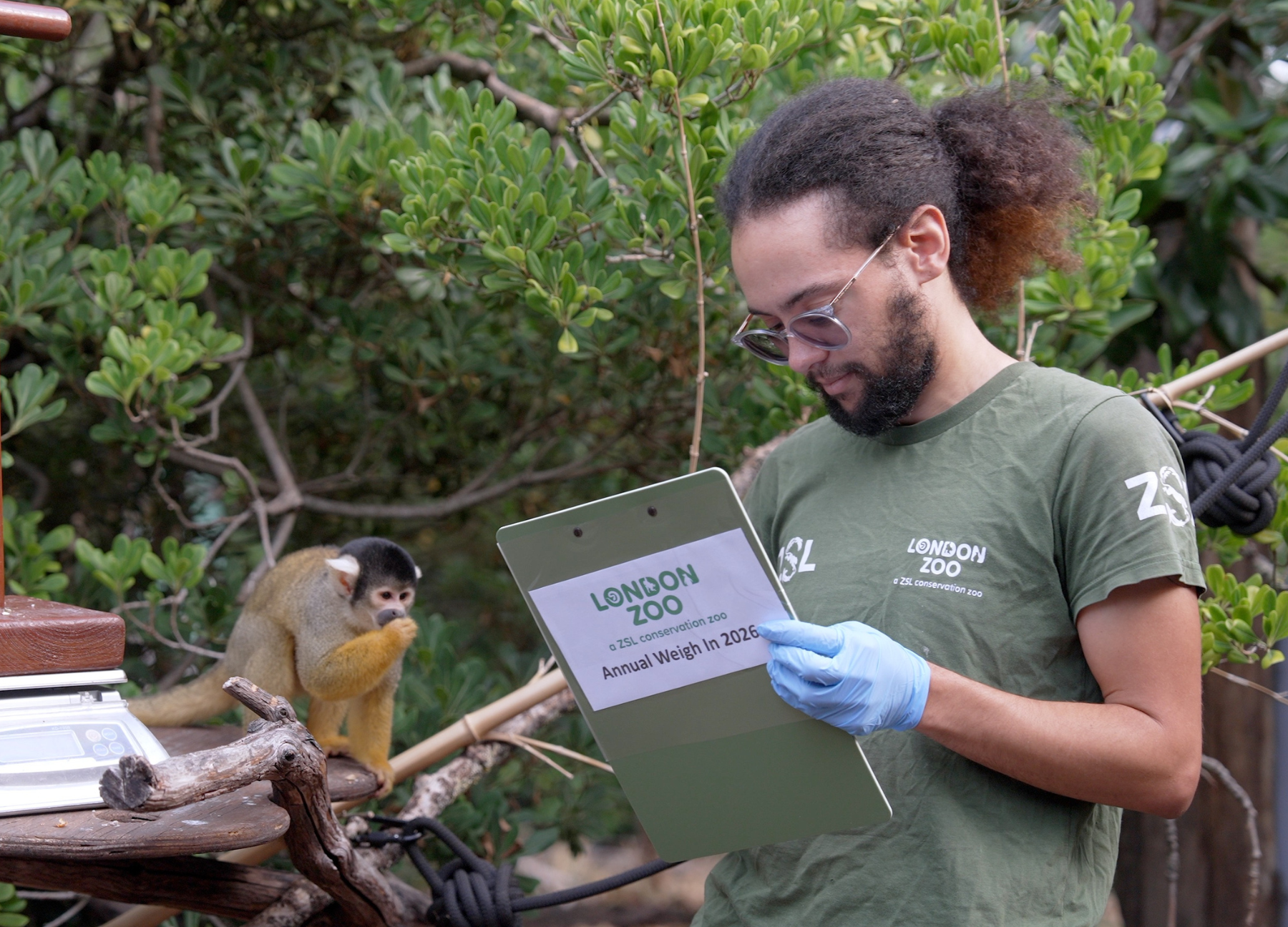
Record keeping depends on accuracy and attention to detail. Written communication matters, notes must be clear to be interpreted by others. Zookeepers also use critical thinking to spot patterns or concerns in records over time and must then apply their knowledge to interpret what they are seeing. They must be responsible for their own actions and records.
Key skills for zookeepers
The Universal Skills Framework outlines eight essential skills that help people succeed in education, work and everyday life.
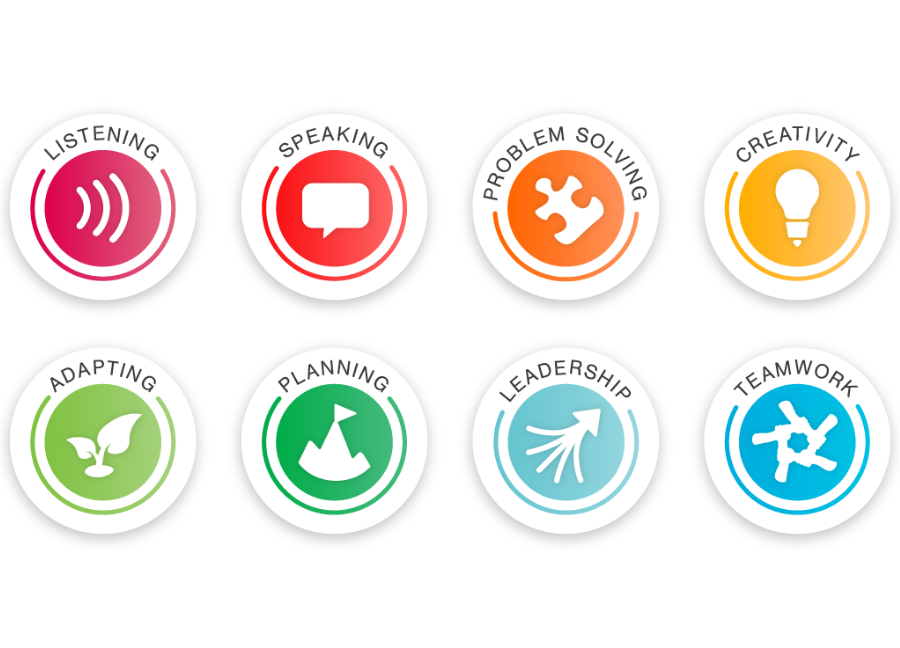
The skills are grouped into four areas:
- Communication: Listening and Speaking
- Creative Problem Solving: Problem Solving and Creativity
- Self-Management: Planning and Adapting
- Collaboration: Teamwork and Leadership
At ZSL, we recommend two more:
- Attention to detail
- Observation
You’ll see these skills coming up throughout the course, so keep an eye out for how they’re used in different activities and tasks.
Conclusion
Being a zookeeper is a balance of routine and responsiveness. Regular husbandry tasks must be completed to a high standard, but keepers must also adapt to what’s in front of them.
Consider the information above. Which zookeeper skills are you already developing at school, college, work, volunteering or through sport and hobbies? Be prepared to identify these and talk about them in your applications and interviews.
Becoming a Zookeeper: A Virtual Work Experience Course

Becoming a Zookeeper: A Virtual Work Experience Course





