Colours in Japanese books
| Having explored illustrations, let’s now turn our attention to colour. |  |
Japan has a tradition of illustrated books dating back to the eighth century, and a wide variety of pigments and dyes were used to bring their illustrations to life.
From early times, these included both mineral-based and plant-based colourants in a rich range of colours.
Mineral pigments can produce strong, vivid colours, while plant-based dyes can create softer and more subdued tones. Mineral pigments are also relatively resistant to ageing and ultraviolet light, whereas plant-based dyes are more vulnerable to light and tend to fade or change colour over time.
Mineral pigments
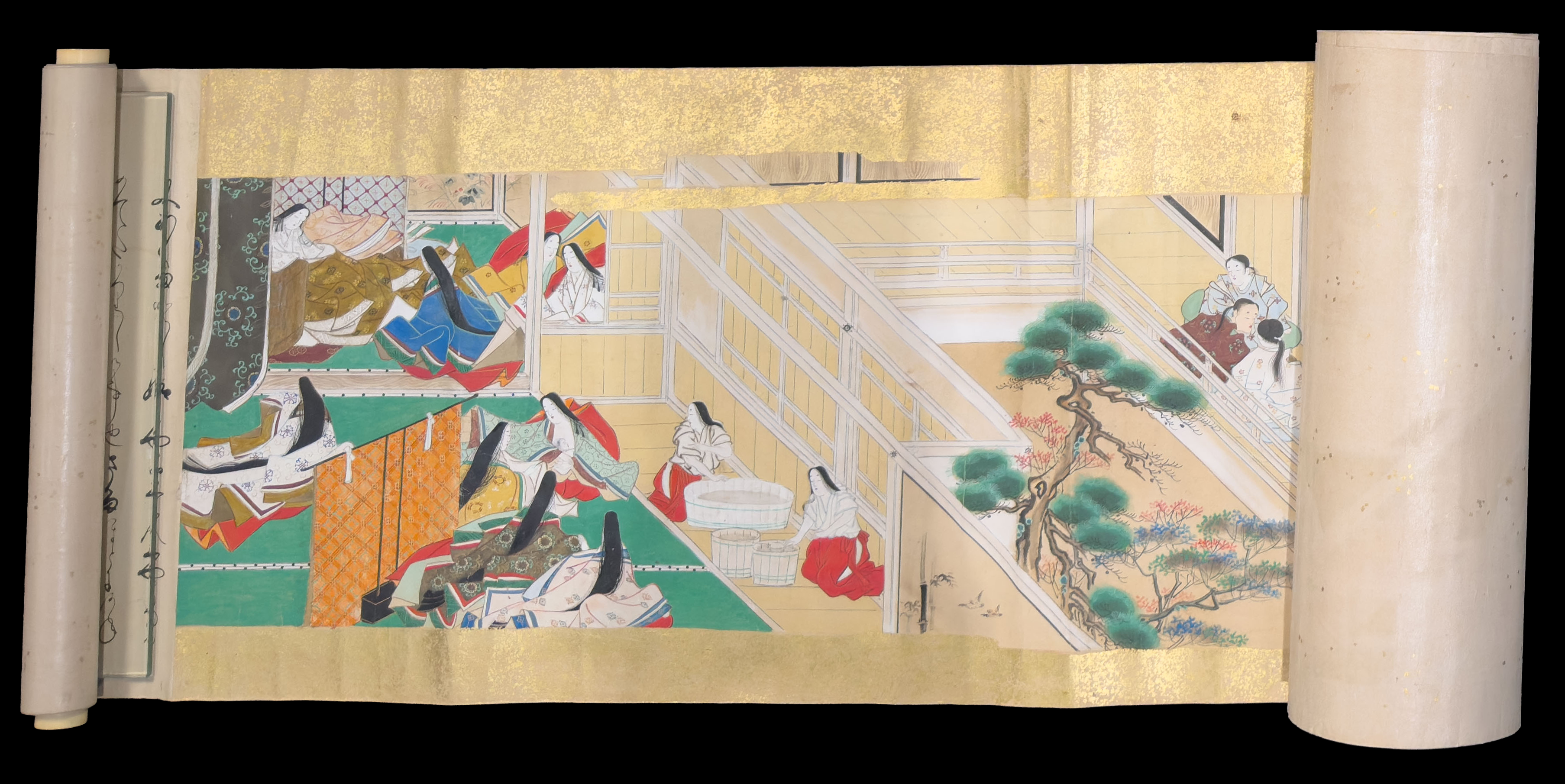
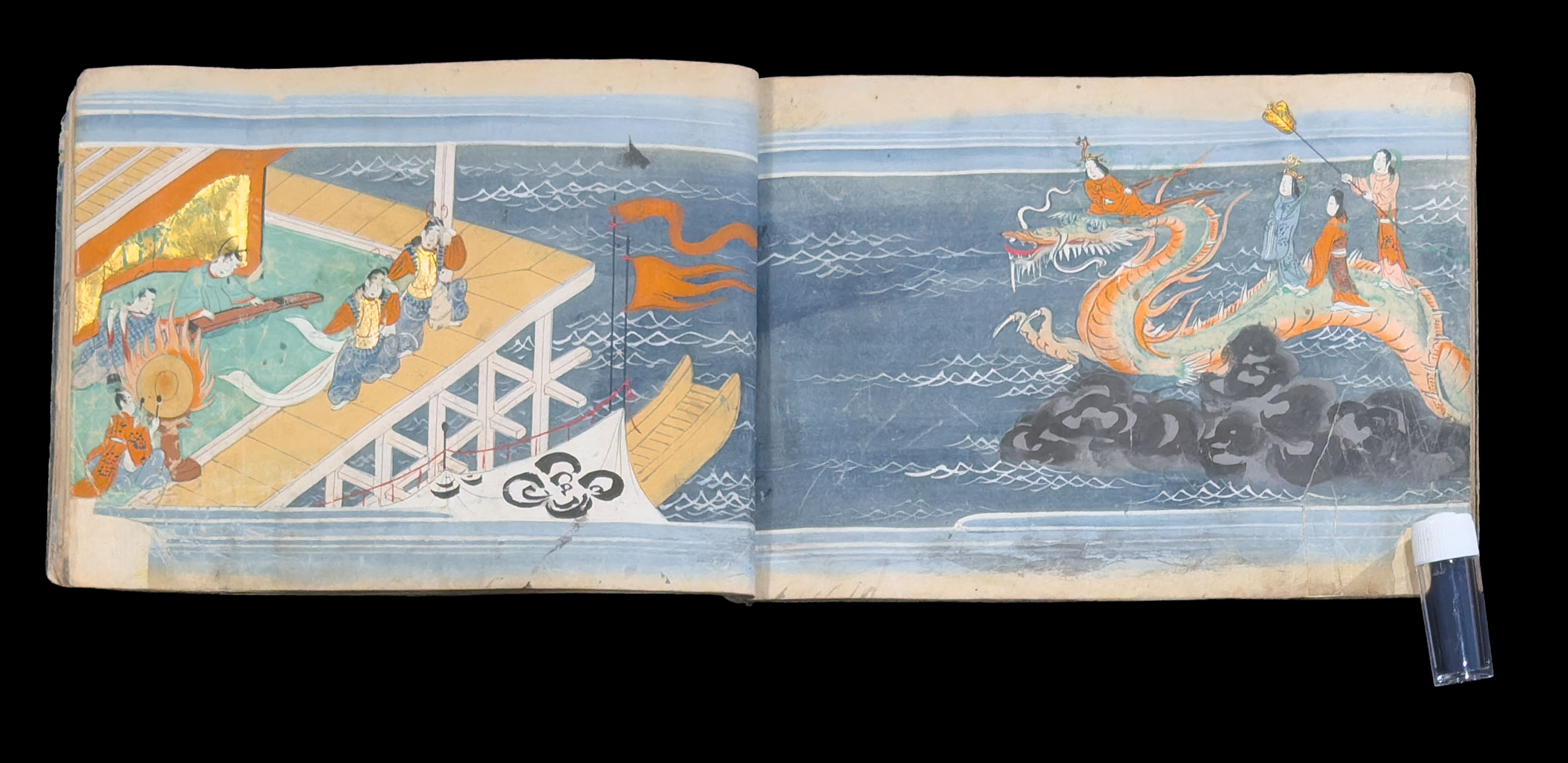
Among the best-known mineral pigments are tan (or ni), a vivid orange-red made from minium (red lead) (Fig. 1); rokushō, a brilliant green made from malachite (Fig. 1); enpaku (lead white), made from lead (Fig. 2), and gofun, a white pigment made from shells (Fig. 3); and gunjō, a rich blue made from azurite (Fig. 4).
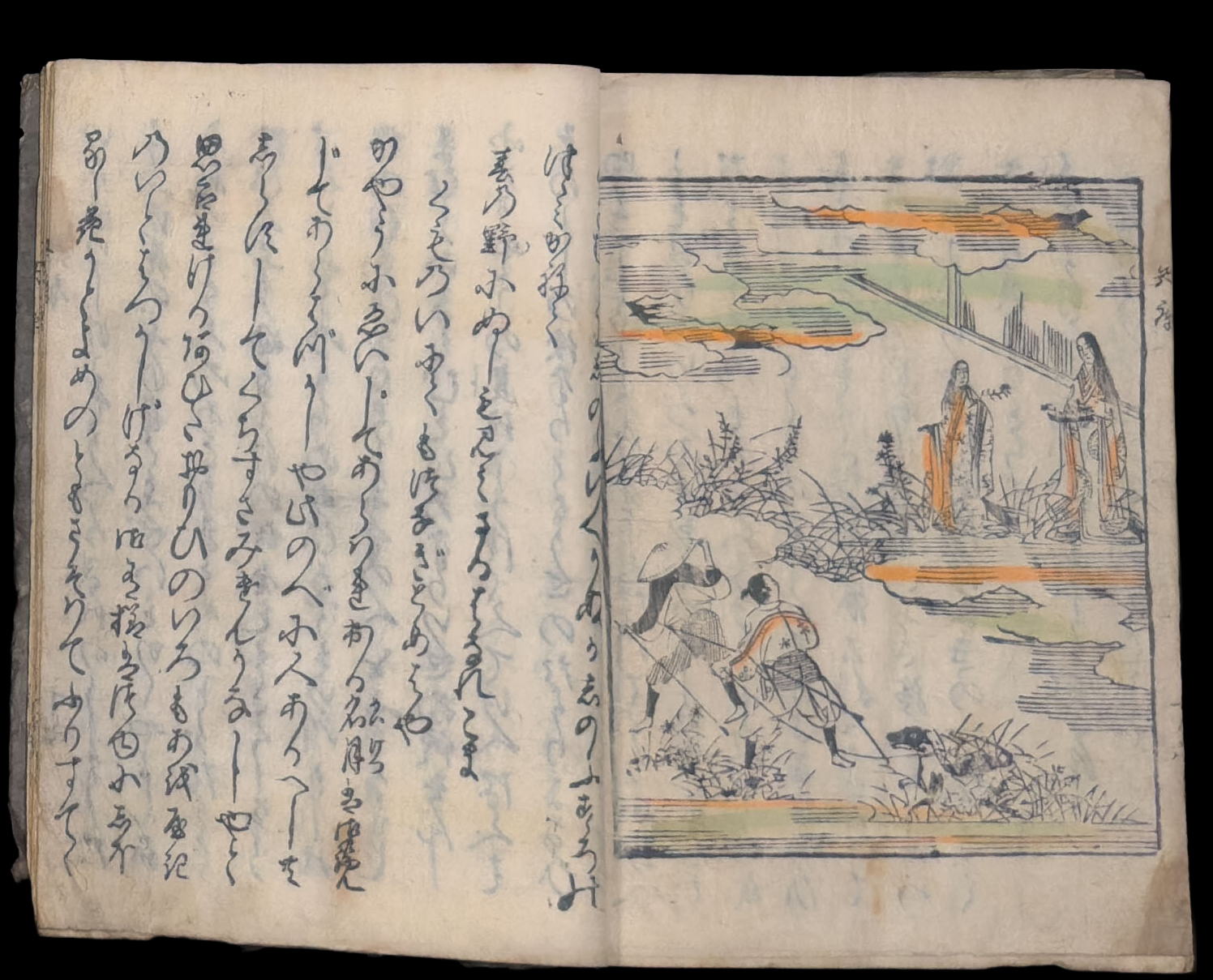 Fig. 1. Tsukishima つきしま. Early 17th century, private collection/tan: orange-red part & rokushō: green part [1] Closer look |
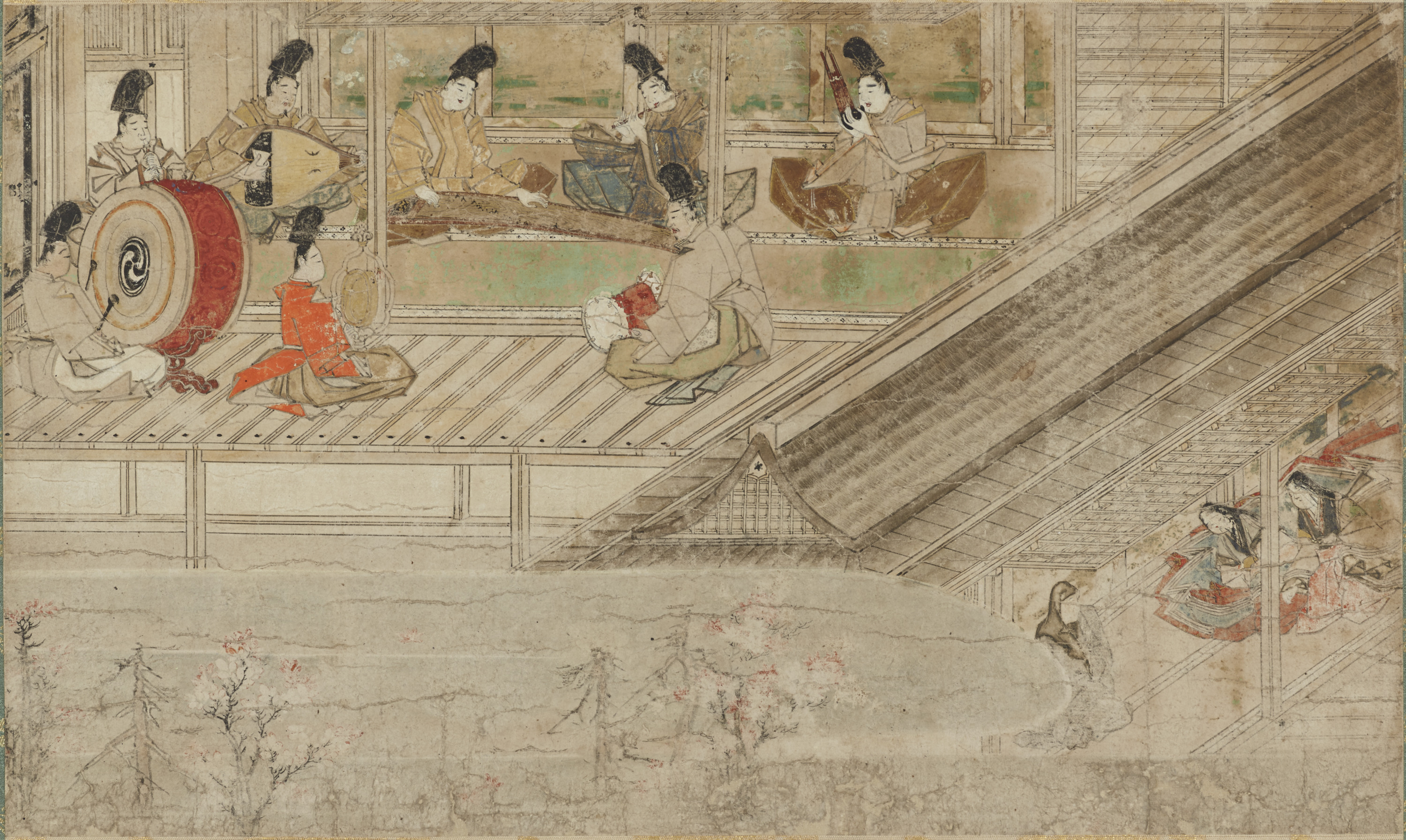 Fig. 2. Part of The Illustrated Tale of Sumiyoshi 住吉物語絵巻断簡. 13th century, Tokyo National Museum, ColBase, A-12092/enpaku: white part of the picture [2] Closer look |
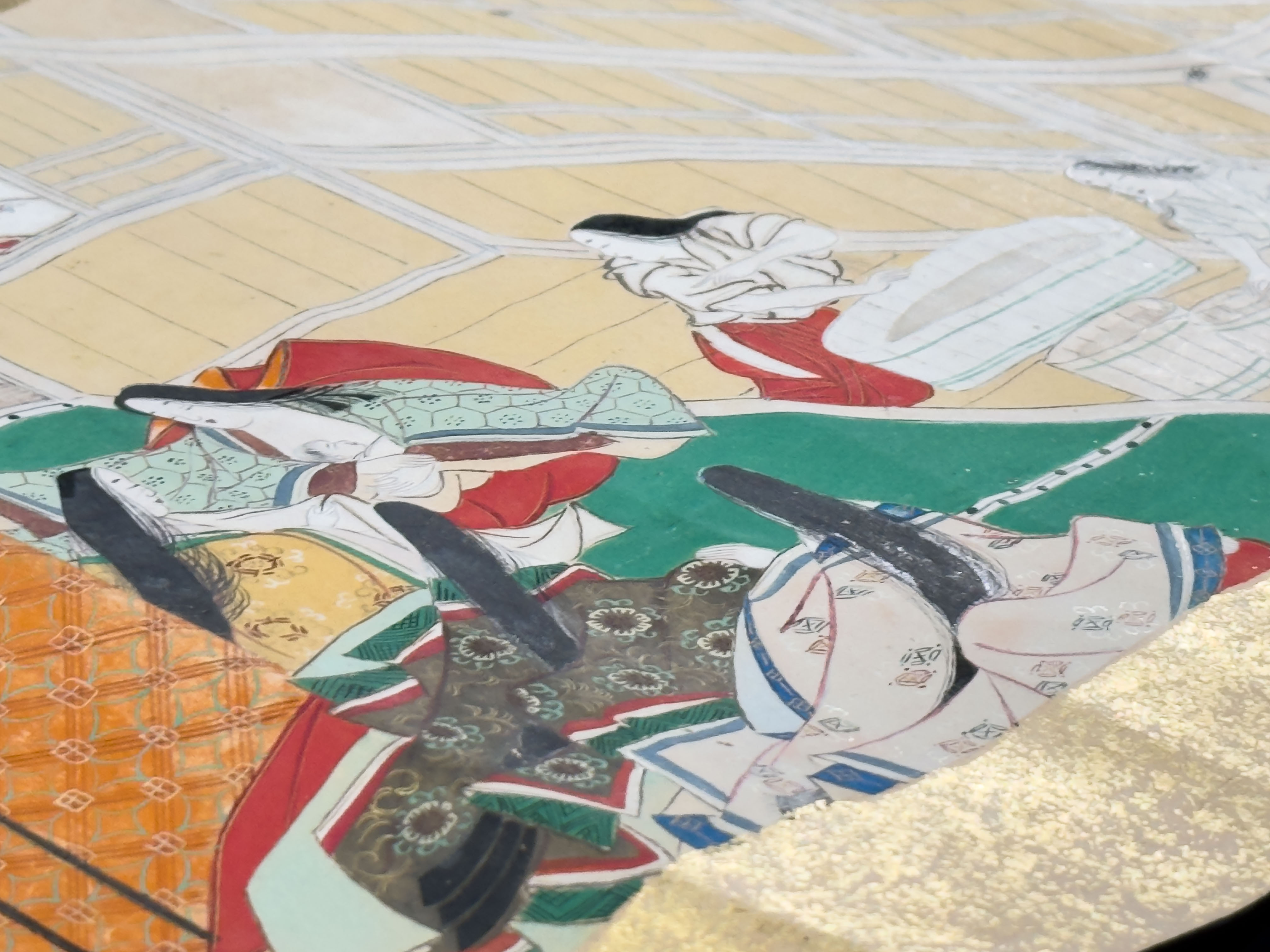 Fig. 3. Bunshō zōshi 文正草子. 17th century, private collection/gofun: white part of the picture [3] Closer look |
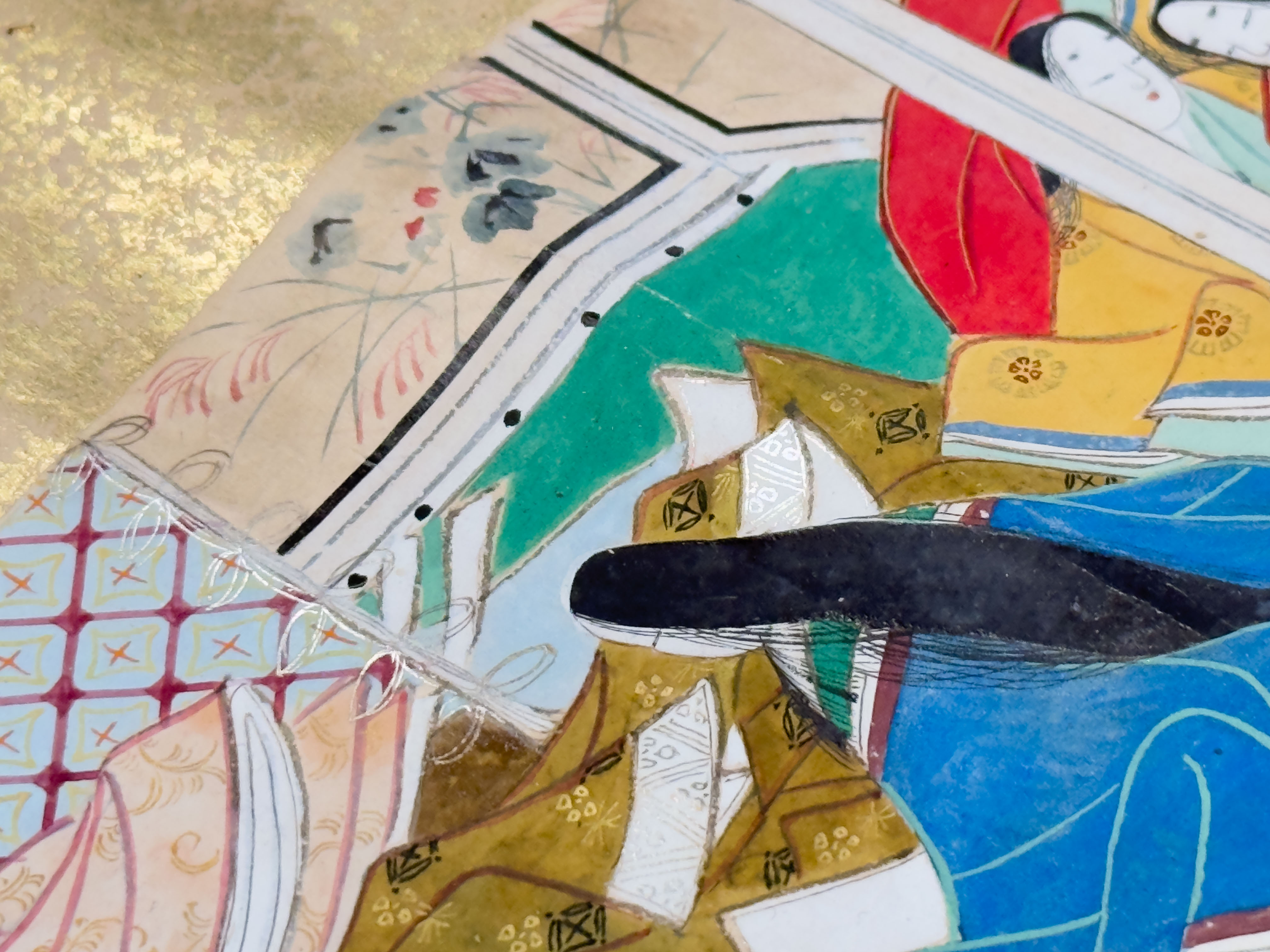 Fig. 4. Bunshō zōshi 文正草子. 17th century, private collection/gunjō: rich blue part of the picture [3] Closer look, View more of the scroll |
Plant-based dyes
Common plant-based dyes include blue made from indigo (Fig. 5), purple from the roots of the purple gromwell (Fig. 6), red from safflower (benibana) (Fig. 7), and reddish purple from sappanwood (suō) (Fig. 8).
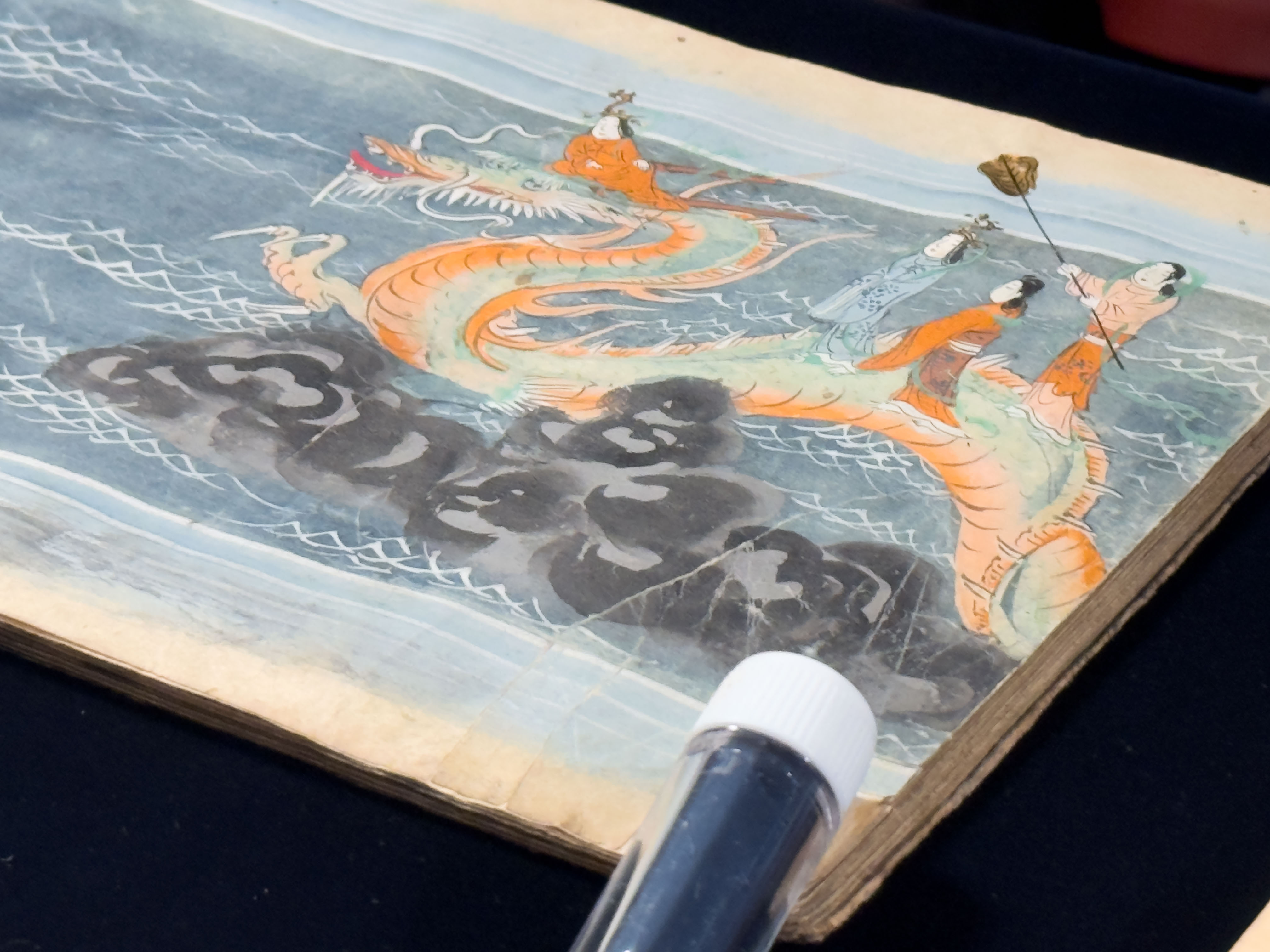 Fig. 5. Taishokan 大職冠. Early 17th century, private collection/indigo: blue part of the picture [4] Closer look View the two-page spread |
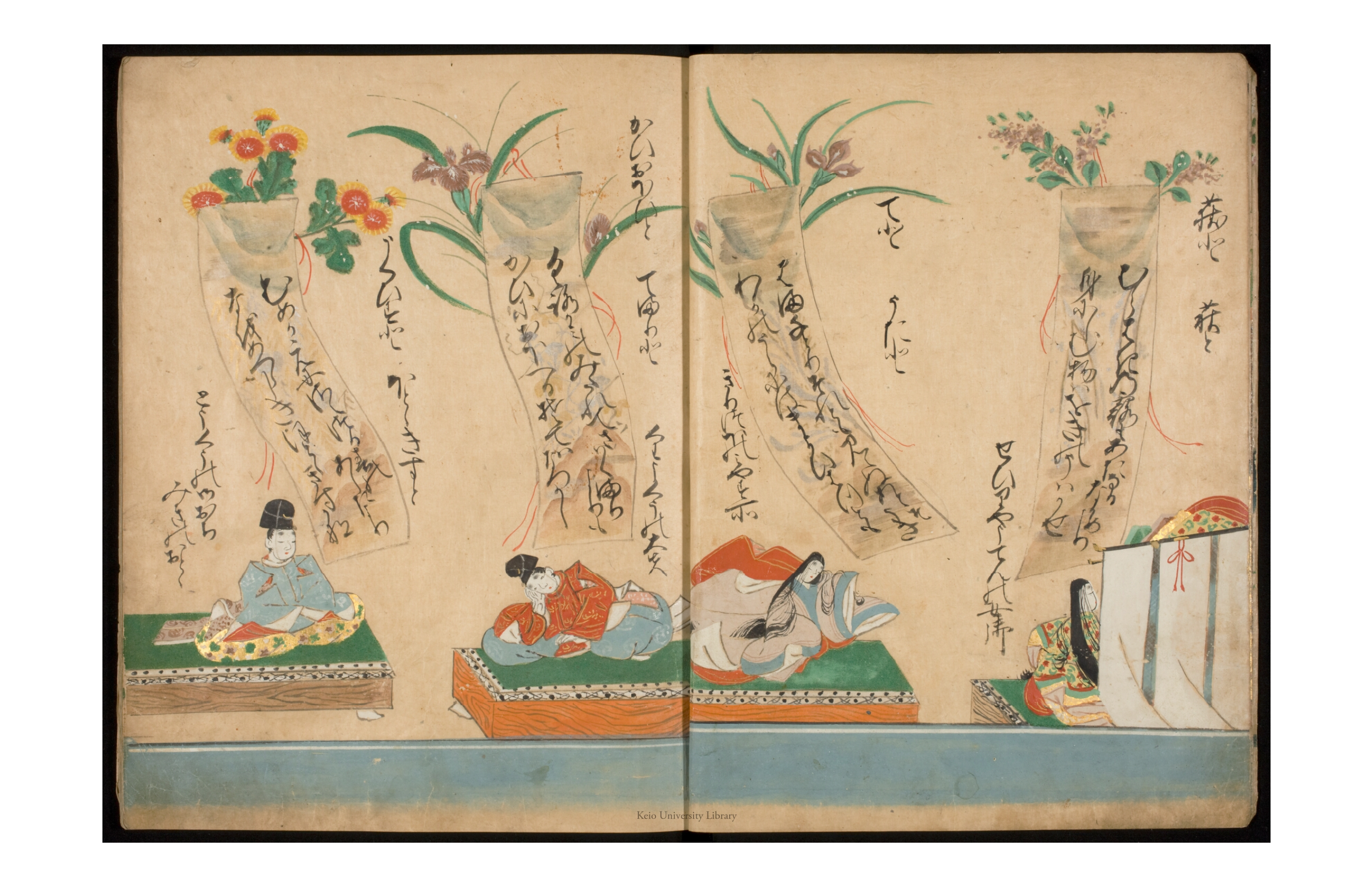 Fig. 6. Shijuuni no mononoarasoi 四十二の物あらそひ. Late 16th to early 17th century, Keio University Library, 110X@446@1/purple: purple part of the picture [5] Closer look |
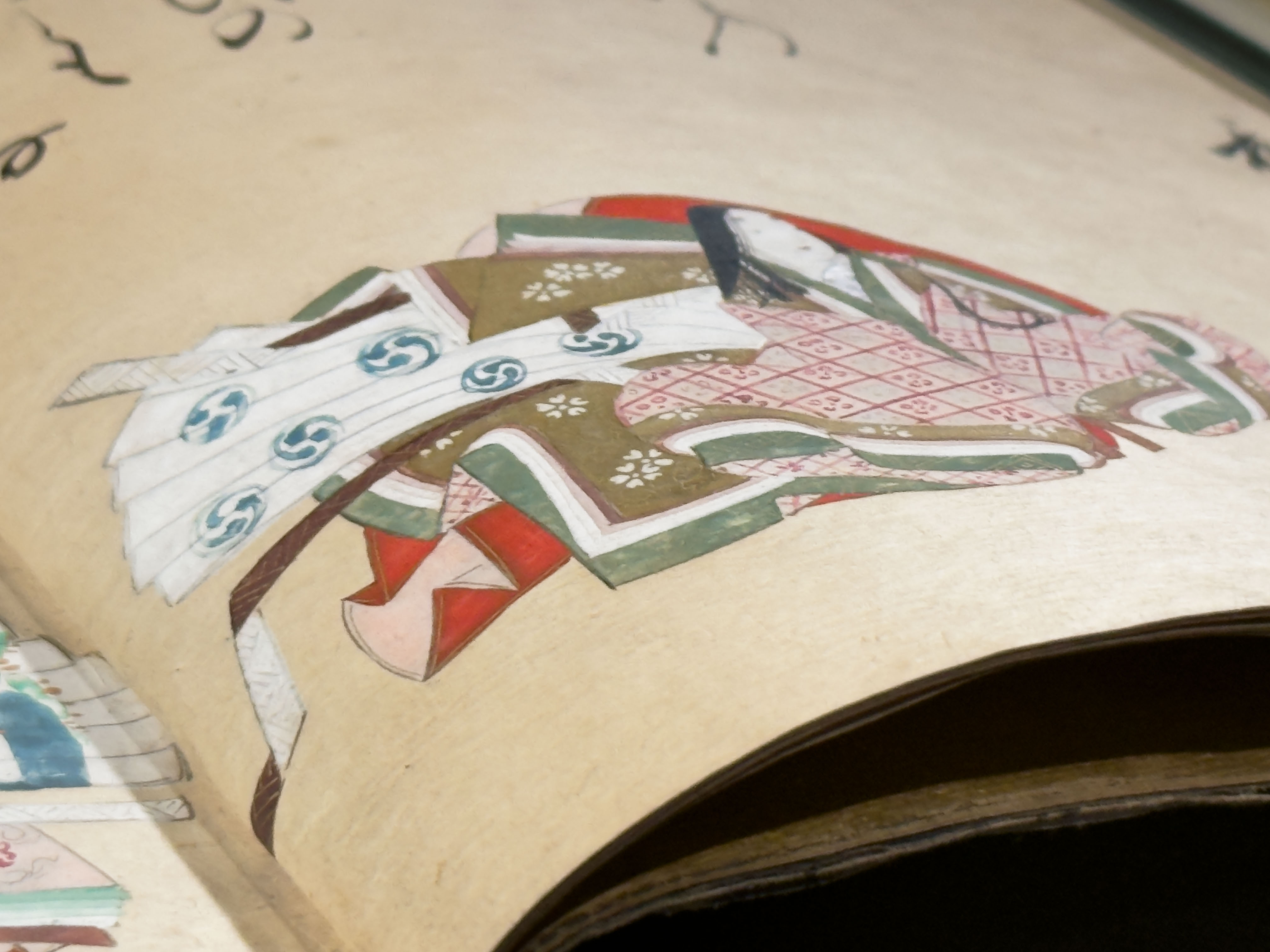 Fig. 7. Hyakunin isshu 百人一首. 17th century, private collection/red from safflower,benibana [6] Closer look |
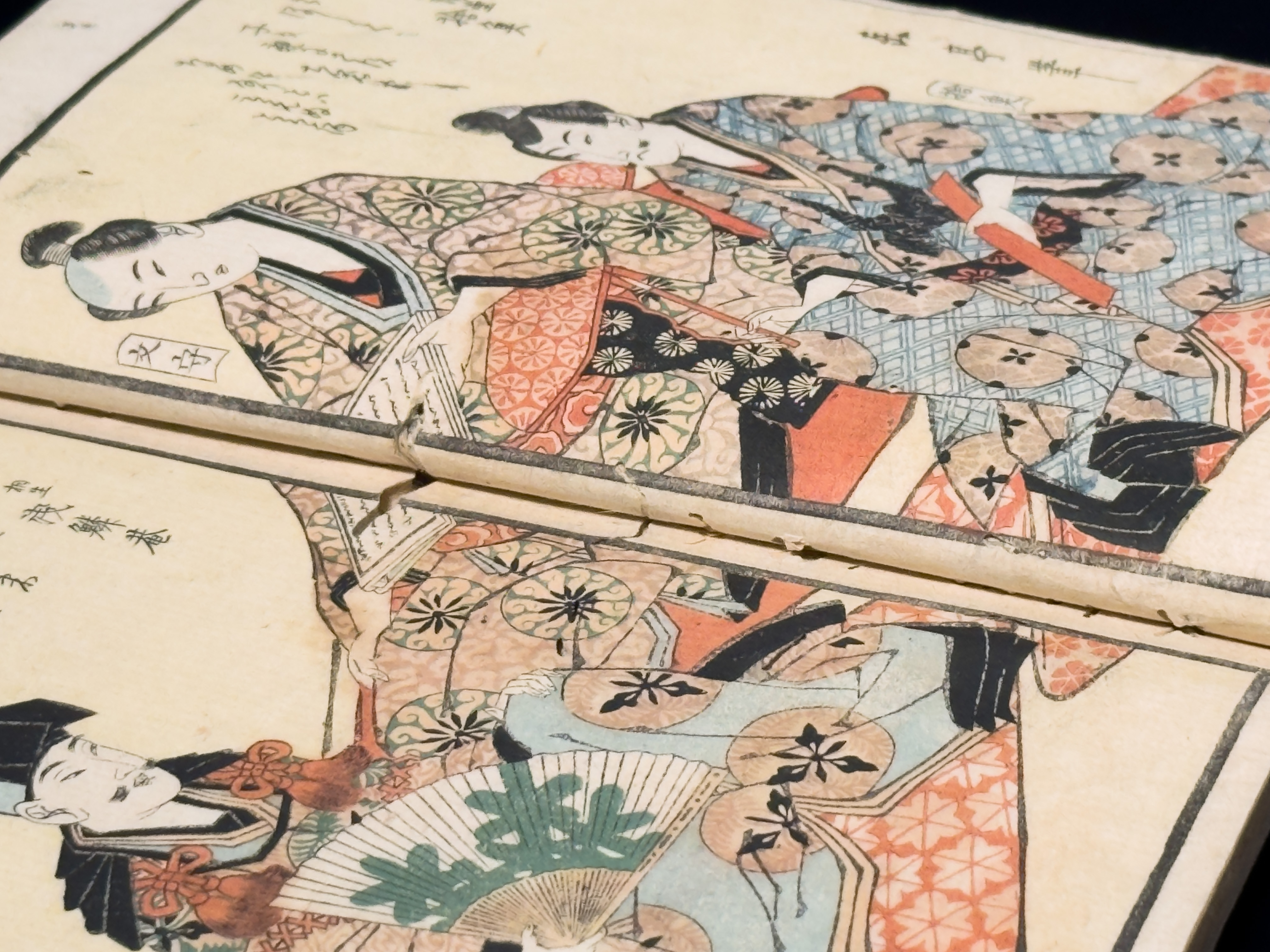 Fig. 8. Kyoukameisuugazoushuu 狂歌名数画像集. Early 19th century, private collection/suo: red part of the picture [7] Closer look |
Synthetic pigments
Alongside these natural colourants, Prussian blue (Fig. 9), invented in Berlin, was imported into Japan by the mid-18th century. By the early 19th century, it had begun to be widely used in ukiyo-e prints, which had previously relied largely on plant-based colours. The striking blue of the great wave in Hokusai’s world-famous Under the Wave off Kanagawa (Fig. 10), from the series Thirty-six Views of Mount Fuji, was created using Prussian blue.
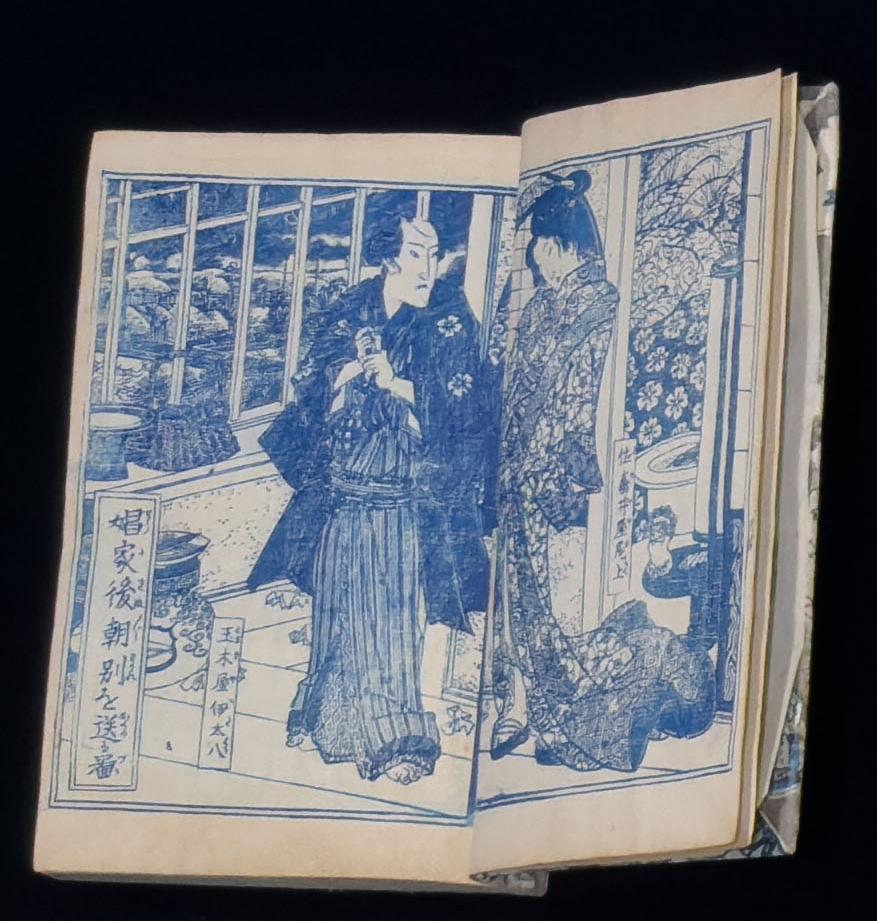 Fig. 9. Keiseiimiharizuki 契情意味張月. 1823, private collection/Prussian blue [8] Closer look |
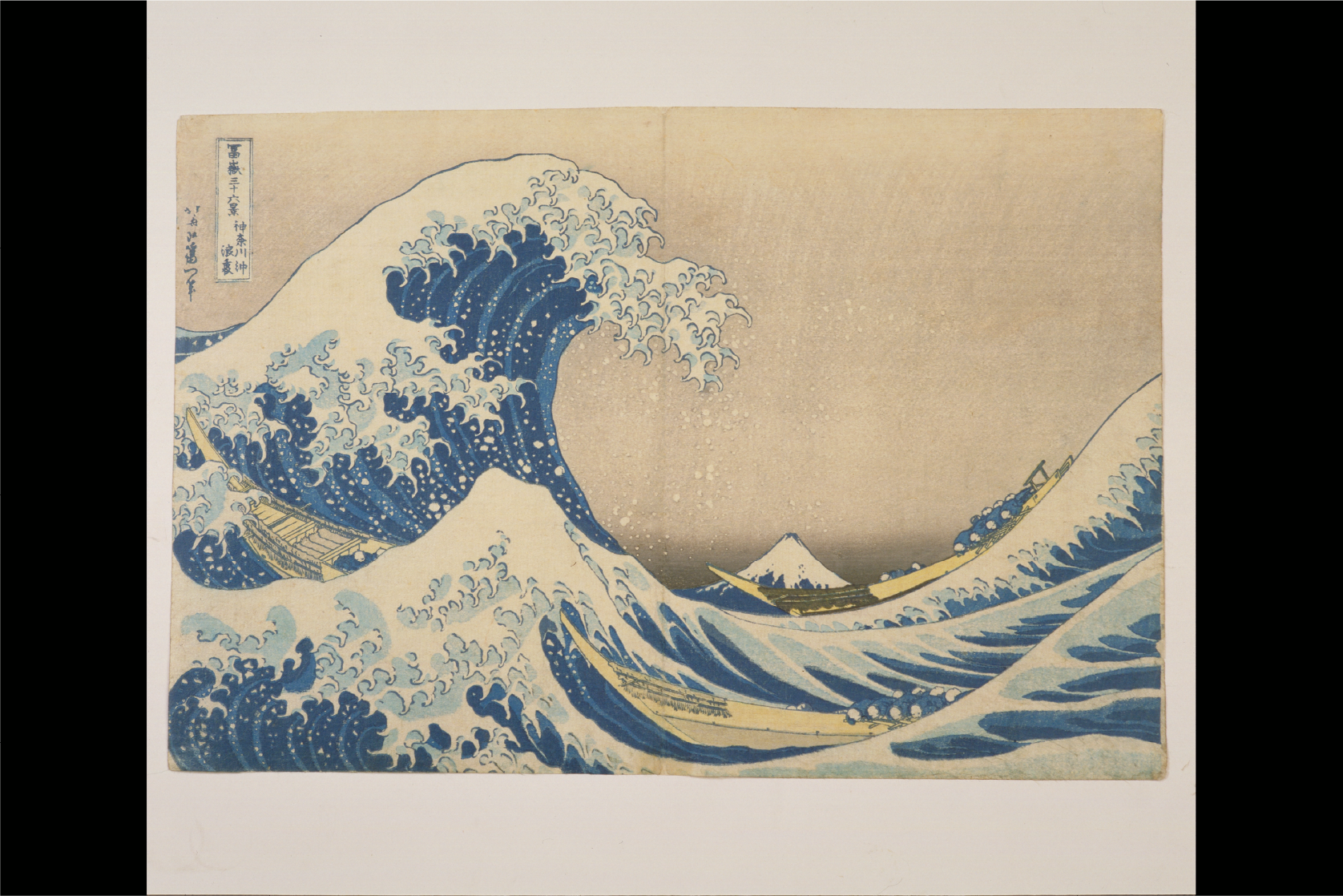 Fig. 10. Hokusai, Thirty-six Views of Mount Fuji: Under the Wave off Kanagawa 富嶽三十六景 神奈川沖浪裏. Takahashi Ukiyo-e Collection, Keio University, 200X@4-20/Prussian blue in Ukiyo-e by Hokusai [9] Closer look |
Gold and silver
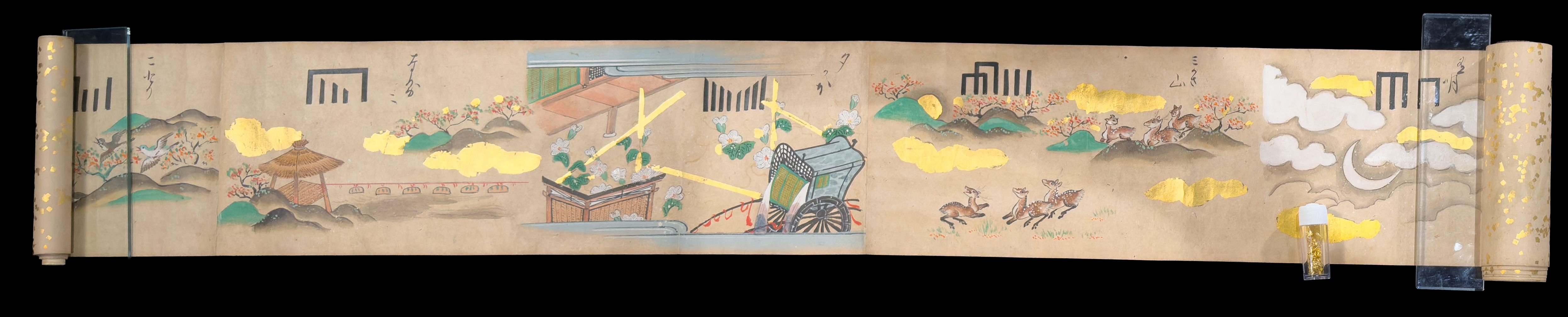
Japanese books were also frequently decorated with gold (Fig. 11) and silver leaf (Fig. 12), as well as gold (Fig. 13) and silver powders (Fig. 14) used as pigments, giving their illustrations a particularly rich and brilliant appearance.
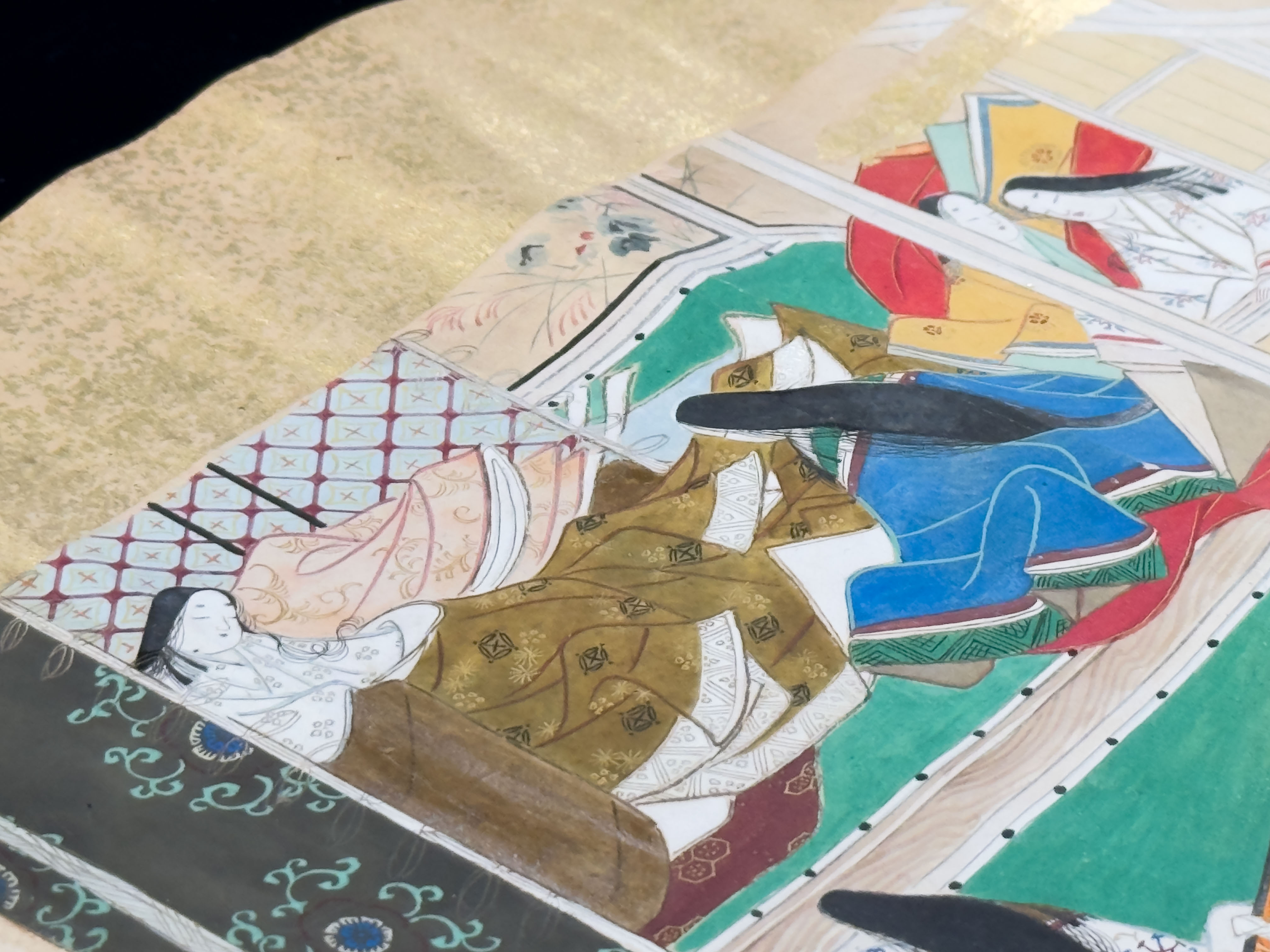 Fig. 11. Bunshō zōshi 文正草子. 17th century, private collection/gold leaf [3] Closer look |
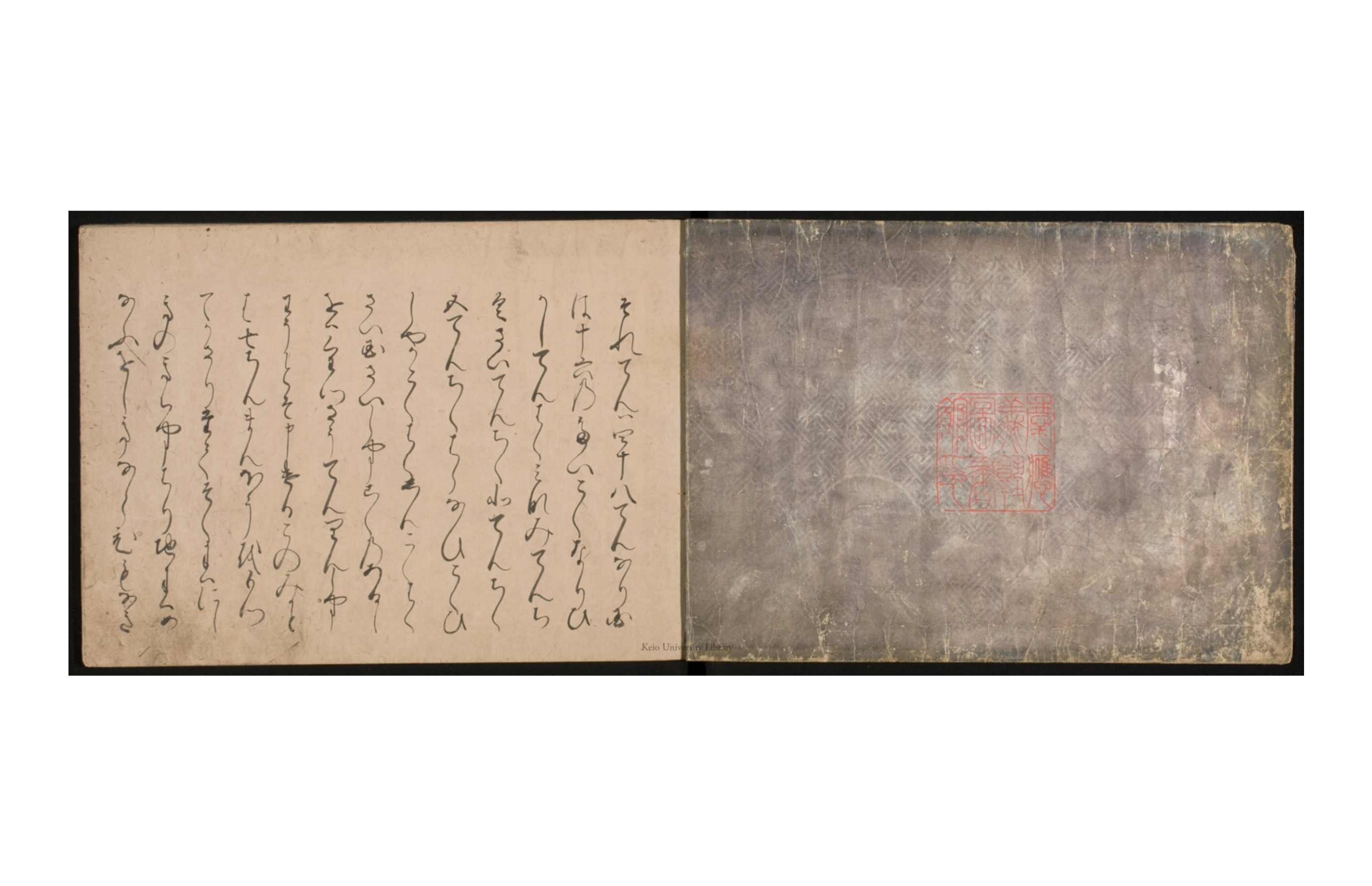 Fig. 12. Amidanohonji あみだの本地, 17th century, Keio University Library, 110X@274@3/silver leaf: black colour on the inside front cover [10] Closer look |
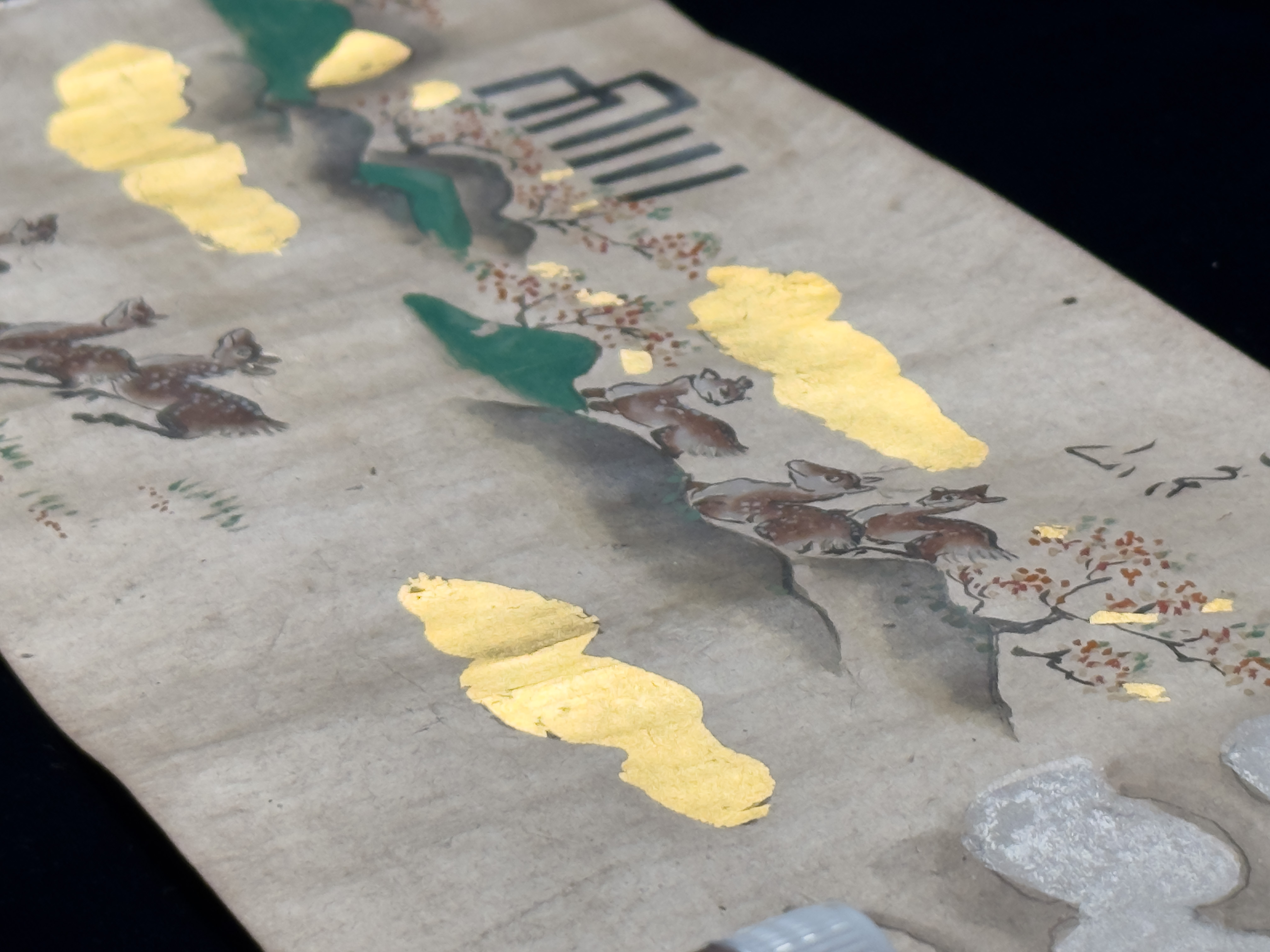 Fig. 13. Kumikō emaki 組香絵巻. Early 17th century, private collection/gold powder [11] Closer look View more of the scroll |
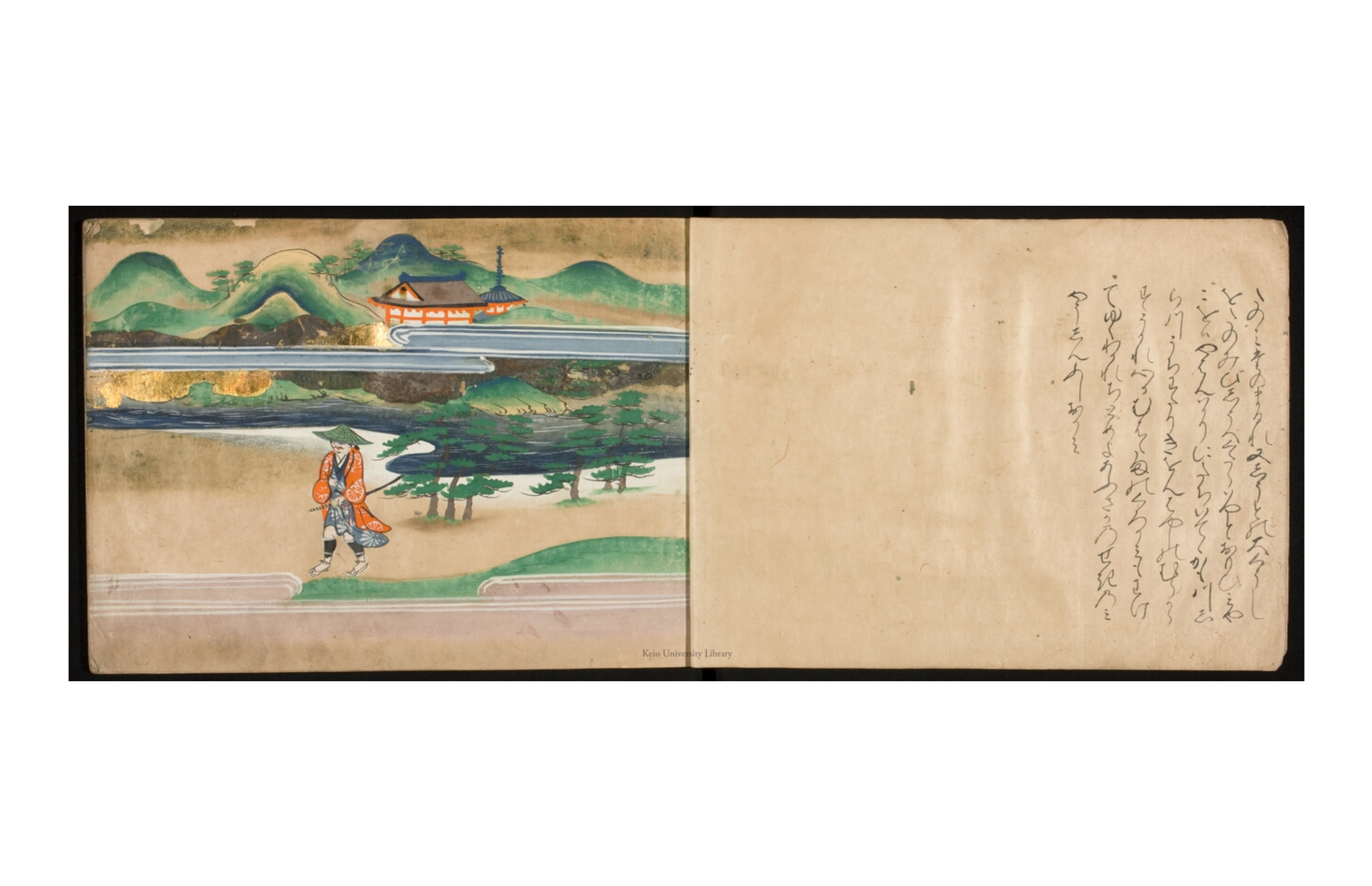 Fig. 14. Kagekiyo 景清. 17th century, Keio University Library, 110X@408@2/silver powder: black part of the picture [12] Closer look |
Marco Polo famously described Japan in The Travels of Marco Polo as a land rich in gold. When we see how extensively gold and silver were used in Japanese books — not only in illustrations, but also on covers and in the decoration of text — Marco Polo’s description doesn’t seem like an exaggeration.
Note: The identification of the colour materials in Fig. 4 (gunjō), Fig. 7 (benibana) and Fig. 8 (suō) has not been confirmed through compositional analysis, but is considered highly likely. The colour produced from suō can vary from red to purple depending on the mordant used.
Books and scrolls featured in the article
- Tsukishima つきしま. Early 17th century, Tanrokubon, private collection
- Part of The Illustrated Tale of Sumiyoshi 住吉物語絵巻. 13th century, Tokyo National Museum, ColBase, A-12092
- Bunshō zōshi 文正草子. 17th century, Nara-emaki, private collection
- Taishokan 大職冠. Early 17th century, Nara-ehon, private collection
- Shijuuni no mononoarasoi 四十二の物あらそひ. Late 16th to early 17th century, Keio University, 110X@446@1
- Hyakunin isshu 百人一首. 17th century, Nara-ehon, private collection
- Kyoukameisuugazoushuu 狂歌名数画像集. Early 19th century, private collection
- Keiseiimiharizuki 契情意味張月. 1823, private collection
- Hokusai, Thirty-six Views of Mount Fuji: Under the Wave off Kanagawa 富嶽三十六景 神奈川沖浪裏. Early 19th century, Takashi Ukiyo-e Collection, Keio University, 200X@4-20
- Amidanohonji あみだの本地. 17th century, Keio University, 110X@274@3
- Kumiko emaki 組香絵巻. Early 17th century, private collection
- Kagekiyo 景清, 17th century, Keio University, 110X@408@2
Global Codex: Hidden Stories of Books Across Cultures

Global Codex: Hidden Stories of Books Across Cultures