
Colours and light in European books
| Now let’s turn to colour in European books. |  |
Before watching the video, let’s take a closer look at the colours and materials used to decorate European books.
Just like Japan, Europe has a long and rich tradition of decorating and illustrating books with various colours. Interestingly, there is a significant overlap in both regions in the pigments used in the pre-modern era. For example, the staple pigments in European book decoration, such as minium and vermilion for red or orange, azurite for blue, malachite and verdigris for green, and lead white, are all found in Japanese books as well, as we have learnt in the previous step. We even see a similar colour combination in books from both the East and the West (Fig. 1). Both were probably coloured with minium for the orangish red and either malachite or verdigris for green.
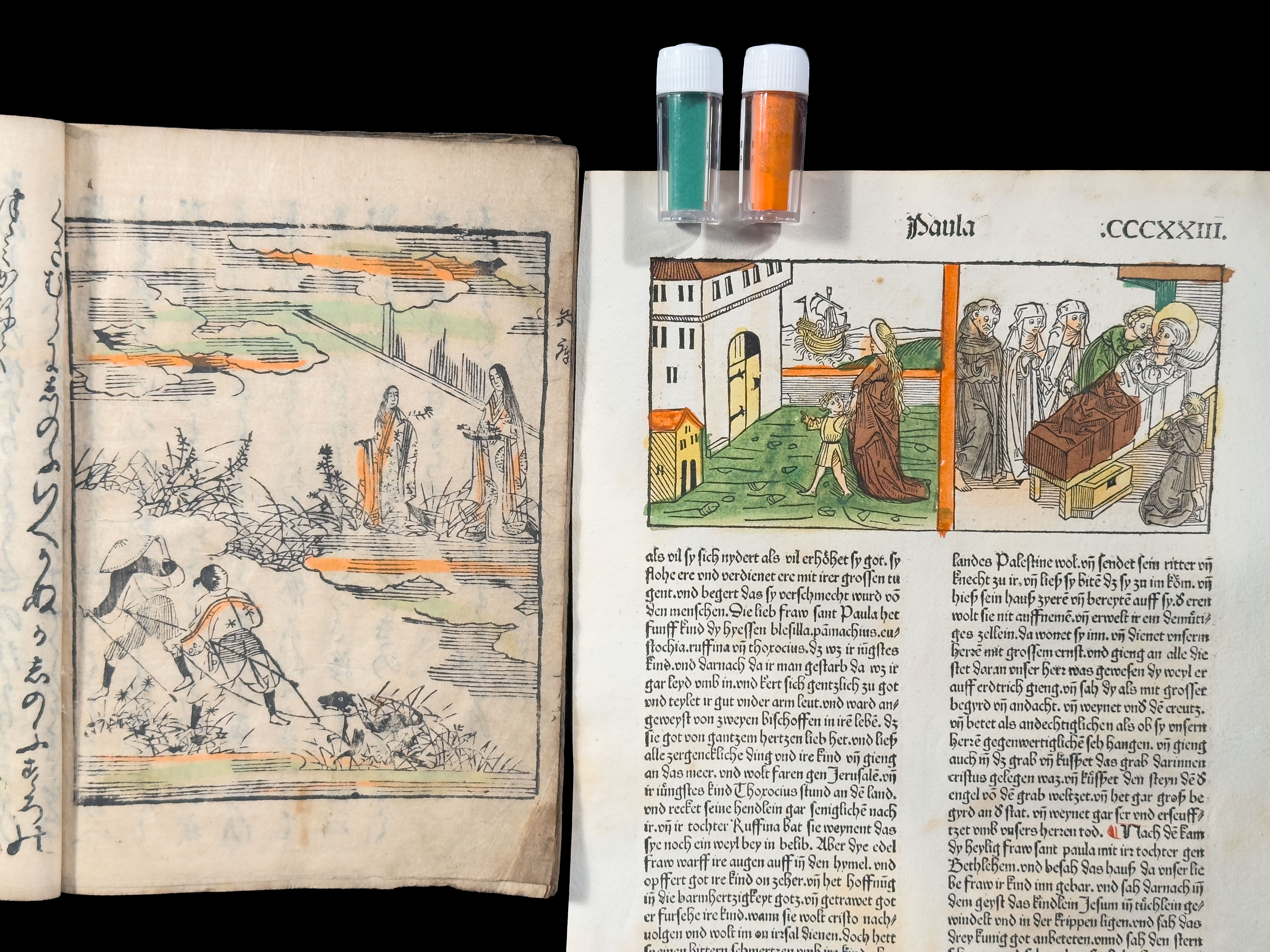 Fig. 1. Pigment samples of verdigris and minium
Click here to take a closer look
Left: Tsukishima つきしま. Early 17th century, tanrokubon, private collection [1] / Right: Jacobus de Voragine, Legenda aurea. Nuremberg: Anton Koberger, 5 December 1488, fol. 323r, private collection/(The Golden Legend) [2]
On the other hand, juxtaposition of the contrasting colours red and blue is a colour pattern typical of European books, found especially in initials (enlarged alphabets at the beginnings of text sections) and other textual elements (Fig. 2). Red was among the earliest colours introduced in bookmaking in Europe, used to highlight particular places of text.
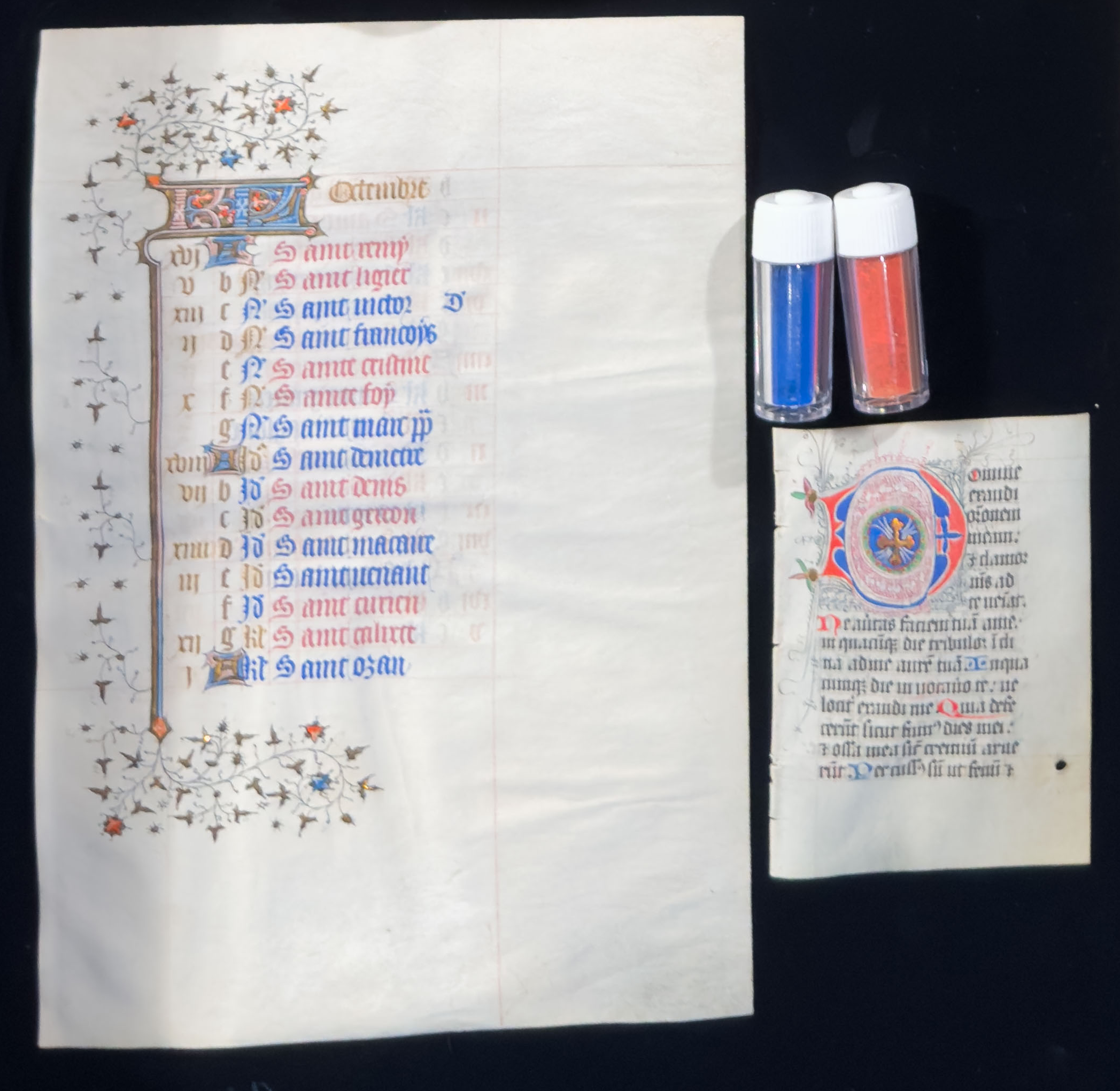 Fig. 2. Pigment samples of azurite and vermilion
Click here to take a closer look
Left: The October page of the Calendar of a Book of Hours from Norther France, 15th century, private collection [3] / Right: A leaf from a Book of Hours from the Northern Netherlands or Germany, first half of the 15th century, private collection [4]
Gold was particularly favoured to embellish a page of a book. As in Japanese books, both powder and leaves of gold were used in European books. Once laid on the surface of a page, gold leaf was burnished to achieve a jewel-like effect. Seen in a photograph, the gold might appear rather plain, but when you turn a page, hold a book in your hand, or view a book under the flickering light of a candle, the gold begins to shimmer. In fact, not only gold but all colours subtly change their hues as we handle a book under light.
Let’s watch the colours coming to life in books in the video.
Books featured in the article
- Tsukishima つきしま. Early 17th century, Tanrokubon, 1 vol, private collection
- Jacobus de Voragine, Legenda aurea. Nuremberg: Anton Koberger, 5 December 1488, fol. 323r, private collection
- The October page of the Calendar of a Book of Hours from Northern France, 15th century, private collection
- A leaf from a Book of Hours from the Northern Netherlands or Germany, first half of the 15th century, private collection
Books featured in the video
- Book of Hours in Latin and French. Langres, c. 1480, Keio University Library, 120X@1338@1
- Book of Hours in Latin. Rouen, c. 1465-80. Keio University Library, 120X@1362@1
- Cicero, De finibus bonorum et malorum. Florence, c. 1450-60. Keio University Library, 120X@1149@2@1
- Book of Hours. Northern Netherlands, first decade of the 15th century, Keio University Library, 170X@61@10@1, P1.17
- Breviary. Loire Valley, c. 1470. Keio University Library, 170X@9@2, Pl.17
- Book of Hours in Latin. Flanders, mid-15th century, Keio University Library, 170X@61@10@2
- Lectionary. South Germany or Austria, mid-15th century, Keio University Library, 170X@64@1
Global Codex: Hidden Stories of Books Across Cultures

Global Codex: Hidden Stories of Books Across Cultures


