
Cholesterol
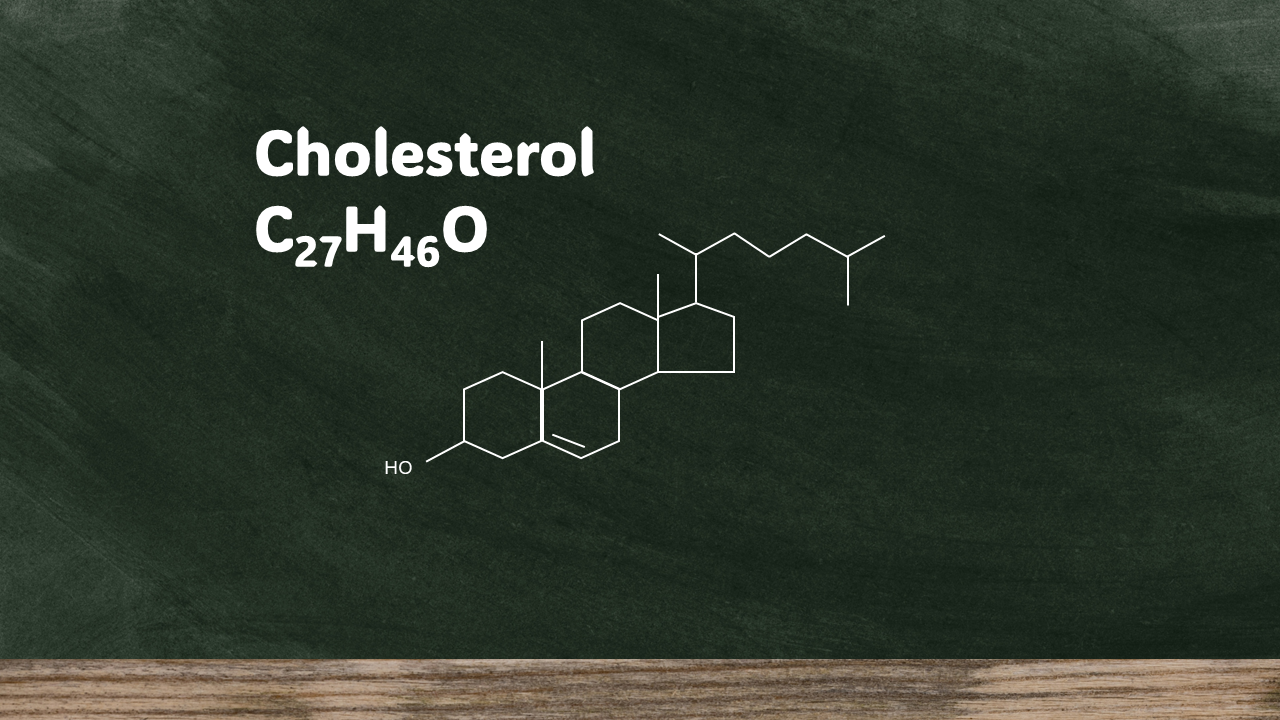
In the UK, modifiable risk factors contribute towards 70% of cardiovascular disease (CVD). This article explores cholesterol and what you can do to lower your risk.
Cholesterol is a natural substance found in the membranes surrounding every cell in your body. We cannot live without cholesterol, but like many things, too much or too little can cause problems. Cholesterol is carried in the blood by lipoproteins; you may have heard of these as LDL (low-density lipoproteins) and HDL (high-density lipoproteins).
- LDL is known as bad cholesterol as too much of it contributes to atherosclerosis (fatty deposits in artery walls), increasing the risk of heart attacks and ischaemic strokes.
- HDL is known as good cholesterol. Higher levels of HDL lower the risk of cardiovascular disease as it carries excess cholesterol to the liver where it is broken down.
High LDL cholesterol is a major modifiable risk factor for cardiovascular disease, contributing to 19% of CVD deaths in the UK. About 50% of adults in the UK are thought to have high cholesterol, increasing their risk of CVD.
How do we measure cholesterol?
Cholesterol levels are measured with a blood test. The NHS1 sets out target levels for the different types of cholesterol:
| Healthy | Unhealthy | |
|---|---|---|
| Total cholesterol | <5mmol/L | >5mmol/L |
| LDL (bad cholesterol) | <4mmol/L | >4mmol/L |
| HDL (good cholesterol) | >1.0mmol/L (men) >1.2mmol/L (women) | <1.0mmol/L (men) <1.2mmol/L (women) |
| Total cholesterol:HDL ratio | <4.52 | >6 |
Although measuring the different types of cholesterol is useful, the ratio of total cholesterol to HDL provides the best predictor of risk of cardiovascular disease and so is used in the QRISK Calculator.
What can you do to lower your risk?
High cholesterol is caused by poor diet, physical inactivity, being overweight, alcohol, smoking, as well as by our genes, some medical conditions and some medications. A significant factor that we can’t avoid is that as we age, the liver becomes less capable of removing bad cholesterol. This means that as we get older, we need to avoid unhealthy saturated and trans fats, eat more healthy fats, and be more active, to keep our cholesterol in the healthy ranges. The Heart Research Institute UK has helpful guidance on which foods to avoid and which foods can help.
Sometimes medications called Statins are prescribed to lower cholesterol levels. These medications have been used for over 40 years and are highly effective, reducing LDL levels by 30-50% and reducing the risk of a heart attack by 25%.3 Like all medications, Statins have some side effects, but interestingly, many of these are also seen in the placebo group in clinical trials.4
You can download the Week 4 supplement, which contains additional images and descriptions to help you understand the topics covered in this step.
All statistics from British Heart Foundation unless cited otherwise. British Heart Foundation (2025) Heart & Circulatory Disease Statistics, 2025 Compendium. [Internet]. London: British Heart Foundation; 2025 [cited 2025 Oct 9]. 183p. Available from: https://www.bhf.org.uk/what-we-do/our-research/heart-statistics/heart-statistics-publications/cardiovascular-disease-statistics-2025
Heart Health: A Beginner's Guide to Cardiovascular Disease

Heart Health: A Beginner's Guide to Cardiovascular Disease





