
Diet
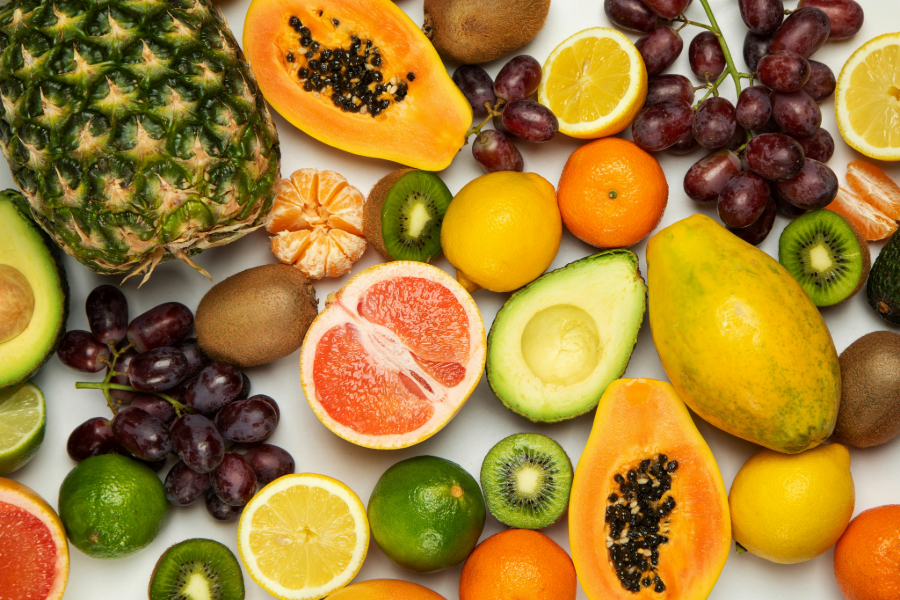
In the UK, modifiable risk factors contribute towards 70% of cardiovascular disease (CVD). This article explores diet as a modifiable risk factor.
Poor diet is thought to contribute to 25% of cardiovascular deaths in the UK. An unhealthy diet is characterised by high dietary intakes of saturated fat, trans fat, and salt, and low intakes of fruit, vegetables and fish.
Fats
Fats are found in the lining (cell membrane) surrounding every cell in the body, they help make some of the hormones (like oestrogen and testosterone), they help us absorb some essential vitamins (like vitamin D), and they give us energy to move and stay warm.1
However, not all fats are the same:
- Healthy fats include monounsaturated fats (MUFA’s) and polyunsaturated fats (PUFA’s). They help maintain healthy cholesterol levels and are thought to be cardioprotective.
- Unhealthy fats include saturated fats and trans fats. These fats raise the LDL (bad cholesterol) level and increase the risk of cardiovascular disease.
| Examples of monounsaturated fats (MUFA’s) | Examples of polyunsaturated fats (PUFA’s) | Examples of saturated fats | Examples of trans fats |
|---|---|---|---|
| Olive oil, grape seed oil, avocado, almonds, cashews, peanuts, peanut butter | Sunflower oil, vegetable oil, flaxseed oil, oily fish, sesame seeds, sunflower seeds | Processed meats such as ham, bacon, burgers and sausages, whole milk, cream, ice cream, butter and hard cheeses, crisps, biscuits, cakes, pastries | Biscuits, cakes, pastries, fried foods, takeaways |
The link between the different fats and cardiovascular risk has been extensively researched, with most data showing that healthy fats can reduce the risk of cardiovascular disease and unhealthy saturated and trans fats increase the risk.2
In particular, oily fish, a great source of PUFA’s (especially omega-3 fats), have been consistently shown to reduce the risk of cardiovascular mortality. Oily fish (including anchovies, carp, trout, mackerel, herring, jack fish, pilchards, salmon (including canned), sardines, sprats, swordfish, tuna (fresh only) and whitebait) contain omega-3 PUFA’s, which help to lower LDL cholesterol, increase arterial elasticity and reduce inflammation, all of which slow down atherosclerosis.3
What can you do to lower your risk?
The NHS4 recommends eating 2 x 140g portions of fish per week, of which 1 portion should be oily fish (for all ages) (ie. 140g oily fish).
In addition to eating more oily fish, the guidance is to reduce the amount of saturated and trans fats we eat, and to eat small amounts of healthy fats.5
The BHF has useful guidance on simple swaps you can make for saturated fats. The recommendations for saturated fats are <30g for men and <20g for women; it’s lower for trans fats, at <5g/day. 5 We suggest options such as cooking with vegetable oils rather than animal fats; swapping your ham and cheese sandwich for oily fish; swap burgers and sausages for lean meats, poultry or fish; swap crisps, cakes and biscuits for fruit, nuts or home-made scones.
Salt
Salt (sodium chloride) is vital for life, helping our kidneys regulate the amount of water in our blood. Sodium pulls water into our blood vessels, helping to maintain our blood pressure. Too little and we might feel faint, too much increases our blood pressure. 6
It’s well established that excess salt intake is linked to high blood pressure, and that reductions in salt intake can reduce blood pressure and cardiovascular disease risk.7
The NHS8 recommends that people aged 11 years and over should not exceed 6 g salt per day. The WHO9 suggests we should not exceed 5 g per day.
The average salt intake in England is estimated to be 8.4g/day, exceeding the recommended maximum of 6g/day.10 High levels of salt are found in many foods, often in unexpected items, and it soon adds up!
Equivalent amounts of salt (about 0.25g):
- 1 small bag of crisps – 0.25g / 26g bag
- 1 portion of corn flakes – 0.34g / 30g portion
- 2 slices of bread – 0.12g/slice
- 1 slice of ham – 0.17g/slice
- ½ slice of cheese – 0.45g/slice (25g)
- 1 slice of pizza – 0.3g/slice
- 1 tablespoon of French dressing – 0.24g/tablespoon
- 1/8th of a can of soup – 2g/can
- 1/10th of a can of baked beans – 2.6g/can
What can you do to lower your risk?
Check food packaging to see how much salt is in your food and choose low salt options where possible. Instead of adding salt to food you are cooking, try swapping it for herbs and spices.
Fruit and vegetables
7 in 10 adults in the UK do not consume the recommended minimum five portions of fruit and veg per day.
The scientific evidence behind the recommendations for consuming fruit and veg is well established and includes studies such as the Harvard-based Nurses’ Health Study and Health Professionals Follow-up Study, which are huge ongoing studies of over 100,000 women and men, whose dietary habits have been followed since the 1980’s. More recent analysis of the ongoing data collected shows that consuming 5 servings a day reduces the risk of dying from cardiovascular disease by 12%, with minimal benefits beyond 5 servings.11 Taken in combination with other dietary recommendations, these benefits soon add up.
Although all fruit and vegetables are likely to contribute to these benefits, they may help in different ways, highlighting the importance of variety in our diet12:
- Green leafy vegetables, such as lettuce and spinach – contain many vitamins (some slow down atherosclerosis), fibre (helps lower cholesterol), potassium (lowers blood pressure13) and dietary nitrates (may lower blood pressure14).
- Cruciferous vegetables, such as broccoli and cauliflower – contain many vitamins (some slow down atherosclerosis), glucosinolates (a type of phytochemical that reduces inflammation, slows atherosclerosis, help regulate cholesterol15).
- Citrus fruits, such as oranges and lemons – vitamin C (acts as an antioxidant, helping to slow down atherosclerosis), flavonoids (lower blood pressure, improve sugar regulation, reduce inflammation16), fibre (helps lower cholesterol).
What can you do to lower your risk?
The WHO17 recommend thats everyone over 11 years should consume at least 5 portions (80g or medium servings) of fruit and vegetables per day.
To put this in practice, the NHS18 suggests these should be varied and can be fresh, frozen, dried, or tinned. Potato doesn’t count, but fruit juice does (limited to only 1 portion per day to avoid tooth decay). Our tip is to try to include different items in each meal, getting off to a good start with breakfast (e.g. berries and a fruit juice with breakfast, carrots and salad with lunch, broccoli and peas with dinner).
Surprisingly one of the foods shown to reduce cardiovascular mortality the most is chocolate!2
You can download the Week 4 supplement, which contains additional images and descriptions to help you understand the topics covered in this step.
All statistics from British Heart Foundation unless cited otherwise (see References PDF). British Heart Foundation (2025) Heart & Circulatory Disease Statistics, 2025 Compendium. [Internet]. London: British Heart Foundation; 2025 [cited 2025 Oct 9]. 183p. Available from: https://www.bhf.org.uk/what-we-do/our-research/heart-statistics/heart-statistics-publications/cardiovascular-disease-statistics-2025
Heart Health: A Beginner's Guide to Cardiovascular Disease

Heart Health: A Beginner's Guide to Cardiovascular Disease





