
Phenomenon-Based Learning
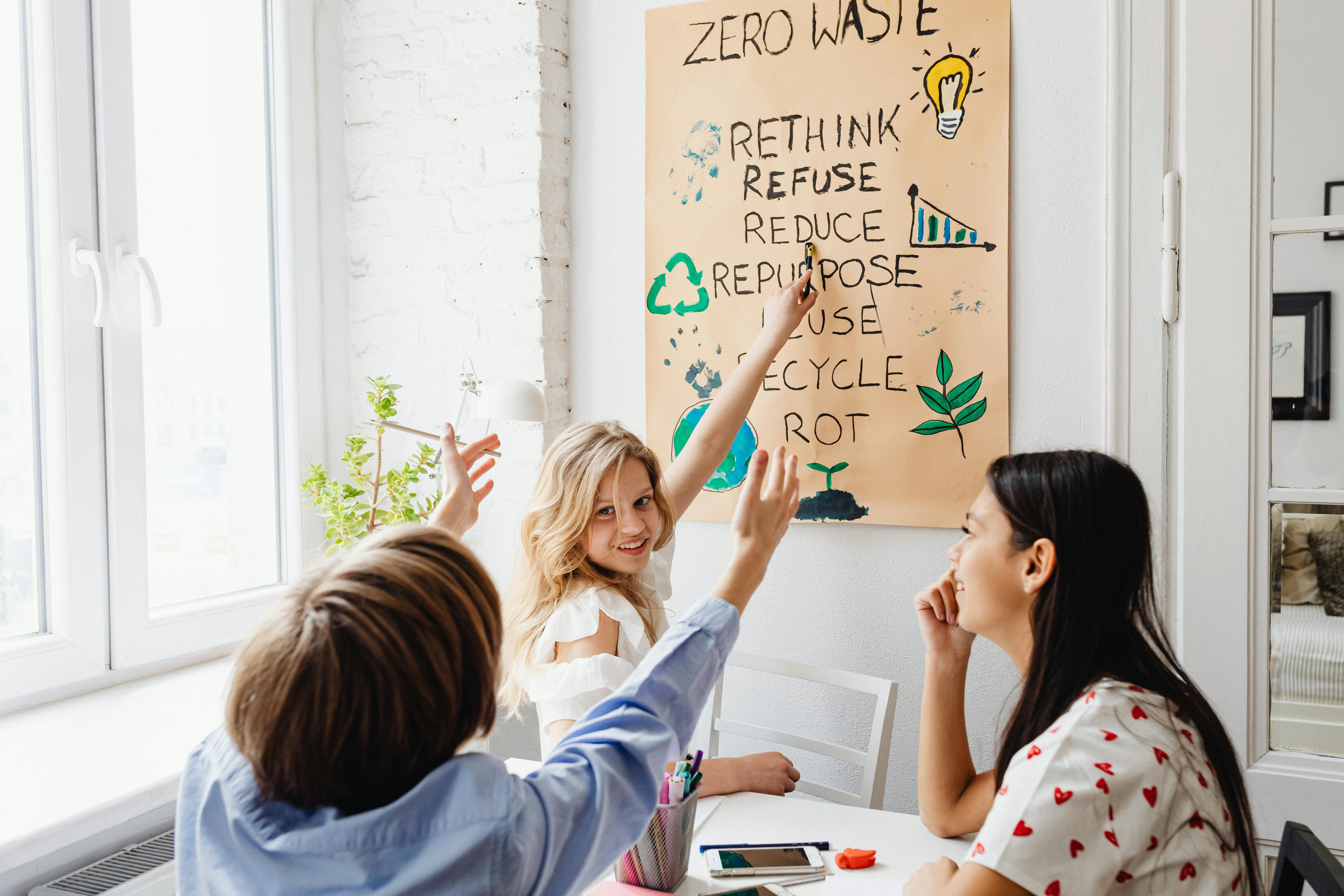
Rather than organising learning by subject, phenomenon-based learning starts with real-world topics or problems. Students explore these topics from multiple perspectives, drawing on knowledge and skills from different disciplines.
At its core, this approach emphasises:
- interdisciplinary learning
- real-world relevance
- student inquiry and agency
For example, a project on climate change might involve:
- scientific understanding of environmental systems
- data analysis and interpretation
- persuasive writing or communication
- ethical and social considerations
Through this kind of learning, students are not just acquiring knowledge in separate subjects. They are applying and combining skills in meaningful ways. This makes something important more visible, learning is connected. Skills are not developed in isolation. They build across subjects, projects, and experiences, often reinforcing each other over time.
This aligns closely with the broader global shift we explored earlier. Frameworks from organisations such as the OECD and the World Economic Forum emphasise the importance of transferable, interdisciplinary capabilities. Phenomenon-based learning shows what this can look like in practice.
However, even in these richer learning environments, the same challenge can remain. Students may still:
- focus on completing the task
- underestimate the skills they are developing
- struggle to describe what they can do
This brings us back to the central idea that learning can be cumulative, but it is not always visible. To explore this approach further, read the resources in the related links to find out more about how phenomenon-based learning.
Points to consider
Where might interdisciplinary or connected learning already be happening in your context, either by deliberate design or through everyday classroom practice?
Lifelong Learning: Recognise and Articulate School Skills

Lifelong Learning: Recognise and Articulate School Skills





