
What counts as learning and what is recognised?
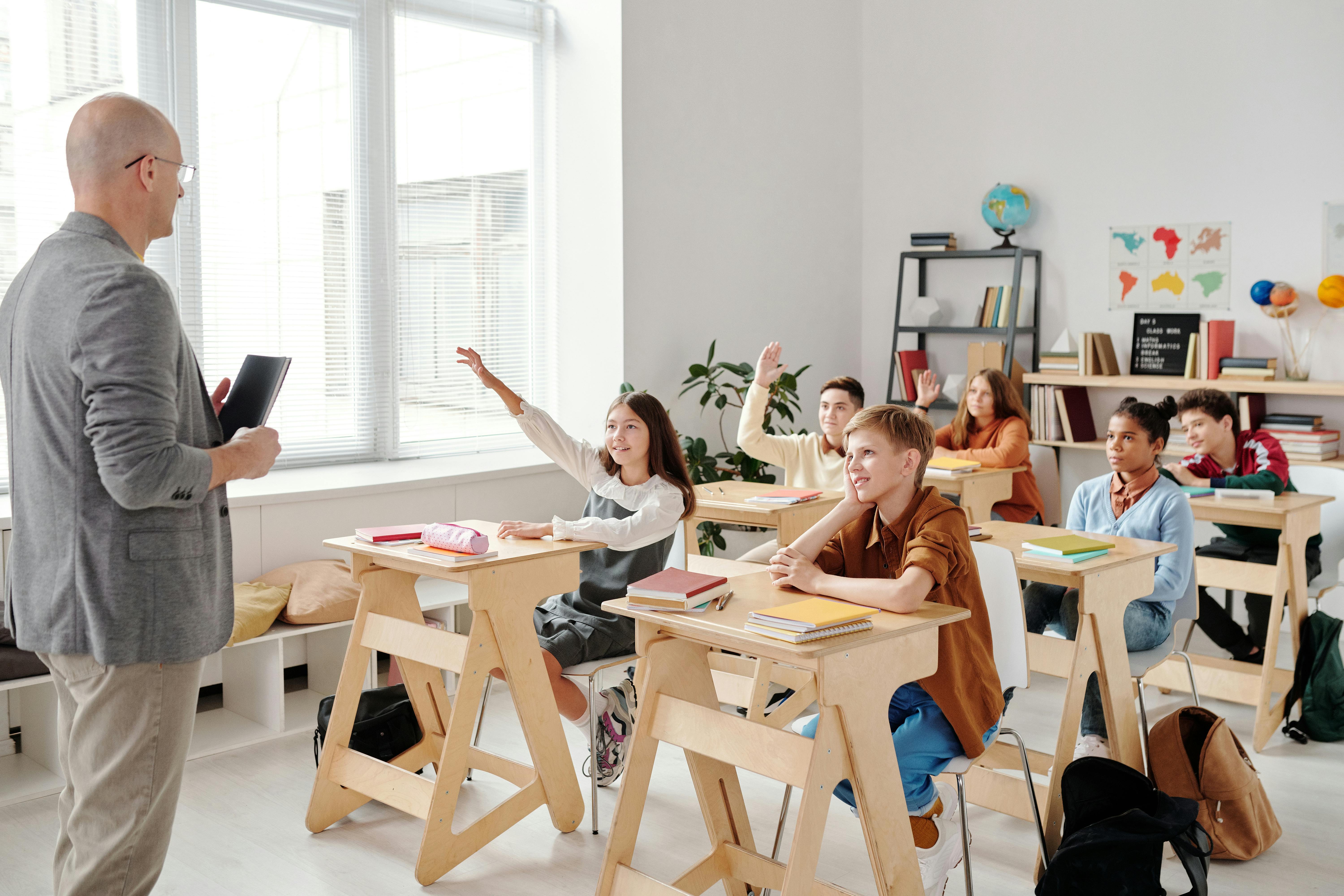
Think about a typical lesson. Students are working on a task. Some are collaborating, some are stuck, some are revising their work after feedback. You move around the room, checking in, guiding, prompting, encouraging.
At the end, the work is submitted. It might be graded, discussed, or used to move into the next topic. That’s the visible part of learning. But if you pause for a moment and look a little more closely, there’s something else going on:
- A student negotiating roles in a group is learning how to collaborate.
- Another who keeps trying after getting something wrong is building persistence.
- Someone refining their work based on feedback is developing self-regulation.
None of that sits neatly in the final product, but it’s still learning and it’s happening all the time. We might think of this as an unseen layer of capability, the skills that sit just beneath the surface of everyday classroom activity.
They’re not separate from the task. They’re woven through it. When students complete a project, they’re not just demonstrating subject knowledge. They’re also:
- organising their thinking
- managing their time
- responding to challenges
- making decisions
These are human capability skills. And they are being built lesson by lesson, often without much attention being drawn to them. Smart Schools Trust describes these as “secret skills”, the things students learn without necessarily realising it themselves. But perhaps they’re not really secret. They’re just not talked about enough.
This is where the idea of #AllLearningMatters becomes important.
If we only focus on what is assessed or graded, we miss a large part of what students are actually learning. We see the outcome, but not always the capability behind it. And over time, that shapes how students see themselves.
A student might complete task after task and still think: “I’m not very good at this”, because they’ve never been helped to notice what they are getting better at, not the content, but the capability. This is the gap, in visibility and recognition.
The learning is there and the skills are there, but they aren’t always named, connected, or understood. And when that happens, students can miss the bigger picture of their own progress. We don’t need more content or tasks, rather we need to make this unseen layer a bit more visible. To say:
- what skills are being used
- how they are developing
- where they might be used again
Because when students begin to see this, something changes. Learning stops being something they complete, and starts becoming something they understand and can carry forward. If the skills developed through learning are not recognised, they are often undervalued, even when capability is clearly developing.
Points to consider
Where might this unseen layer of skill development already be present in your classroom, but not yet fully visible?
Lifelong Learning: Recognise and Articulate School Skills

Lifelong Learning: Recognise and Articulate School Skills





