
Comparing skills frameworks
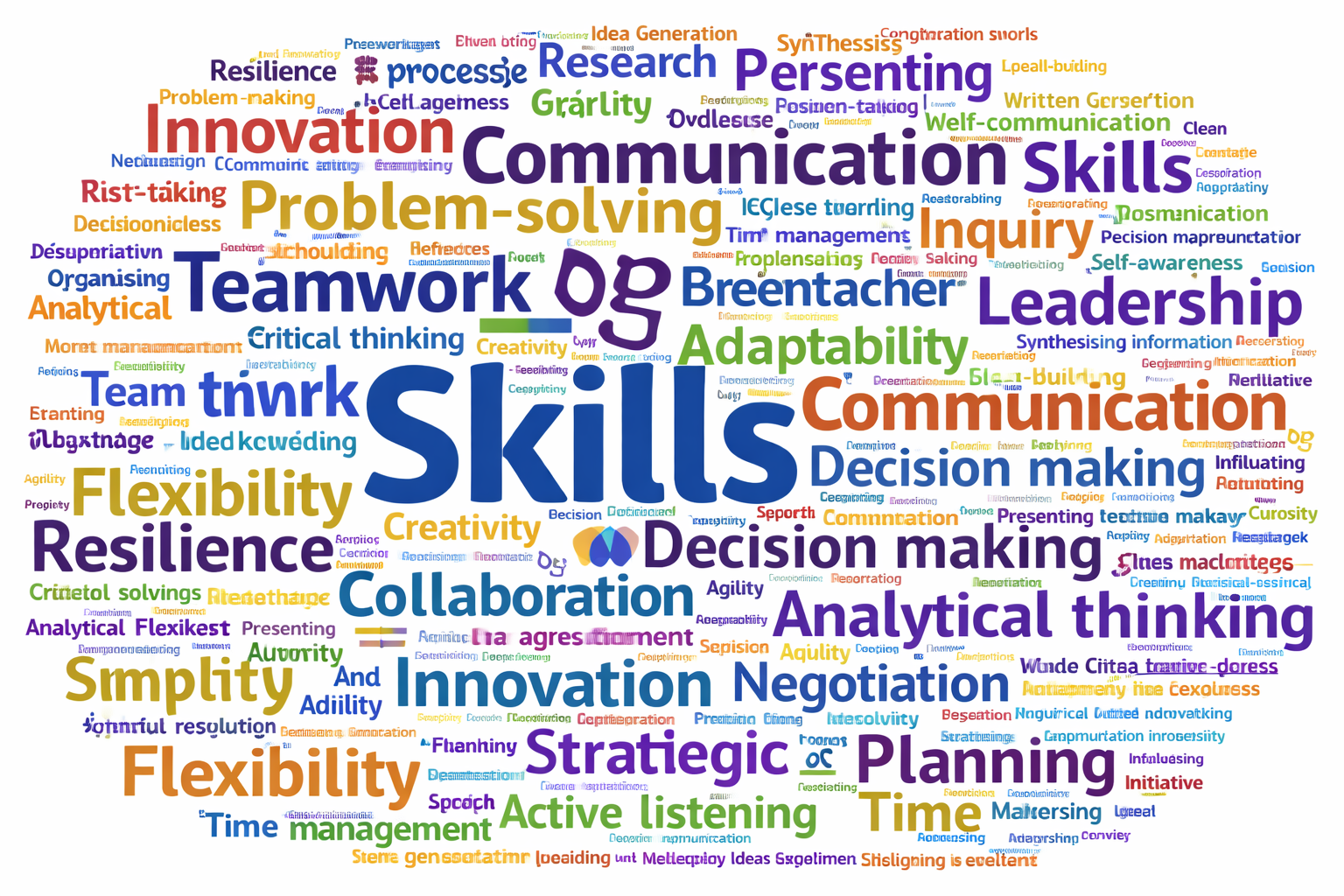
Across the world, there is growing agreement that education needs to do more than deliver subject knowledge. Teachers are increasingly expected to develop broader capabilities such as collaboration, communication, critical thinking, and self-management to make students “job-ready”.
These ideas are often captured in skills or capability frameworks and you may already be working with one. In Australia, for example, this might include the ACARA General Capabilities, the SACE Learner Profile, or approaches such as Melbourne Metrics.
Globally, similar ideas appear in frameworks from organisations such as the OECD and the World Economic Forum.
Different language, similar capabilities
At first glance, this can feel complex, different frameworks, different language, different structures. However, many of these frameworks are describing the same underlying skills, just using slightly different words.
For example:
- one framework might refer to collaboration
- another to teamwork
- another to working with others
Similarly: critical thinking vs. analytical thinking vs. problem-solving
Or: communication vs. expressing ideas vs. presenting information clearly
The language varies, but the capability is often very similar.
Ms Rivera encounters this regularly. She is familiar with her school’s framework, but also comes across others through professional learning, policy documents, or system requirements. At times, it can feel like she is being asked to work with multiple different sets of language, each describing slightly different things.
But she realises there are patterns. Many of these frameworks are pointing to the same core capabilities, just described in different ways. Instead of seeing frameworks as competing or confusing, she begins to see them as different lenses on the same underlying skills.
From framework to classroom
- competing priorities and limited time to allow for understanding
- varying levels of familiarity with different frameworks
- the gap between formal language and everyday classroom language
Ms Rivera recognises this tension. She is already doing the work of developing these capabilities in her students. What she is looking for is not more content, but a clearer way to name and describe what is already happening.
Making frameworks more usable
One of the tactics is not to memorise framework language, but to interpret it. This might involve:
- identifying the common capabilities across different frameworks
- simplifying language so it is meaningful to students
- connecting framework terms to real classroom activities
For example:
- collaboration becomes working together and building on each other’s ideas
- critical thinking becomes comparing options and explaining choices
- communication becomes explaining your thinking clearly
Being able to recognise, describe, and apply skills in context is a critical component of skills literacy. As this develops, you will begin to:
- recognise common skills across different frameworks
- simplify and translate skills language
- use that language more consistently with students
Straightforward, consistent language supports understanding and makes skills easier to recognise across subjects, classrooms, and contexts.
AI Tip
You can use AI to help translate skills language across different frameworks and into everyday classroom language.
Ask AI to take a formal term, such as “critical thinking” or “collaboration,” and rewrite it in ways that are easier for students to understand and use.
You can also ask AI to:
- compare similar terms across different frameworks
- simplify formal language into student-friendly descriptions
- analyse your unit plan or lesson plan and identify the human capability skills that are already present and suggest ways to include or enhance skills in your planning[
- generate examples of what a skill looks like in practice in the classroom, community or industry
- rephrase skills in language suitable for interviews or real-world contexts
- suggest ways students could reflect on and share the skills they are developing
A simple prompt to try:
“Here are some different terms for a skill: collaboration, teamwork, working with others. Can you explain how they are similar and rewrite them in simple, student-friendly language with examples? Students are at Year level 10”
Remember, AI is there to support your thinking, not replace it. Use it to explore different ways of expressing skills, then choose the language that works best for your students and context.
Lifelong Learning: Recognise and Articulate School Skills

Lifelong Learning: Recognise and Articulate School Skills





