
Exploring the WEF Education 4.0 Future-ready skills
So far, you’ve explored how different frameworks describe similar capabilities, often using different language.
The World Economic Forum’s Education 4.0 framework brings many of these ideas together into a single, structured view of what learners need to thrive in a changing world. If you’d like to explore the full report, you can access it here: Defining Education 4.0: A Taxonomy for the Future of Learning
A framework for future-ready learning
The Education 4.0 taxonomy organises learning into three broad areas:
- Abilities and skills
- Attitudes and values
- Knowledge and information
Together, these reflect not just what students know, but how they think, how they work with others, and how they engage with the world.
Within this, there is a strong emphasis on skills such as:
- creativity and critical thinking
- collaboration and communication
- problem solving and adaptability
- empathy, curiosity, and global citizenship
These are the kinds of skills that consistently appear across many frameworks, and increasingly, in how we describe “future-ready” learners.
More than individual skills
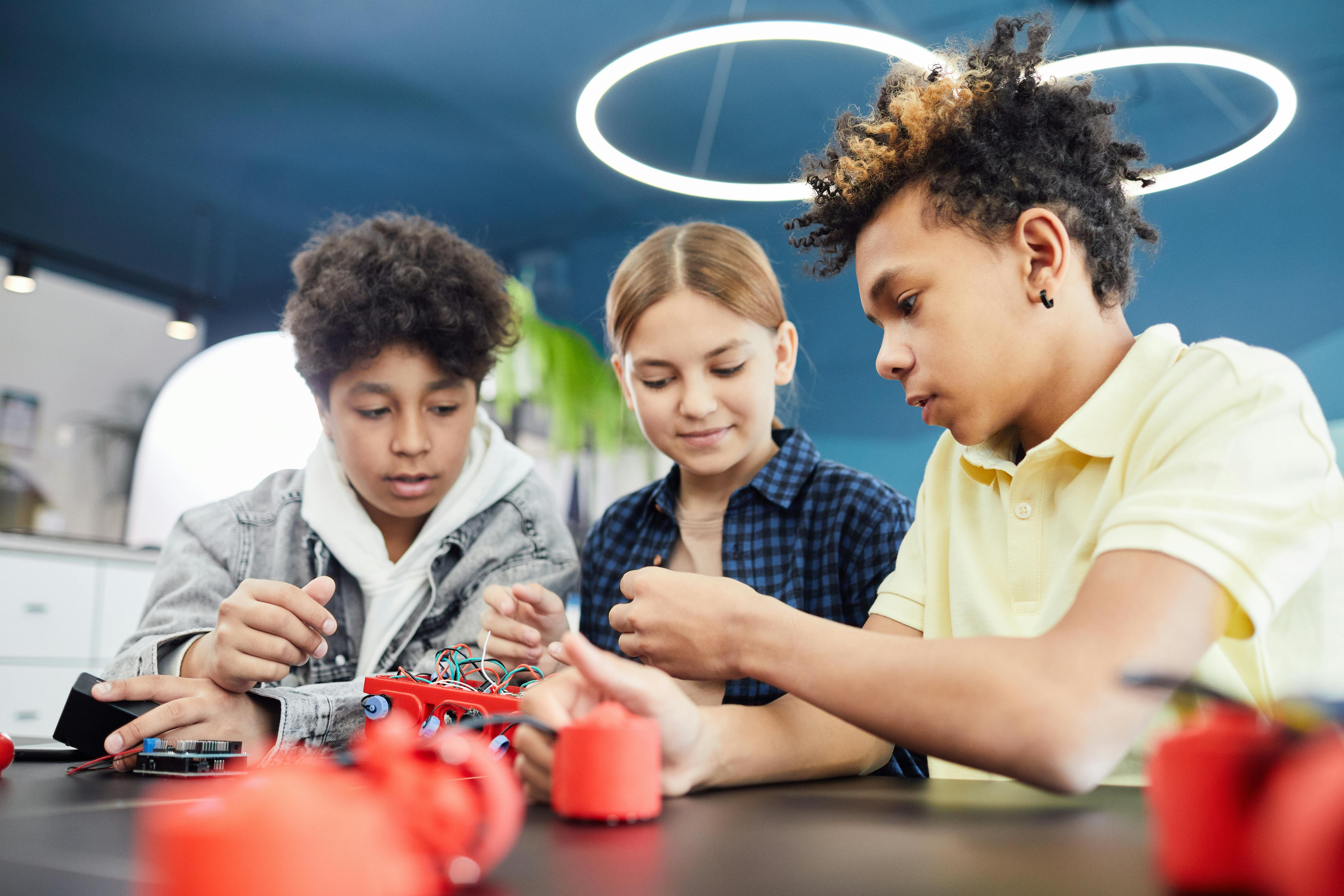
One of the most useful ideas in the Education 4.0 framework is that these skills are not developed in isolation. They are developed through real tasks and experiences. For example, when students work on a project such as designing an app or solving a real-world problem, they are not just learning one skill. They are drawing on multiple capabilities at once:
- problem solving
- collaboration
- communication
- creativity
These skills are applied together, often without being explicitly named.
Learning experiences matter
The framework also highlights the kinds of learning experiences that support these capabilities. These include:
- personalised and self-paced learning
- problem-based and collaborative learning
- inclusive and accessible learning
- lifelong and student-driven learning
These approaches may already feel familiar, as many teachers are already using elements of these in their classrooms. The difference is often not in the activity itself, but in how the learning is recognised and described.
A useful lens, not another layer
Like other frameworks, Education 4.0 is not something that needs to be implemented as a separate system. Instead, it can be used as a lens to, recognise what is already happening, connect classroom practice to broader capabilities and support more consistent language about skills
Points to consider
As you look at this framework and the examples of learning experiences:
- Which skills feel most familiar in your context?
- Which feel less visible in everyday classroom language?
The language may vary, but the underlying capabilities are often already present. The opportunity is to notice them, name them, and make them more visible in existing learning activities.
Lifelong Learning: Recognise and Articulate School Skills

Lifelong Learning: Recognise and Articulate School Skills





