
Why Reflection Makes Skills and Capability Visible
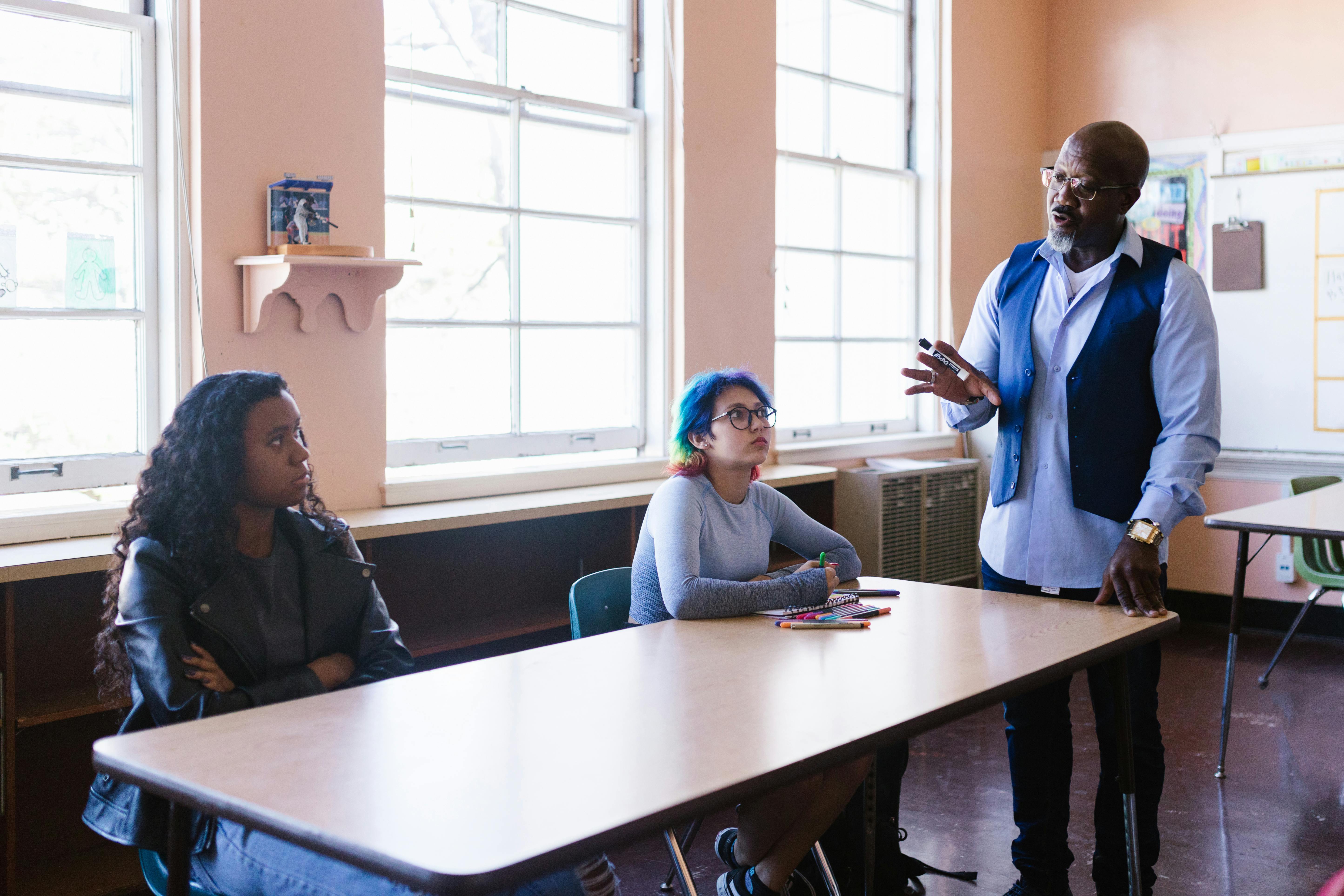
When Aisha reflected on her project, nothing about the task changed. What changed was how she was asked to think about it. Instead of describing what she had done, she began to describe how she approached it, what she adjusted, and what she could now do.
Learning and Capability
In classrooms, we often see the learning process.
- Students are working through tasks.
- They are trying things out.
- They are making mistakes, adjusting, improving.
But much of that process remains invisible once the task is finished. What stays visible is the outcome, the completed project or the submitted work.
Reflection creates the bridge between learning, knowledge and capability. It helps move from what was done, to what was understood, and ultimately to what can now be demonstrated and applied.
This is the distinction:
- Learning is the process.
- Knowledge is what students come to know.
- Capability is what they can do and how they apply it.
For example, in a team project exploring how the internet has changed communication:
- Learning is the process of researching, discussing ideas, and creating a presentation together
- Knowledge is understanding how communication has evolved, and concepts like speed, reach and audience
- Capability is being able to analyse how communication has changed, compare different examples, work with others to develop ideas, and present a clear explanation of those changes to an audience.
Without reflection, this might stay as:
We completed a group project on communication.
With reflection, it becomes:
I analysed how communication has changed over time, worked with others to develop ideas, and presented a clear explanation of our findings.
Making Thinking Visible
This idea connects closely to the work of Harvard Project Zero, which explores how learning becomes more powerful when thinking is made visible. The focus is not on adding more content, but on making the thinking that already exists more explicit.
When students are asked to explain:
- what they noticed
- what they changed
- why they made certain decisions
they begin to surface the thinking behind their work. This is where skills and capability become easier to see. Not because something new has been added, but because what was previously implicit is now visible. Reflection doesn’t create new learning, it makes existing skills and capability visible. And that visibility is what enables recognition.
Why Prompted Reflection Works
Prompted reflection builds on practices many teachers already use, but with a more explicit focus on surfacing skills and capability.
Prompted reflection creates a deliberate pause in the learning process. It gives students the chance to go back over what happened, to think about the decisions they made along the way, and to notice what has actually changed in their understanding or approach.
Without that pause, these moments often pass unnoticed. Students complete the task and move on.
With reflection, those same moments become visible. They shift from something that was done to something that can be recognised, explained, and used as evidence of capability.
From Experience to Evidence
Think back to Aisha. She didn’t suddenly develop new skills at the point of reflection. She had already demonstrated them during the task. What reflection did was help her recognise those skills, describe them and connect them to what she can do.
This is a critical step. Because skills that are not recognised or articulated are difficult to use, transfer, or communicate.
A Small Shift in Practice
Importantly, this doesn’t require a major change to teaching or the reflective practice that you might already use. Teachers are already highly skilled at supporting reflection in their classrooms.
What shifts here is the focus of that reflection.
Rather than reflecting only on the task or the outcome, this approach places more emphasis on the skills and capability that are developing through the process.
It can start with small, consistent prompts:
- What did you do when something didn’t work?
- What did you change, and why?
- What can you do now that you couldn’t do before?
These kinds of questions help students move beyond describing tasks and begin to show capability.
In the next step, you’ll explore a simple reflection routine that can be used regularly in your classroom. A way to make these moments of learning more visible, so they don’t get lost once the task is complete.
Lifelong Learning: Recognise and Articulate School Skills

Lifelong Learning: Recognise and Articulate School Skills





