
Practice: Write a capability statement
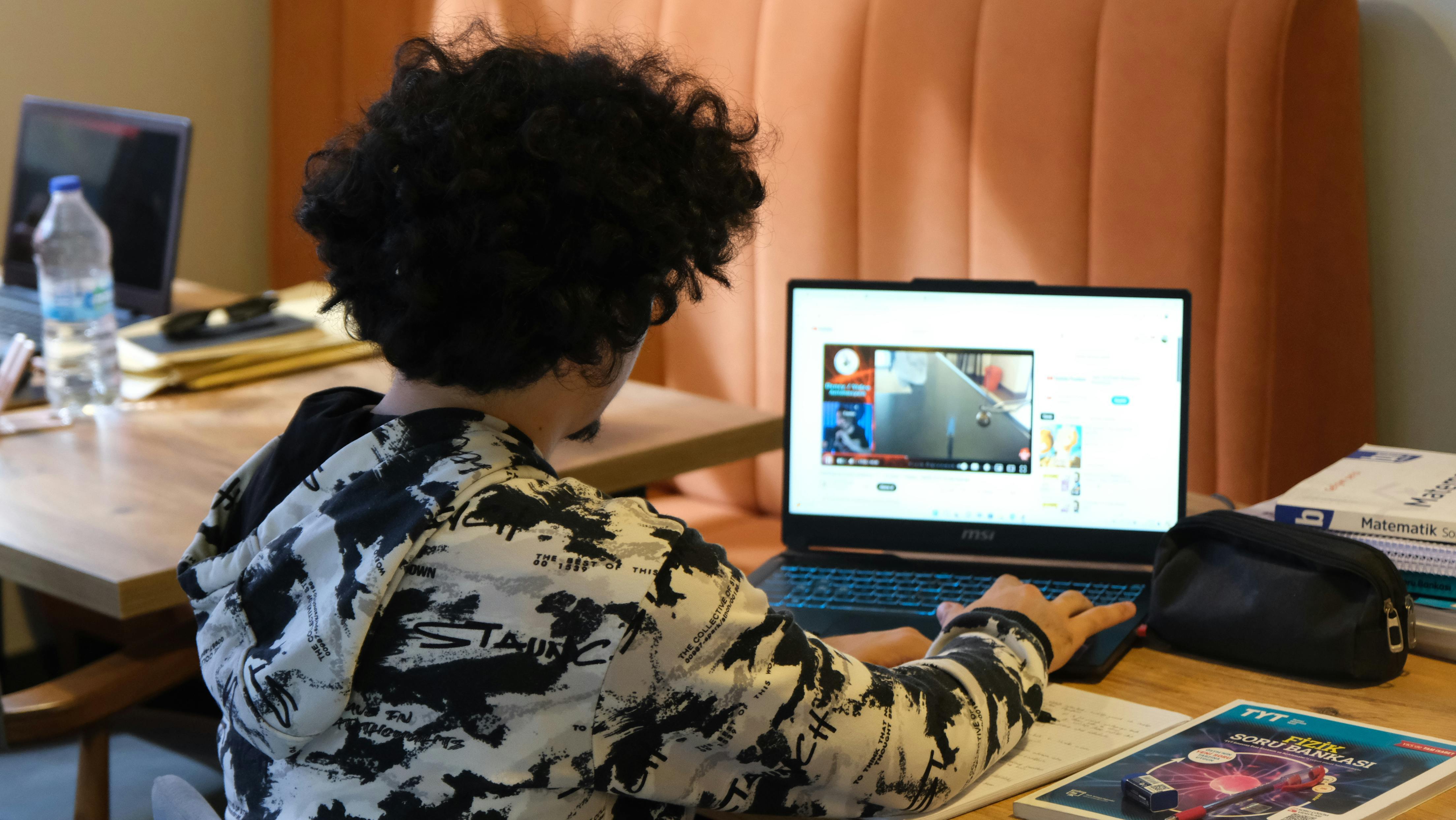
SkillSTAR can help us build detailed evidence. A capability statement helps us communicate it. The capability statement is a format you can use with your own students to help them recognise and communicate what they can do. In this step you will have a go at writing one for yourself
A capability statement is a concise way of communicating what someone can do. It goes beyond describing a task to making a clear and credible statement about capability.
This is the kind of evidence that can be:
- shared beyond the classroom
- included in a portfolio
- or contribute to a broader record of learning over time
This is a tool you can use with your own students to help them recognise and communicate what they can do. In this step you will have a go at writing one for yourself
An example – Ms Rivera’s capability statement for digital capability
One of my strong skills is digital capability. I use digital tools to support student learning. In my Year 8 class, I regularly integrate online platforms to design activities that help students collaborate, share their ideas, and receive feedback.During a recent class, I used a shared digital workspace where students could post their responses, comment on each other’s work, and revise their thinking over time. My goal was to create a more interactive learning environment and give students more opportunities to engage with both the content and each other.I set clear expectations for how students would use the platform, modelled how to give constructive feedback, and monitored their contributions so I could respond and guide learning as needed. I also adapted the tasks based on what I could see in real time, providing additional support where students were struggling.As a result, students became more active participants in the lesson and more confident using digital tools to communicate their ideas. I was able to gain better insight into their understanding and adjust my teaching more effectively. Over time, I have strengthened my ability to use digital tools in purposeful ways to support engagement and learning.
Your turn
Name the skill
Think about something that you do well and then think about what skills you are using when you do that. (There is a list and descriptors of some common skills below if you need a little help.)
Describe the situation and action
Where were you and what were you doing when you used that skill? What were you trying to achieve or get done? What tasks did you need to do?
Tell us what happened
Describe the impact and result? What got finished, changed, improved or dropped and what did you learn?
The goal is to write this in a way that you care share with others to enable the to understand and trust what you can do.
Share your capability statement
Share your statement in the comments below and take a little time to review other statements and consider:
- Is the evidence clear enough to understand?
- Does it show what the person can actually do?
- Would you trust this as an indication of their capability?
Leave some feedback, you might suggest:
- one way to make the evidence more specific
- one way to strengthen the connection between evidence and capability
- one small addition that would increase trust
And remember the goal is not perfectly polished words. It is to make capability visible in a way that others can both understand and trust and the more we practice talking about skills and capability the more fluent we become.
AI Tip
Use AI to help you draft and experiment with language. You can speak to AI and explain your capability statement in informal language then analyse and convert it to a formal statement. you can offer this as an option for your students as well.
You can also ask AI to:
- simplify your wording
- make your example more specific
- highlight the skill more clearly
- or suggest stronger action and result statements
A simple prompt to try: “Here is my capability statement. Can you rewrite it to make the skill, actions, and impact clearer and more specific?”
Remember, AI is there to support your thinking, not replace it. Use it to explore different ways of expressing what you can do, then work on the version that feels most like you.
Some skills – for reference
You may wish to draw on or adapt the following:
Problem-solving
Identifies challenges, tests approaches, and adapts strategies to reach a solution.
Critical thinking
Evaluates information and perspectives to make informed and reasoned judgements.
Analytical reasoning
Interprets information, identifies patterns, and draws conclusions to inform decisions.
Communication
Conveys ideas clearly and effectively for a specific purpose and audience.
Collaboration
Works with others, contributing ideas and responding to input to achieve a shared outcome.
Adaptability
Adjusts approach in response to change, feedback, or new information.
Self-management
Plans, monitors, and reflects on progress to achieve goals independently.
Digital capability
Uses digital tools and environments to create, communicate, and solve problems effectively.
Lifelong Learning: Recognise and Articulate School Skills


Lifelong Learning: Recognise and Articulate School Skills





