Arabisation: The case of post-independence Algeria
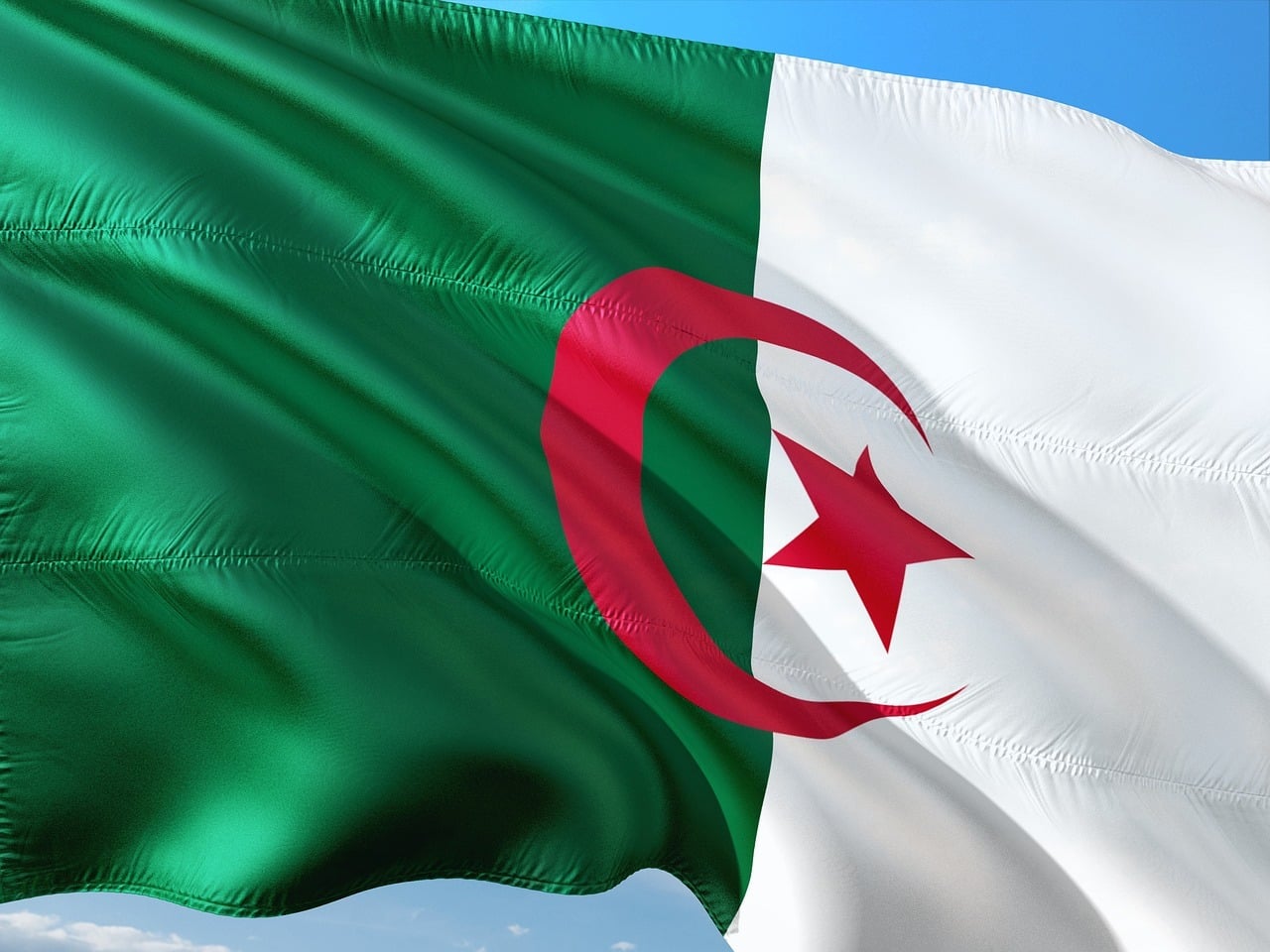
From 1830 to 1962, Algeria was subject to French rule, during which a policy of “Francisation” sought to supplant local languages with French.
The brutal Algerian War of 1954-1962 saw Algeria win its independence, prompting a renewed desire to promote Arabic. In his inaugural address on 5th July 1963, Algeria’s first president, Ahmed Ben Bella declared:
“We are Arabs, Arabs, 10 million Arabs…the only future for this country is in Arabism.”
“Arabic is the national and official language. The state works to spread its official use.”
However, French remained prominent in certain sectors. Until the 2020s, French remained the language of teaching and scientific disciplines in secondary and higher education. This created a duality whereby French was used to transmit knowledge and Arabic for informal class discussions. From 2004, French was re-introduced from the third year of primary school rather than the fourth. For Oudjedi-Damerdji and Benamar (2020), this was a “capitulation” of the policy of total Arabisation. This is part reflected the acknowledgement by President Abdelaziz Bouteflika that French afforded opportunities to Algerian youth at the 2002 Francophone Summit. Indeed, between 2018 and 2023, the number of Algerian students in French universities rose by 30%, reflecting French’s continued role in educational and social mobility.
Arabisation also faced criticism. Writer Kateb Yacine considered French a “spoil of war” that shouldn’t be returned to the French at the end of hostilities. In a 2024 essay entitled “Le français, parlons-en !” (French, let’s talk about it!) French-Algerian author and outspoken critic of Arabisation, Boualem Sansal, described language as “the cornerstone of the nation’s symbolic edifice” and lamented that defending French in Algeria was viewed as outdated.
Arabisation also affected Berber (Amazigh) communities who make up 15-30% of the population (Central Intelligence Agency, 2025; Minority Rights Group, 2023) and speak Tamazight languages. Tamazight was banned at conferences in the 1980s and saw a considerable decline. This wasn’t reversed until 2002 when it was recognised as a second national language and in 2016 when a constitutional amendment made it “equally the national and official language.” (Minority Rights Group, 2023).
Is French a “dead language” in Algeria?
French remains deeply embedded in Algeria’s cultural and social fabric. With around 15 million speakers, it has the third largest francophone population in the world. However, its future in Algeria is less secure than this figure suggests. Since the Covid-19 pandemic, French-language media consumption has dropped sharply and, in 2022, President Abdelmadjid Tebboune declared a preference for English, describing French as a “dead language.”
A marked shift in policy followed: English became compulsory from the third year of primary school and private schools could no longer teach the French curriculum. In 2025, French financial aid to these schools was cut, breaking a long tradition of French influence over the Algerian education system. In the same year, French was replaced with English as the language of instruction for medicine and pharmaceutical university courses. Air Algérie, the Algerian Football Federation and the Algiers Water and Sanitation Society (SEAAL) are increasingly using English or Arabic for official communications.
The efforts to reduce the role of French in Algeria was dramatically described by a Le Figaro journalist as akin to “linguicide” (Daoud, 2025), echoing President Tebboune’s sentiment that French is a dead language. The large population of Algerian French-speakers suggests that this is not the case, but continued Arabisation and the rising prominence of English certainly bring into question the future of French in Algeria.
References
Central Intelligence Agency. (2025). Algeria. In The world factbook. https://www.cia.gov/the-world-factbook/countries/algeria/#people-and-society
Daoud, K. (2025). Kamel Daoud : « Le français est immortel parce que… ». Le Point. https://www.lepoint.fr/debats/kamel-daoud-silence-on-tue-la-langue-francaise-18-04-2025-2587620_2.php
Minority Rights Group. (2023). Algeria. https://minorityrights.org/country/algeria/
Oudjedi-Damerdji, A., & Benamar, R. (2020). Du français courant au français de spécialité en Algérie. État des lieux. Synergies Algérie, (28), 135-147.
RFI. (2024). Arrestation à Alger de l’écrivain franco-algérien Boualem Sansal. RFI. https://www.rfi.fr/fr/afrique/20241121-arrestation-%C3%A0-alger-de-l-%C3%A9crivain-franco-alg%C3%A9rien-boualem-sansal