Case study: Belgium
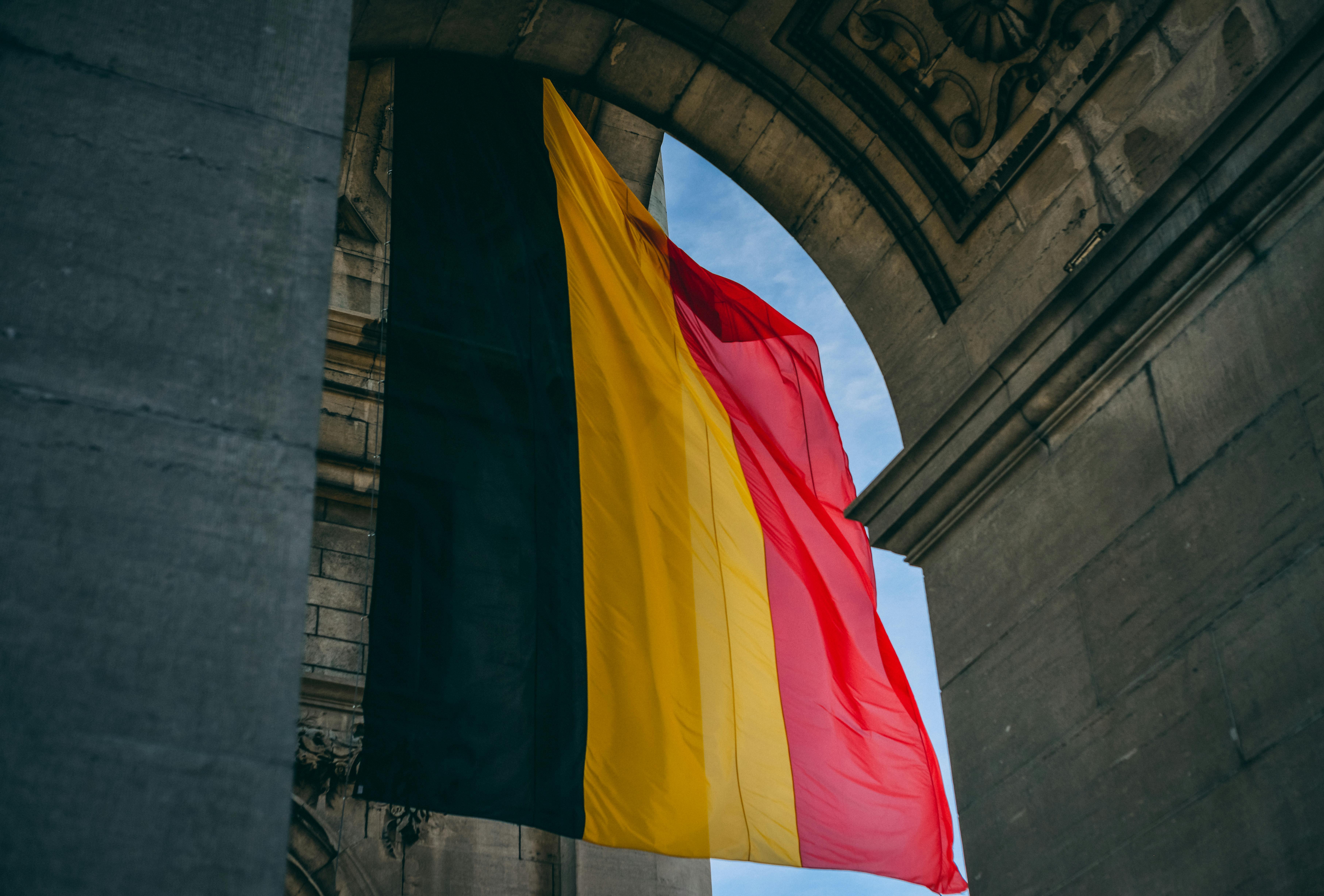
Belgium is home to a complex linguistic landscape that profoundly impacts its society, politics and daily life.
The country is divided into two main language groups: the Dutch-speaking Flemings in the northern Flanders region and the French-speaking Walloons in the southern region of Wallonia. There is also a small German-speaking community in the east and the Brussels-Capital Region is officially bilingual, where both French and Dutch are spoken. These linguistic divides led lawyer and politician Jules Destrée to write a letter to King Albert I in 1912. In it, he wrote:
“Sire, you reign over two peoples. In Belgium, there are Walloons and Flemings, there are no Belgians.” (Destrée, 1912)
National team, linguistic division
In Brussel, we spreken Frans en Vlaams, oké?
“Spreken jullie Vlaams ? In Brussel, we spreken Frans en Vlaams, oké?” (Do you speak Flemish? In Brussels, we speak French and Flemish, OK?”
“J’ai vécu mes plus belles histoires en français et en flamand. Laat mij het zeggen in het Vlaams, dank je Brussel.” (“I have had my most beautiful experiences in French and Flemish. Let me say it in Flemish, thank you Bruxelles.”)
Although they may not be the force that unites all Belgians, artists like Stromae and Angèle bring greater visibility to Belgium’s linguistic challenges, using their platform to encourage reflection on questions of identity, language and belonging.
Dire consequences
While sports teams and artists reveal the everyday social and cultural consequences of Belgium’s linguistic divide, the separation of these communities can have grave consequences. In March 2001, in the small Walloon village of Pécrot, a French-speaking signalman tried to warn his Dutch-speaking counterpart in Leuven about a train that had departed against a red signal. However, the language barrier between the two meant that the message was not understood, leading to a head-on collision in Pécrot that killed eight people and injured 12. The disaster brought to light the absence of a single operational language for railway workers or requirement for them to understand French and Dutch. In response, emergency codes were established to facilitate communication, bilingualism was imposed on trains in Brussels and conductors were required to speak the language of the region that they worked in (Duculot, 2021). A later trial established that it was not just the language barrier that caused the crash – the reception was poor in the region and there was no automatic train control system – but the case nonetheless demonstrates how such deep linguistic divisions can have fatal consequences.
Belgium’s internal borders were drawn on linguistic grounds, meaning that modern-day tensions between communities are based almost entirely in language. It is a textbook example of language creating borders, shaping regional identity and driving politics. Despite efforts to bridge the divide, the deep-rooted linguistic separation in Belgium continues to affect every facet of life.
References
Azouze, T. (2023). Les footballeurs belges chanteront bientôt une version “unifiée” en trois langues de leur hymne national. TF1. https://www.tf1info.fr/sport/belgique-football-les-diables-rouges-chanteront-bientot-une-version-unifiee-en-trois-langues-de-leur-hymne-national-2266361.html
Destrée, J. (1912). Lettre au roi sur la séparation de la Wallonie et de la Flandre. M. Weissenbruch.
Duculot, R. (2021). 20 ans après l’accident de trains de Pécrot : a-t-on tiré les leçons du drame ? RTBF. https://www.rtbf.be/article/20-ans-apres-l-accident-de-trains-de-pecrot-a-t-on-tire-les-lecons-du-drame-10728565
Grond, J. S. (2018). La langue commune des Belges, c’est l’anglais. Sports. https://www.sports.fr/football/coupe-du-monde-2018/equipe-de-france-coupe-du-monde-2018/la-langue-commune-des-belges-cest-langlais-24347.html
RTL. (2013). Stromae parle néerlandais lors de la Fête de la Fédération Wallonie-Bruxelles: “Il est là pour pousser la chansonnette, pas faire de la politique”. RTL. https://www.rtl.be/art/info/magazine/controverse/stromae-parle-neerlandais-lors-de-la-fete-de-la-federation-wallonie-bruxelles-il-est-la-pour-pousser-la-chansonnette-pas-faire-de-la-politique–385235.aspx
Touriel, A. (2023). Origines, officialisation, longueur… : huit choses que vous ne saviez pas encore sur la frontière linguistique en Belgique. RTBF. https://www.rtbf.be/article/origines-officialisation-longueur-huit-choses-que-vous-ne-saviez-pas-encore-sur-la-frontiere-linguistique-en-belgique-11280364