
Different ways patients are involved in research
Helping to develop research proposals / co-apply for grants / co-investigate
- funding decisions

As we have seen earlier, patients can contribute as partners to research in many ways throughout the research cycle.
We will now cover some of the more advanced ways that patients set priorities for research, develop research questions, and even decide on which research projects receive funding.
Priority setting partnerships (PSPs)
Priority setting partnerships are a method for bringing together researchers, clinicians, and patients to identify the top areas that need research in a specific domain. This approach is meant to ensure that the identified priorities are collaborative and meet the needs of patients. After priorities are identified, research funders often design calls for applications around those priorities.
The James Lind Alliance in the UK is known for its rigorous approach to priority setting partnerships, but other methods for collaboratively deciding on research priorities are possible.
Being a Principal Investigator (PI) or Co-PI on a project/grant
As we saw earlier, patients and patient organisations can co-produce research projects with academic researchers. This co-production requires relationship building between patients and academic researchers to develop mutual respect and a collegial approach to decision making about research.
It is becoming more common for patients to lead projects themselves, including securing research grant funding. There can be barriers to this approach, as some grant funding agencies only award grant funding to academic institutions.
Advice to funders
Patients can advise research funders about what kind of research is needed, ultimately influencing what calls for applications are launched.
For example, at the Institute of Genetics in Canada, a plan to launch a call for applications on the direct costs to the healthcare system of inherited diseases was changed based on feedback from patients. Patients saw that there was a gap in research knowledge about the indirect costs of inherited diseases, like time taken off work to attend medical appointments, purchasing medical devices for the home, and much more. The Institute of Genetics responded by launching a call for applications to answer the question of how much patients and families are spending on the indirect costs of inherited diseases. The research results can now be used by patient advocates who wish to educate and influence decision makers about these costs and gaps in the healthcare system.
Peer review
Reading grant applications for research funding, writing comments about the strengths and weaknesses of the applications, and discussing those comments with a diverse group of reviewers might not seem like a place where patients can easily see themselves contributing.
But this process – called peer review – is an important way that patients can influence decisions about what health research receives funding. Historically, peer review has been a space only for academic reviewers to assess the merits of grant applications, suggest improvements to the methods, and try to ensure that good science receives funding. However, many organisations have been involving patients, caregivers, and other community members in reviews of grant applications. This involvement is important because it acknowledges that the best science is also grounded in the needs of the public and that lived experience reviewers provide expertise that complements the expertise of academic reviewers. The funding for grants often comes from public money, whether it’s through taxes or through donations to health charities, so there is also a moral imperative to involve the people who pay for, and are affected by, the research.
As an example, consider the case of Cancer Research UK (CRUK), which has involved patients in the funding decisions made by its Clinical Research Committee (CRC) and various feeder panels since 2011.
Eight patients are listed on the CRUK website as undertaking these funding review activities, as equal decision-making partners alongside clinical and research experts.
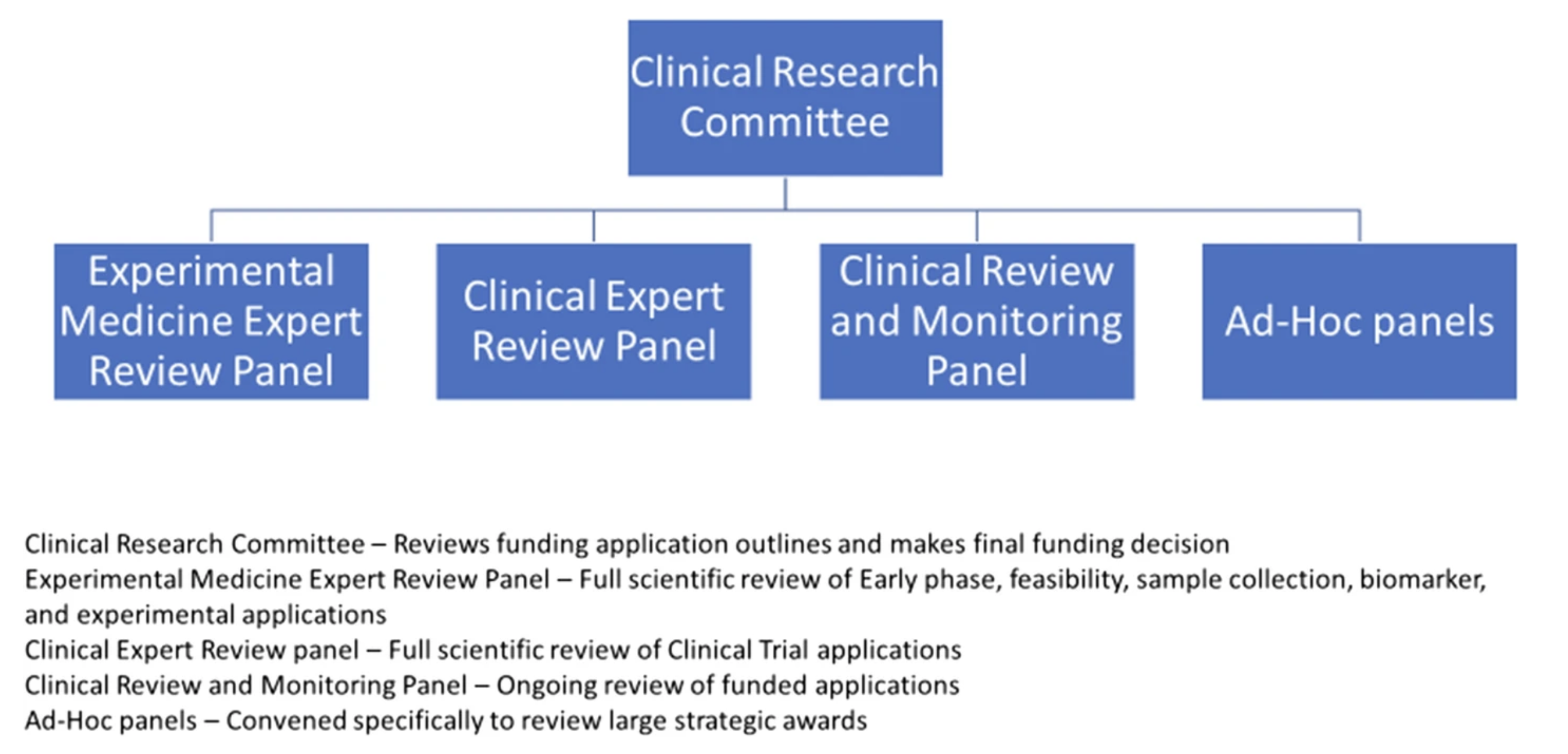
Later this week, you’ll see a case study with Isabel Jordan, who will further describe the importance of including patients and caregivers as reviewers of applications for grant funding.
Reflection
If there are opportunities for you to be involved in research in the ways listed above, what support, skills and knowledge will you need to be effective?
The Power of Patient Advocacy in Genomics: Influencing Research, Clinical Practice and Decision Making

The Power of Patient Advocacy in Genomics: Influencing Research, Clinical Practice and Decision Making





