
Understanding Intersectionality through the VPLP Framework
The VPLP Framework helps us see how education can both cause harm and support healing in conflict and crisis situations.
It also connects with the idea of intersectionality, which means that students experience school differently depending on their overlapping identities, such as language, ethnicity, gender, or disability. For example, when schools are attacked or closed (Victim), students who are already marginalised may face even more difficulties. Education can also create unfair treatment (Perpetrator) when it reinforces discrimination toward students with multiple marginalised identities. At the same time, education can strengthen students (Liberator) by valuing all parts of who they are. Finally, education can promote peace (Peacebuilder) by bringing together students from different backgrounds and helping them learn to live well with one another.
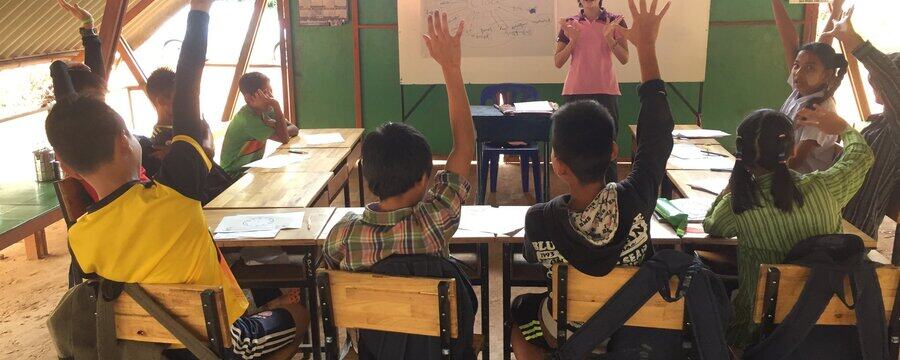
The video shows how these ideas appear in real life, using an example from a refugee camp on the Thai-Myanmar border.
Exercise
Answer each critical thinking question on the Padlet. These questions combine the ideas of VPLP and intersectionality.
Question 1: Victim & Perpetrator
In your school or classroom context, can you think of an example where education has become a Victim (for example, schools being closed or damaged by conflict) or acted as a Perpetrator (for example, a curriculum that excludes certain languages or identities)? How has this affected students with different backgrounds or identities in your community?
Question 2: Liberator & Peacebuilder
Can you think of an example where education has acted as a Liberator – empowering students by recognising and building on their different identities, or as a Peacebuilder – bringing together students from different backgrounds to foster understanding and cooperation? What made this possible, and how could it be built upon?
Over to you
What transformation do you want to see in your educational setting? What are some of the underlying root causes of this challenge? What is one concrete step you can take to support this transformation?
Transforming Learning in Conflict and Crisis Settings
Transforming Learning in Conflict and Crisis Settings


