
Understanding student identities in the classroom
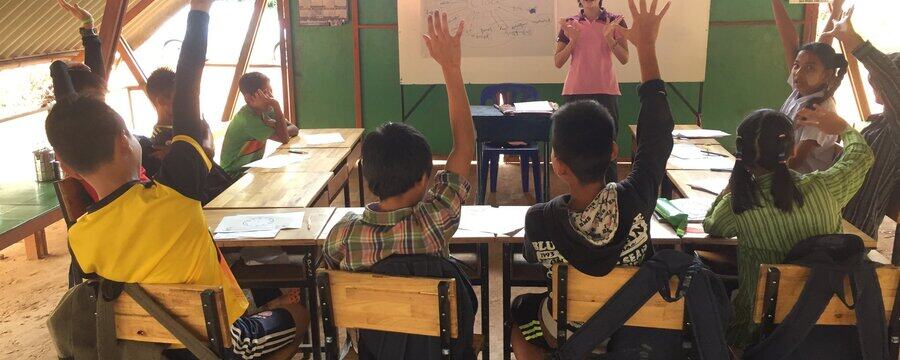
On the Thai-Myanmar border, many schools have enrolled students from diverse ethnic groups. These include Karen, Karenni, Mon, Shan, and Bamar students. Schools also have students from different religious backgrounds (e.g., Buddhist, Christian, Muslim, or animist).
Students may have different displacement experiences, for example as refugees, migrants, or internally displaced people. They come from different family circumstances. Understanding the contents of each student’s “backpack” becomes essential for creating a truly inclusive education that serves everyone’s needs and builds on everyone’s strengths.
Understanding intersectionality helps teachers see the whole student rather than focusing on single characteristics. It encourages more inclusive teaching practices that acknowledge the rich complexity of students’ lived experiences. When we recognize what is in each student’s “backpack”, we can be more sensitive towards students’ feelings. We can better understand their social and emotional experiences at school.
In this step, we are going to focus on one aspect of identity from our “backpack”, which is gender. We will reflect on the impact of gender on learners’ lives and their education. The video shows Nobel Peace Prize laureate Malala Yousafzai reflecting on a moment that changed her life – when the Taliban banned girls from attending school in her region of Pakistan in 2009. In the video, she discusses why education is so important for girls’ and women’s empowerment, and she explains the critical role that boys and men must play in advancing gender equality.
Malala’s story demonstrates how gender intersects with other aspects of identity. This includes her Pakistani heritage, her age, her family’s values, and her geographical location under Taliban control.
Exercise – Reflect on gender dynamics in your own educational setting
Think about your classroom, school, or wider community. In a notebook or on your device, complete the following questions about how gender affects relationships, opportunities and power.
- Identify patterns: What role does gender play in your context? (For example, schools on the Thai-Myanmar border tend to have mostly female teachers. However, when it comes to decision-making roles, school leaders are usually male.)
- Recognise challenges: What aspects of these gender dynamics are problematic or limiting for students and educators? Consider how gender expectations might affect:
- Student participation and confidence
- Subject choices and career aspirations
- Leadership opportunities
- Relationships between students, and between teachers and students
- Envision change: What needs to change? At what level could this change happen?
- In your classroom practice?
- In whole-school policies or culture?
- In community attitudes?
Over to you
Take action: Identify ONE concrete thing you could do to open up reflection or debate about gender dynamics in your setting. How might you help students -particularly boys – to rethink concepts of gender roles and value equality?
Video copyright
Transforming Learning in Conflict and Crisis Settings

Transforming Learning in Conflict and Crisis Settings


