A quick reminder before starting this activity – you do not need to do the steps in this activity to finish this course. It will not be assessed. This part …
What you can do next Free Digital Certificate of Achievement This is a Sponsored course, which means that learners can obtain a free Certificate once they become eligible. To be …
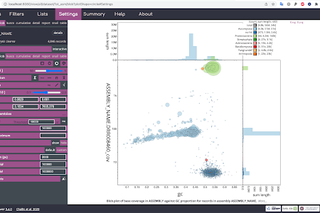
The process outlined in the previous step improves the plot a lot, but it also removes some very high coverage and low coverage contigs labelled Ascomycota (circled in yellow in …
First Slimane identified the three main blobs on the plot. The central blob is light blue – and the legend says the contigs in this blob have blast hits to …
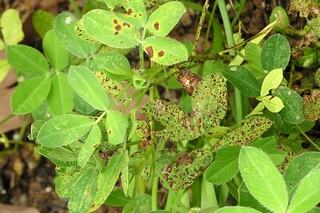
Slimane is assembling the genome of the fungus Botrytis cinerea which usually infects a wide range of plant hosts such as legumes, wine grapes and other fruits. He first made …
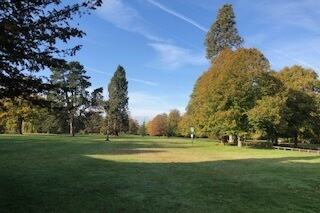
Before we dive deep into Slimane’s fungal example, we need to understand why there might be different kinds of organisms in our sample, and how that affects the BTK plot. …
In week 2, you saw how the BlobToolKit viewer interface works. There are many powerful features and views that allow us to explore the contents of a genome assembly and …
In the next steps, we are going to ask you to submit your analysis of the Corchorus olitorius genome assembly as an assignment. This will allow you to receive feedback …
Peer review activity is an opportunity for you to share your analysis in BlobToolKit with your peers within the learning community on this course and use their feedback to develop …
Guidance on giving and receiving feedback You will be in a position to review others’ work providing them with feedback, and to receive the feedback from other learners. What does …
This week, you’ve learned about BlobToolKit and how important it is for analysing genome assemblies. You have looked at the web viewer and learned how to find your organism of …
Now you understand how the BTK viewer displays data, you should be able to give a detailed answer to the questions from step 1.12 about Didymella arachidicola: What is the …
Let’s look at the parts of a blob plot We’ll continue to use the Didymella arachidicola example. 1. Each point is a sequence in the genome Each circle is a …
Let’s look at the BlobToolKit Viewer When you first reach the BlobToolKit (BTK) website, you see a few menu items on top: About, Install, Viewer, Blobtools2, Pipeline, Specification, and bioRxiv. …