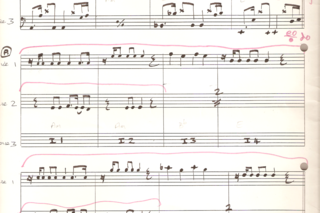
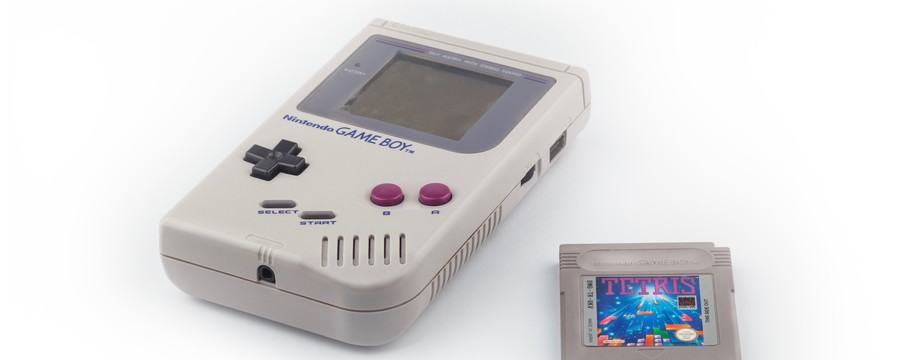
In this video, we’ll summarise what we’ve learned in the first week, and look forward to what we’ll be exploring in next week’s activities. Please note that my book, Bits …
Before we begin to explore the history and development of video game music, it’s worth taking a moment or two to think about what makes game music different from other …
Welcome to my new short course, A Bit-by-Bit History of Video Game Music. Over the next two weeks, we’ll explore the music of video games and the hardware platforms that …
The Commodore 64 was really the first 8-bit machine that had a sound chip that was sophisticated enough to allow composers to create cover versions of popular music. Jean Michel …
In the previous video step, we heard Rob Hubbard describe how his workflow adapted to suit writing music in code on the Commodore 64. He described how programming and the …
The SID chip was complex, and Commodore’s implementation of BASIC made it very difficult for new users to work with it. Even seasoned developers needed time to explore all of …
Professor James Newman is an academic at Bath Spa University, and spends his days teaching and research creative computing. James is particularly interested in the Commodore 64, and in this …
Commodore’s C64 was a musical powerhouse. Its Sound Interface Device – the famous SID chip – gave it the functions of a three-channel digital synthesiser. In this video, we’ll look …
Although the ZX Spectrum’s beeper was rudimentary, it wasn’t long before developers managed to work out inventive ways to use it. In this video, we’ll look at the development of …
The ZX Spectrum, even for its time was a simple machine, and yet it almost single-handedly kick-started the UK games industry. In this video, we’ll look at the launch of …
Over its lifetime, a number of games, both good and bad, were released for the Atari VCS. In this video, we’ll review a few of those that I think are …
The Atari VCS was the machine that domesticated video games and established Atari as the dominant player in the gaming industry… at least for a time. In this video, we’ll …