Antibiotic prophylaxis is defined as the preventative administration of antibiotics to avoid/prevent infections in certain situations. One common use of prophylaxis therapy is in the prevention of infection prior to …
In the video above, Yasir Sacranie summarises the topics covered throughout this week. Aminoglycosides are a class of antibiotics used to treat severe infections, particularly those caused by Gram-negative aerobic …
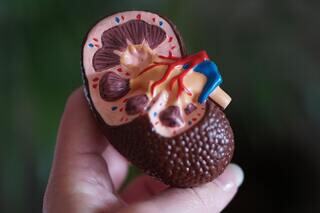
Aminoglycosides, like all other antibiotics, have possible adverse effects that require careful monitoring. We provided a brief overview of the main ones earlier this week. Nephrotoxicity One such adverse effect …
Monotherapy refers to the use of a single agent to treat an infection or disease, whereas combination therapy describes the use of multiple drugs simultaneously. Antibiotic combination therapy will typically …
Empirical antimicrobial therapy describes the early use of broad-spectrum antimicrobials (i.e. those targeting a large variety of microbes) for infections caused by unidentified pathogen(s). Aminoglycoside antibiotics are used in empirical …
Pharmacodynamics (PD) describes the relationship between the concentration of the drug in the body and the effect seen; it is sometimes described as what a drug does in the body …
We will now work through an example to show you how TDM can be used to optimise doses. Please note that this case may not necessarily reflect actual clinical practices; …
The video shown above is taken from an interview with clinical pharmacists Sajjad Kanani and Ruth King. As you have learned this week already, TDM is a crucial tool for …
As you have learned, a once-daily dose of aminoglycosides is often used due to their concentration-dependent action and the PAE. In addition, some studies suggest that this dosing approach is …
In the previous step, you learned about ototoxicity – inner ear damage which can be induced by aminoglycosides – and how some patients are genetically predisposed to aminoglycoside-induced hearing loss. …
In this video, educator Sally Tipping poses the question, ‘Is the PK/PD of all aminoglycosides the same?’ and discusses the absorption, distribution, and elimination of aminoglycosides. While they all exhibit …