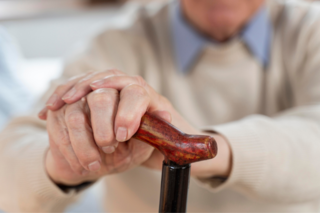
Older age (65 years and older) In the later stages of life, body mass falls and the proportion of body fat increases, resulting in an overall reduction in body water …
Neonates (0-28 days) Due to the rapid escalation in neonatal renal function, the dosing strategy for aminoglycosides also needs careful consideration. When using gentamicin in the first seven days of …
Welcome to the final week of this course on aminoglycoside antibiotics. So far in this course, we have learned about the different aminoglycosides, their clinical uses and general pharmacokinetic properties …
Congratulations on reaching the end of Week 2! We hope you have found the course enjoyable and informative so far. You should now have gained an understanding of: The pharmacokinetics …
In this step, we will explore some of the issues and challenges encountered when interpreting aminoglycoside TDM results. How do you think some of these problems could be avoided? Let …
The target levels that are being aimed for can vary between different healthcare providers. In a previous step, we provided a table of recommendations given by the Bristol Reference Laboratory …
For many drug therapies, including aminoglycosides, the individual pharmacodynamic effect is not readily measurable. Aminoglycosides have a large inter-individual variation which may translate into differing drug concentrations in the body …
In this step, we will begin to explore the role of therapeutic drug monitoring (TDM) when treating with aminoglycosides. What is TDM? TDM measures the concentration of certain medicines in …
In this step, we will discuss dosing of aminoglycosides in treatment of sepsis. Sepsis, which can be life-threatening, is not an infection type in itself but is defined as the …
We will now discuss how initial doses of aminoglycosides can be calculated, including adjustments for kidney function and body weight. Step One: Calculate creatinine clearance (CrCl) As you learned previously …
Traditionally aminoglycoside antibiotics have been administered as multiple daily dose regimens (2-3 divided doses over 24 hours) due to their relatively short half-life, as illustrated in step 2.4. Think back …
In order to be confident of effective treatment with aminoglycosides, reference groups, such as the European Committee on Antimicrobial Susceptibility Testing (EUCAST), define and regularly review the concentration of antimicrobial …
In this step, we will provide a general introduction to pharmacokinetics (PK), explaining the terminology and its importance. Pharmacokinetics is the study of what the body does to a drug …
Welcome to the second week of this course on aminoglycosides. Last week, we discussed aminoglycosides and the types of antibiotics within this class. We also explored the bacteria they target …
There are differences between the available formulations and the use of antibiotics belonging to the aminoglycosides group. In this step, you will learn more about the different aminoglycosides that are …