Skip main navigation

Clinical strategies: renal dialysis

Dr Ryan Hamilton discusses the changes that are made to aminoglycoside dosing in patients with advanced renal failure who are receiving haemodialysis. In renal failure, the clearance half-life of aminoglycosides …


Clinical strategies: general renal impairment

Aminoglycosides are almost completely cleared through the kidneys via glomerular filtration and we can use measures of this, such as creatinine clearance (CrCl), to predict clearance and adjust dosing where …

End of week 3

You have reached the end of Week 3. By now you should be able to apply the pharmacokinetic principles of aminoglycosides and discuss what needs to be considered when giving …

Physiology and PK differences with age

It has long been recognised in medicine that neonates and children cannot simply be considered small adults. Increasing evidence also suggests that older and frail patients should be considered pharmacokinetically …

Bacteria they are effective against

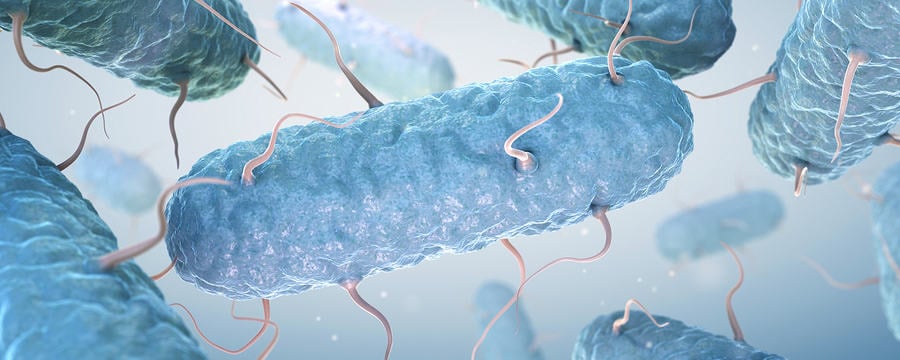
Aminoglycosides are active against various Gram-positive and Gram-negative organisms. They are particularly potent against members of the Enterobacteriaceae family, including: Escherichia coli Klebsiella pneumoniae and K. oxytoca Enterobacter cloacae and …

Mechanism of Action

Aminoglycosides are bactericidal. They are taken up into bacterial cells by an energy-dependent mechanism which results in very high intracellular levels. They bind to the bacterial ribosome causing a change …

Introduction to Aminoglycosides

The commonly prescribed antibiotics in the aminoglycoside group include: Gentamicin Amikacin Tobramycin Neomycin These aminoglycosides are not absorbed from the gut (although there is a risk of absorption in inflammatory …

End of Course

Congratulations on completing this course on aminoglycosides! In the audio clip below, our lead educator Dr Naomi Fleming looks back at the past three weeks. Click here A transcript file …

Resistance mechanisms

There are several ways for microorganisms to become resistant to antimicrobial agents, including antibiotics, and these can be considered intrinsic, adaptive, or acquired. This step will explore the ways that, …

Other situations affecting PK

Other clinical situations may result in changes to aminoglycoside pharmacokinetics (PK), warranting special care when managing these patients and potentially requiring dosage changes. In this section of the course, we …

Physiological changes in pregnancy

Many physiological changes during pregnancy can affect the pharmacokinetics/pharmacodynamics (PK/PD) of aminoglycosides. In this step, we provide an overview of the main changes and explain their impact on aminoglycosides. The …

Clinical strategies: Overweight

In this step, you will learn about the clinical strategy for using aminoglycosides in patients who are overweight. As you learned in Week 2 and recapped in the previous step, …

Clinical strategies: Underweight

Patients who are underweight or overweight are at risk of receiving incorrect doses of aminoglycosides. The reasons for this are different, depending on if the patient is underweight or overweight. …