How do we treat Candidaemia?
The medical team decide to treat this patient with empirical antifungal therapy. They suspect he may have developed candidaemia during his ICU admission. His background of type 2 diabetes, indwelling central catheter and broad-spectrum antibiotics have increased his risk.
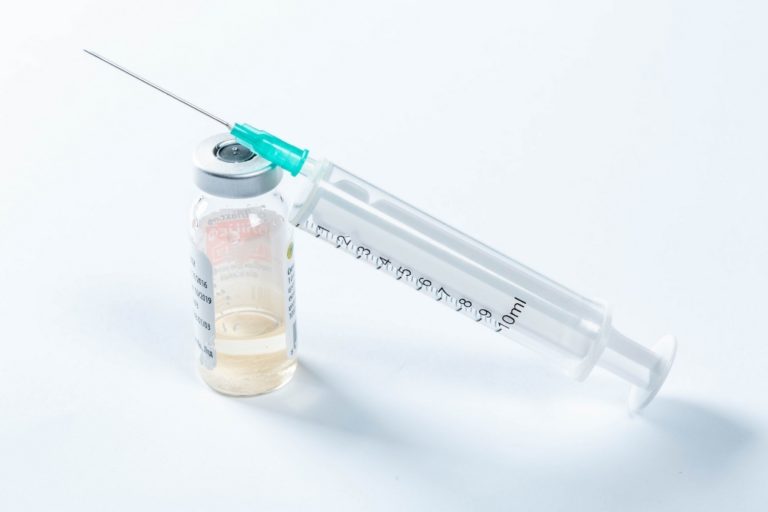
Blood cultures are taken from the central venous catheter. They are also taken peripherally, with 60ml of blood aspirated in total.
Sputum and urine cultures are also sent.
β-1-3-D-glucan is sent to the laboratory on advice of the Infectious Diseases team.
The team then start an empirical antifungal intravenously for suspected candidaemia.
Just as in the treatment of bacterial sepsis, there are antifungal stewardship factors to consider:
- Ideally, any diagnostic tests should be sent before antifungal treatment is started
- Source control is important – if a central venous catheter (or other line) is implicated in the infection, it should be removed as early as possible, if possible
- Like any antibiotic prescription, antifungal treatment should be regularly reviewed against microbiology results and patient improvement for its effectiveness and continued indication
Guidelines exist on the treatment of candidaemia and other forms of invasive candidosis:
-
The Infectious Diseases Society of America published guidance in 2016
-
The European Society of Clinical Microbiology and Infectious Disease (ESCMID) published guidance in 2012
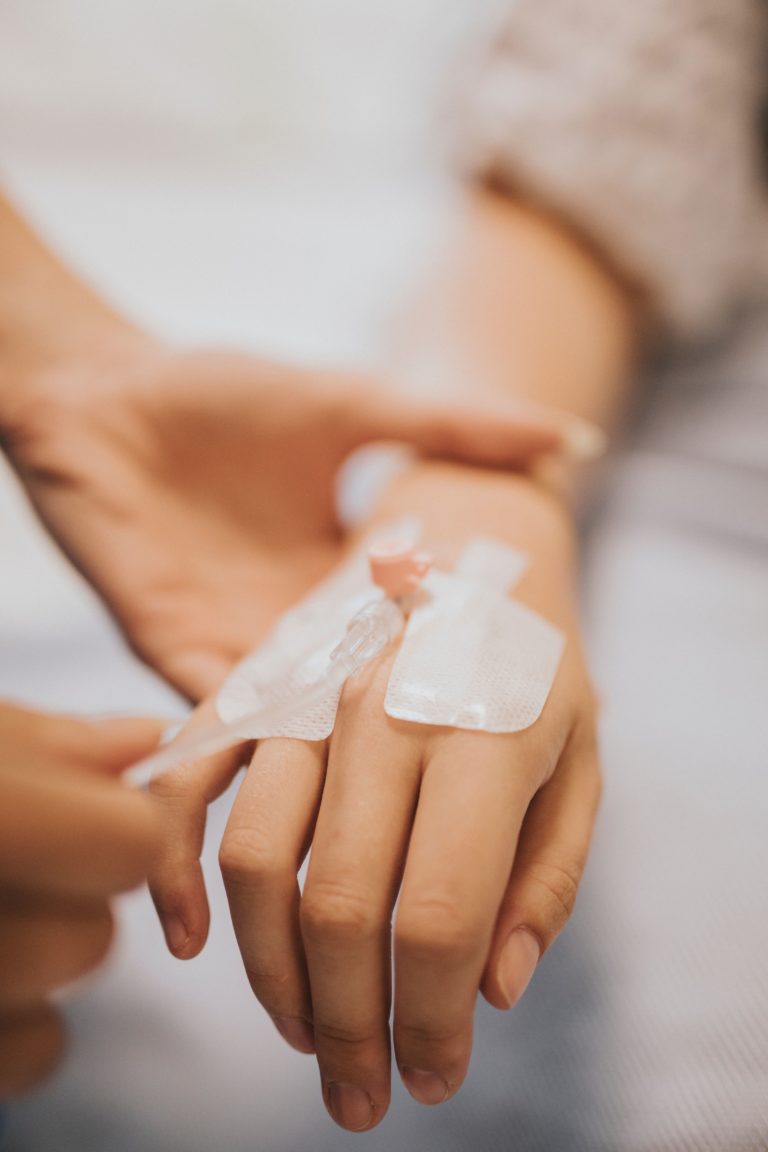
Both guidelines recommend an intravenous echinocandin as the first line treatment option. This newer group of drugs has supplanted intravenous fluconazole as the drug of choice for a number of reasons:
- Echinocandins have good activity against the majority of Candida species and resistance is rare
- Echinocandins have better patient outcomes than alternative drugs with similar microbiological efficacy
- They are generally safe and well tolerated
- Drug-drug interactions are rare
- They have activity against biofilms
- Echinocandins currently available: caspofungin, micafungin and anidulafungin
Intravenous fluconazole remains an acceptable alternative. However:
- Consider whether the patient has a risk of azole-resistant Candida (previous antifungal treatment, colonised with resistant species)
- All clinically relevant Candida isolates should have their azole susceptibility tested
- Fluconazole does not have activity against biofilms and should not be used if biofilm infection is possible (indwelling medical devices)
Our patient is started on 100mg once daily of intravenous Micafungin. We will revisit this gentleman later in the course…