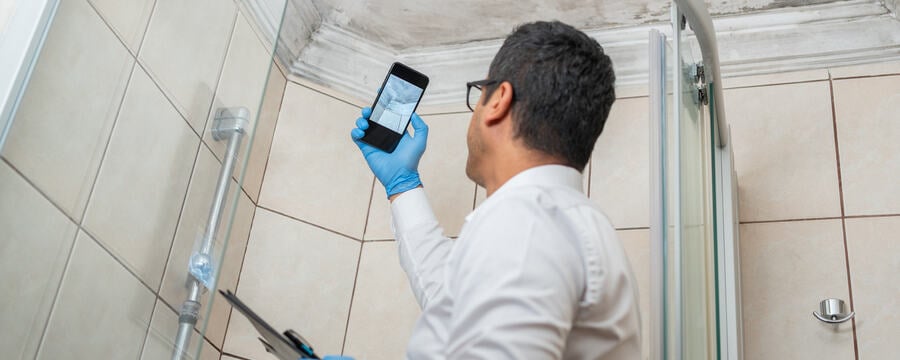
This video explores the often-overlooked positive aspects of mould, despite its reputation for causing issues in homes. Mould plays a crucial role in breaking down organic matter, which supports soil …
Understanding moisture transfer mechanisms can feel abstract when described in text. The following animation brings these processes to life, showing how vapour, air movement, liquid water, and heat interact within …
This week we examine a case study showing how Peabody tackled widespread condensation, damp, and mould (CDM) across the Thamesmead estate in southeast London. Although this case study focuses on …
Achieving a healthy home requires maintaining a balanced level of moisture, which involves avoiding both excessive dryness and humidity within the building. In this video, we discuss the idea of …
The tragic death of Awaab Ishak in 2020, caused by prolonged exposure to mould in his home, has spotlighted the severe health risks associated with damp and mould in housing. …
Understanding the role of moisture is crucial. But what exactly do we mean when we say water is a critical factor in mould and building defects? Mould can grow on …
As with water (relative humidity and water activity), understanding the thermal properties of a building’s external walls is essential for maintaining a healthy indoor environment. A thermal bridge (or cold …
All buildings have a dynamic (ever-changing) equilibrium between the moisture in the internal air, the moisture content of the materials and the moisture in the external air. When internal conditions …
As we have seen, mould growth indoors not only damages materials but can also affect the health of occupants. A growing body of research links exposure to mould-contaminated environments with …
Moisture is naturally present in the air and in most materials in the home. However, excess moisture affecting indoors can be generated during construction and occupation as you can see …
These articles are from the online course:
Moisture-Safe Homes: Understanding and Managing Condensation, Damp, and Mould